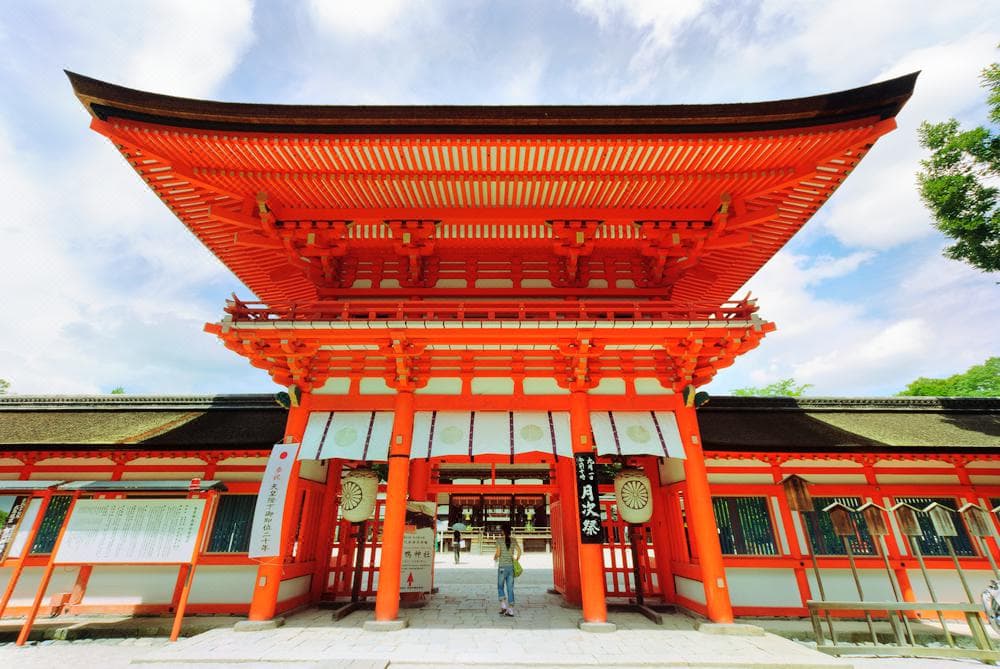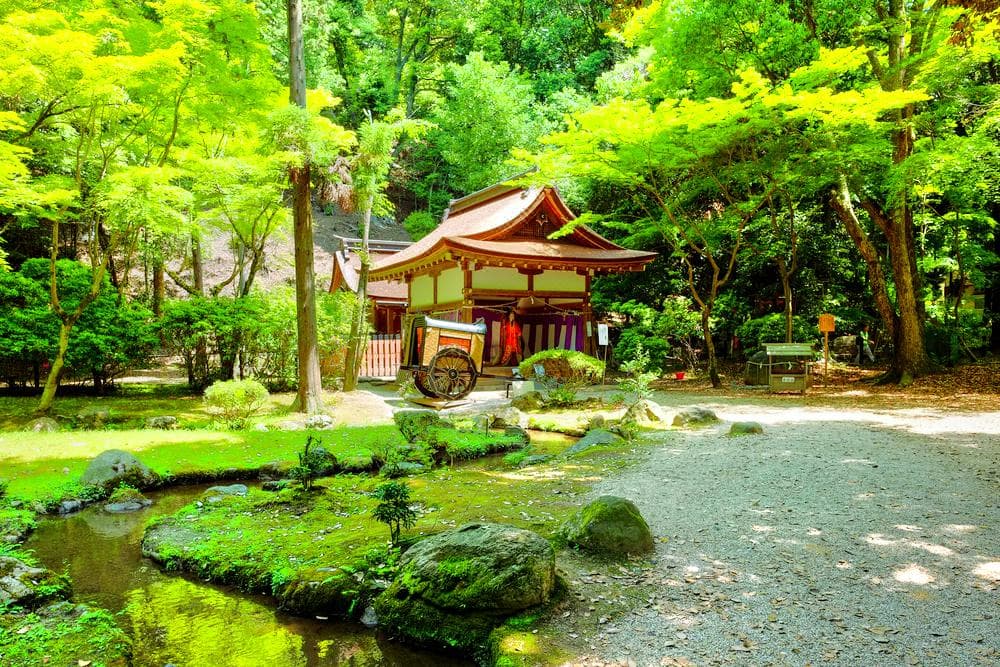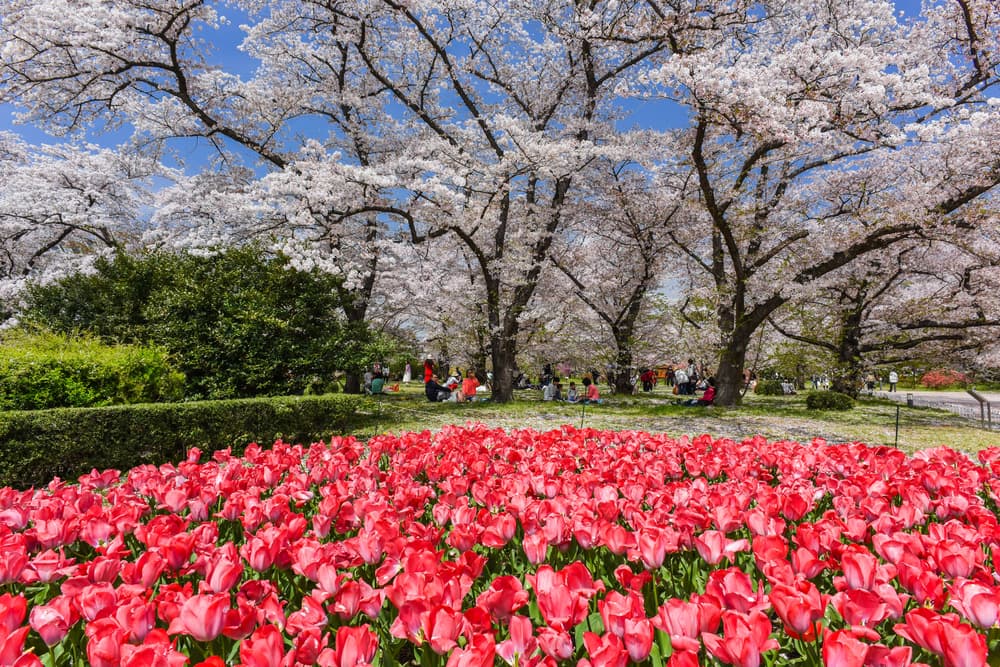
The Kyoto Botanical Gardens, established in 1924, hold the distinction of being Japan's oldest public botanical garden. Spanning nearly 60 acres, it houses an impressive collection of over 12,000 plant species, including 500 cherry trees, 180 varieties of hydrangeas, and a significant rose garden. It serves as a vital green lung for Kyoto, offering both scientific study and a peaceful retreat for locals and tourists alike.
Visitors consistently praise the garden for its serene atmosphere and the opportunity to escape the typical tourist crowds. Many highlight the beauty of the seasonal blooms, with cherry blossoms in spring, roses in early summer, and vibrant autumn leaves being particular favorites. The large conservatory, often described as a highlight, offers a tropical escape with exotic plants and orchids, even during colder months. Reviewers frequently mention the excellent value for money, given the modest entry fee, and appreciate the well-maintained grounds and diverse themed sections, from Japanese gardens to bonsai collections.
To make the most of your visit, plan to spend at least 2-3 hours, or even longer if you wish to explore thoroughly or enjoy a picnic. Many visitors recommend bringing a hat and sunblock on warm days, as some areas have limited shade. For those sensitive to pollen, antihistamines are advisable during peak blooming seasons. Consider packing a picnic to enjoy amidst the greenery, as there are many pleasant spots, though a small cafe is also available. While the garden is enjoyable year-round, the best times to visit are during spring for cherry blossoms, early summer for roses and hydrangeas, and autumn for the spectacular fall foliage. Visiting on a weekday morning often ensures a more peaceful experience with fewer crowds.
The Kyoto Botanical Gardens are easily accessible by public transport. The most convenient way is to take the Karasuma subway line (green line) to Kitayama Station (K03). Exit 3 of Kitayama Station leads directly to the garden entrance. Alternatively, you can take a bus; the Kyoto World Heritage Loop Bus (K' loop) has a dedicated 'Kamo-gawa River and Botanical Garden Bus Stop' which is also very close. For those driving, parking lots are available. Many visitors also enjoy walking along the Kamo River to reach the gardens, noting the beautiful scenery along the way.
A common point raised by some visitors is the limited English signage, particularly for plant descriptions and at the cafe. While an English guide map is available, those who don't speak Japanese might find it helpful to bring their own food or use translation apps for cafe menus. Some also note that certain areas can feel a bit sparse outside of peak blooming seasons, or that the garden isn't as 'manicured' as some traditional Japanese gardens, but this contributes to its natural, relaxed charm. The conservatory requires an additional fee, which some visitors initially find surprising, but most agree it is well worth the extra cost.