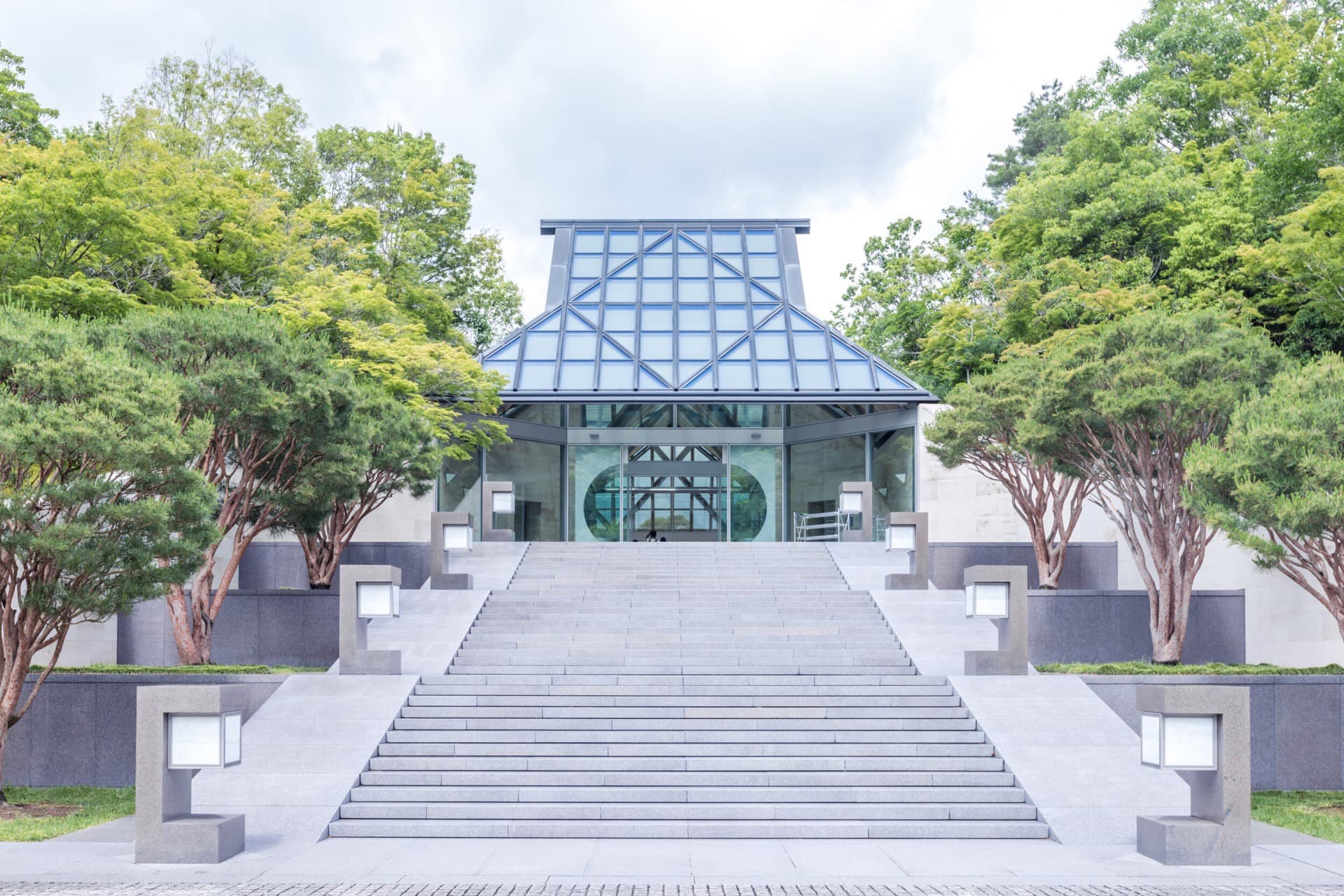
The Miho Museum, designed by the acclaimed architect I.M. Pei (known for the Louvre Pyramid), is a unique cultural institution located in the mountains of Shigaraki, Shiga Prefecture. Its design concept, inspired by the Chinese fable 'Peach Blossom Spring,' aims to create a harmonious blend of architecture and nature. Approximately 80% of the museum is built underground to preserve the natural landscape, making it a significant example of sustainable and integrated design.
Visitors consistently praise the museum's stunning architecture and its integration with the surrounding environment. Many describe the journey through the silver-lined tunnel and over the suspension bridge as an experience in itself, building anticipation for the museum. The collections, though not extensive, are highly regarded for their quality and diversity, featuring ancient artifacts from various cultures including Egypt, Greece, Rome, Mesopotamia, and Asia. Reviewers often highlight the peaceful and tranquil atmosphere, making it a perfect escape from urban life. The on-site vegetarian restaurant and cafe also receive positive mentions for their quality food.
To make the most of your visit, plan for a half to full day. Many suggest walking the 500 meters from the reception building to the museum entrance through the tunnel to fully appreciate the design, though a shuttle bus is available. Consider visiting during cherry blossom season (late spring) or autumn for spectacular natural scenery. Reviewers recommend checking the museum's official website for opening hours and bus schedules, as they can be irregular and the museum is not open year-round. Bringing cash for the bus fare from Ishiyama Station is advisable, as it is often cash-only.
Getting to the Miho Museum requires some planning due to its remote location. The most common route from Kyoto involves taking a JR train (Biwako Line towards Maibara or Naga) from Kyoto Station to Ishiyama Station. From Ishiyama Station, take bus number 150 directly to the Miho Museum. The bus journey takes approximately one hour and costs around 840 JPY one way. Reviewers advise checking the bus schedule in advance as buses run roughly once an hour and can get crowded. Some visitors opt for private cars or taxis from Ishiyama Station, though taxis can be expensive (over 7000 JPY). The museum's website provides detailed transportation information.
A common complaint is the museum's remote location and the time it takes to reach. However, most visitors agree that the effort is well worth it. Another point raised by some is the relatively small size of the art collection compared to the grandeur of the architecture. To mitigate this, focus on appreciating the architectural marvel and the natural setting, and consider the exhibits as a curated selection rather than an exhaustive collection. Some reviewers also noted that the bus from Ishiyama can be very crowded; arriving early or planning your trip during off-peak hours might help.