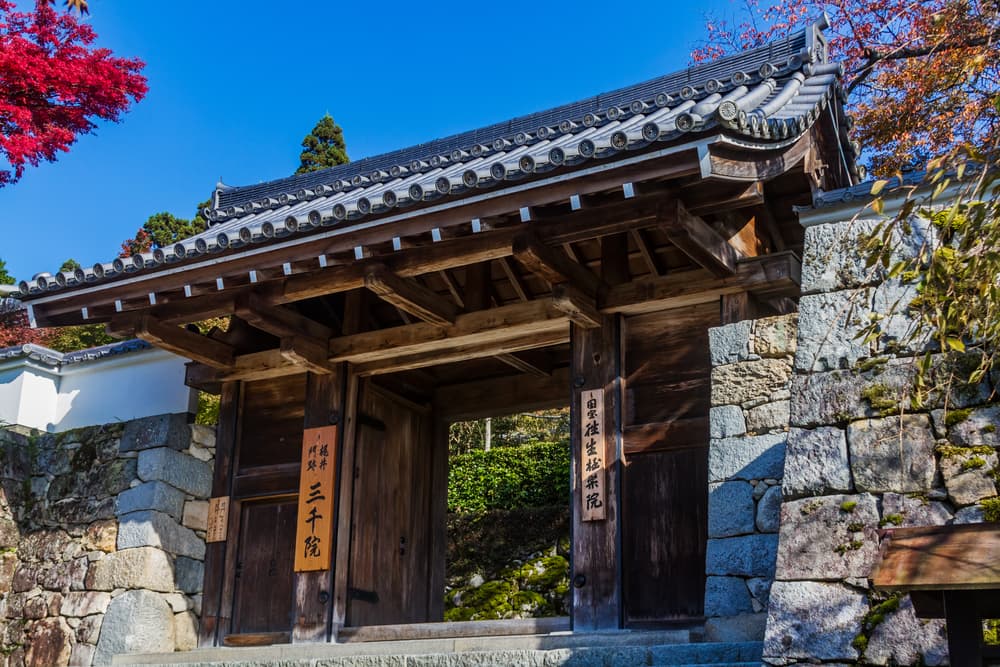
Sanzen-in Temple, a significant Tendai sect temple founded in 1118, is renowned for its profound historical roots and exceptional natural beauty. Located in the serene Ohara district, it serves as a spiritual sanctuary and a prime example of traditional Japanese garden design, particularly its famous moss gardens and the charming Warabe Jizo statues.
Visitors consistently laud Sanzen-in for its tranquil and peaceful ambiance, often describing it as a 'paradise for the soul' and a 'hidden gem' away from the city's crowds. The meticulously maintained gardens, especially the moss garden and the Yusei-en, are frequently highlighted as breathtaking, with many reviewers noting their beauty across all four seasons—from vibrant hydrangeas in summer to striking autumn foliage and serene winter snowscapes. The adorable Jizo statues scattered throughout the moss are a particular favorite for photography. Many appreciate the opportunity to sit quietly, enjoy the views, and even partake in a traditional tea ceremony, which adds to the contemplative experience.
To make the most of your visit, allocate at least 2-3 hours to explore the extensive grounds thoroughly. Reviewers suggest wearing comfortable shoes, as there is a fair amount of walking, including an uphill path to the temple entrance. Visiting early in the morning or later in the afternoon, especially closer to closing time, is recommended to avoid larger crowds and experience a more serene atmosphere. While the temple is beautiful year-round, autumn (for fall foliage) and June (for hydrangeas) are frequently cited as particularly stunning times to visit. Consider bringing a camera to capture the picturesque scenery, and some small change for the tea ceremony if you wish to participate.
Sanzen-in is located in Ohara, a rural area about an hour's bus ride from central Kyoto. The most common way to get there is by bus. From Kyoto Station, take Kyoto Bus No. 17 (ensure it's the correct route to Ohara, as there are multiple No. 17 buses) to the Ohara bus stop. The journey takes approximately 60-70 minutes and costs around 600-700 yen. From the Ohara bus stop, it's about a 15-20 minute uphill walk to the temple entrance, passing charming shops and restaurants along the way. Some visitors also mention taking a taxi from northern Kyoto (e.g., Kokusai Kaikan station) for a quicker, though more expensive, option. If driving, private parking lots are available near the temple for 300-500 yen.
A common complaint is the distance and time required to reach Sanzen-in, with some finding the bus journey long. To mitigate this, consider combining your visit with other attractions in the Ohara area, such as Hosen-in Temple, to make the trip more worthwhile. Also, be aware that the regular Kyoto day pass may not cover the bus fare to Ohara, so be prepared to pay extra. During peak seasons, the bus can be crowded, so arriving at the bus stop early or considering a taxi for part of the journey might enhance comfort.