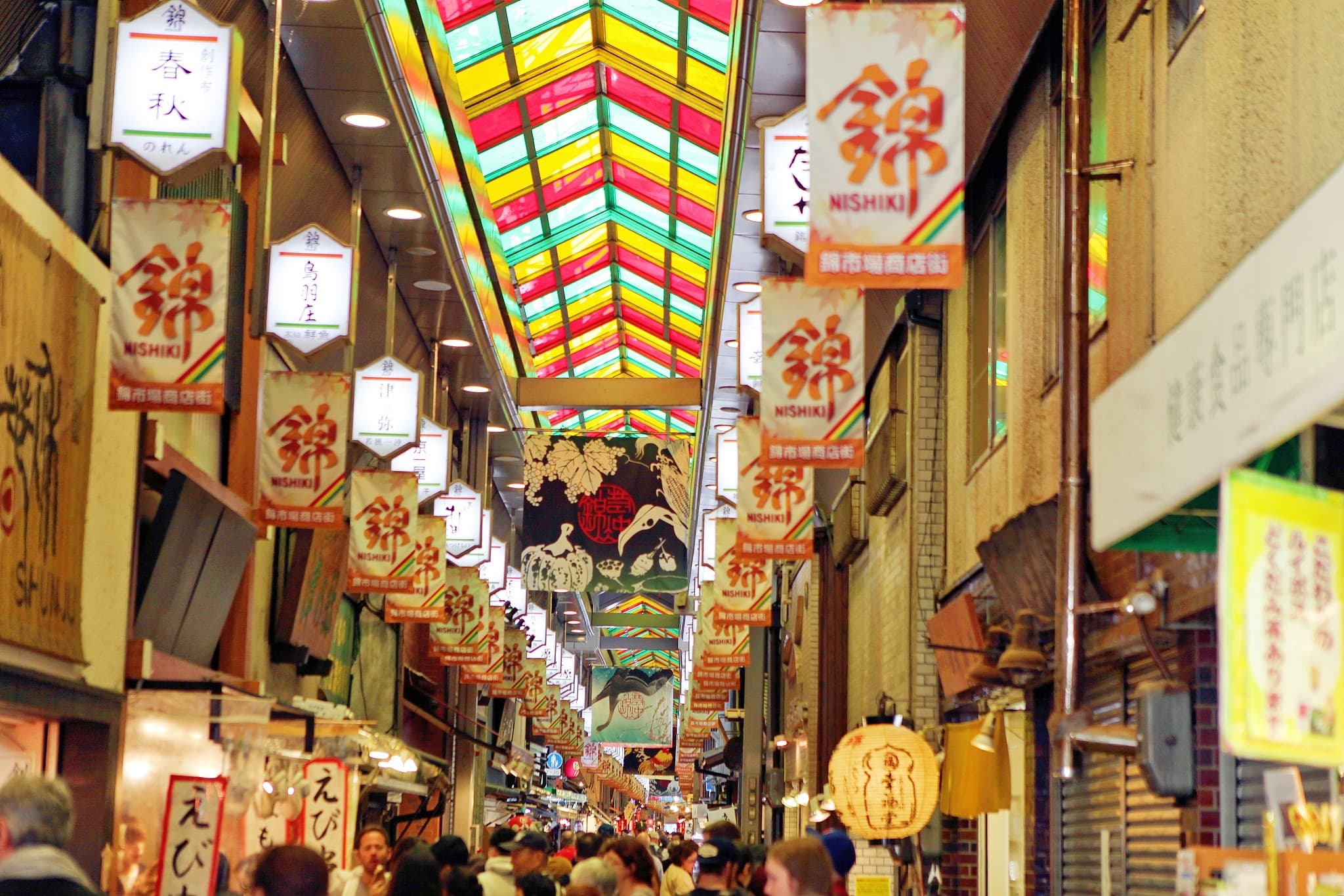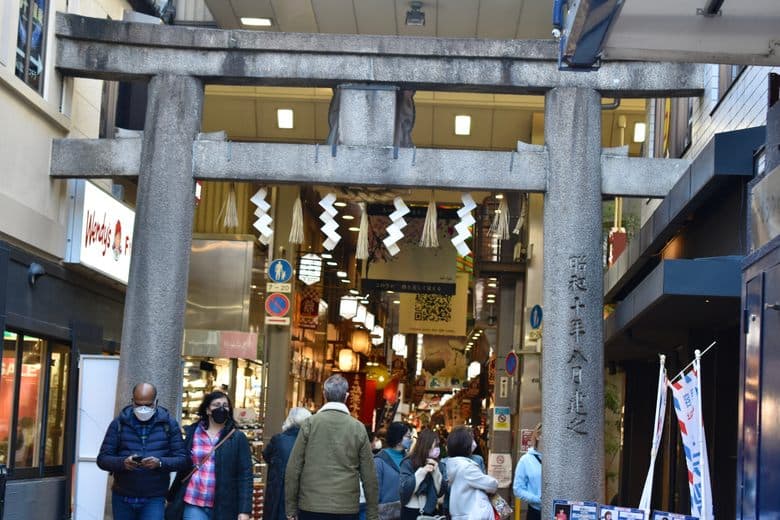
Nishiki Tenmangū Shrine, founded in 1003, is a significant Shinto shrine dedicated to Sugawara no Michizane, the deity of academia. Its historical importance is intertwined with its relocation in the 16th century to the eastern edge of Kyoto's famous Nishiki Market, making it a spiritual anchor amidst the city's culinary heart. The shrine is particularly notable for its distinctive torii gate, which, due to urban development, has its upper edges integrated directly into the surrounding buildings, creating a peculiar architectural sight.
Visitors consistently praise the shrine's lively atmosphere and its unexpected modern touches. Many reviewers highlight the fortune-telling robot lions as a fun and memorable experience, often citing the option to receive fortunes in English as a convenient feature. The kamishibai robot, which narrates the shrine's history, also receives positive mentions for its engaging presentation. The blend of ancient tradition with these quirky, interactive elements makes the shrine feel accessible and entertaining, even for those less familiar with Shinto practices. Reviewers often describe it as a "hidden gem" or a "must-see" for its unique charm.
To make the most of your visit, allocate about 30-60 minutes, especially if you plan to engage with the robot attractions. The shrine is best visited during daylight hours, as its charm is enhanced by natural light and the market's activity. While there's no specific dress code, respectful attire is always appreciated. Don't forget to look up when approaching the torii gate to fully appreciate its unusual integration with the buildings. Bringing some small change (coins) is advisable if you wish to try the fortune-telling robots.
Nishiki Tenmangū Shrine is conveniently located at the eastern end of Nishiki Market. The nearest subway station is Shijo Station (Karasuma Line) or Kawaramachi Station (Hankyu Kyoto Line), both within a 5-10 minute walk. Many bus lines also stop near the market. Given its central location and proximity to public transport, walking is the most common and recommended way to reach the shrine after exploring the market or nearby shopping streets. Parking is generally not available directly at the shrine, and driving is not recommended due to the pedestrian-heavy nature of the area.
While generally well-regarded, some visitors note that the shrine can get very crowded, especially during peak tourist seasons or market hours. To mitigate this, consider visiting earlier in the morning or later in the afternoon. A few reviewers also mention that the shrine's small size might be a surprise if expecting a grand complex; however, its compact nature is part of its intimate appeal. The embedded torii gate, while fascinating, can be easily missed if not specifically looked for, so pay close attention to the upper floors of the buildings as you approach.