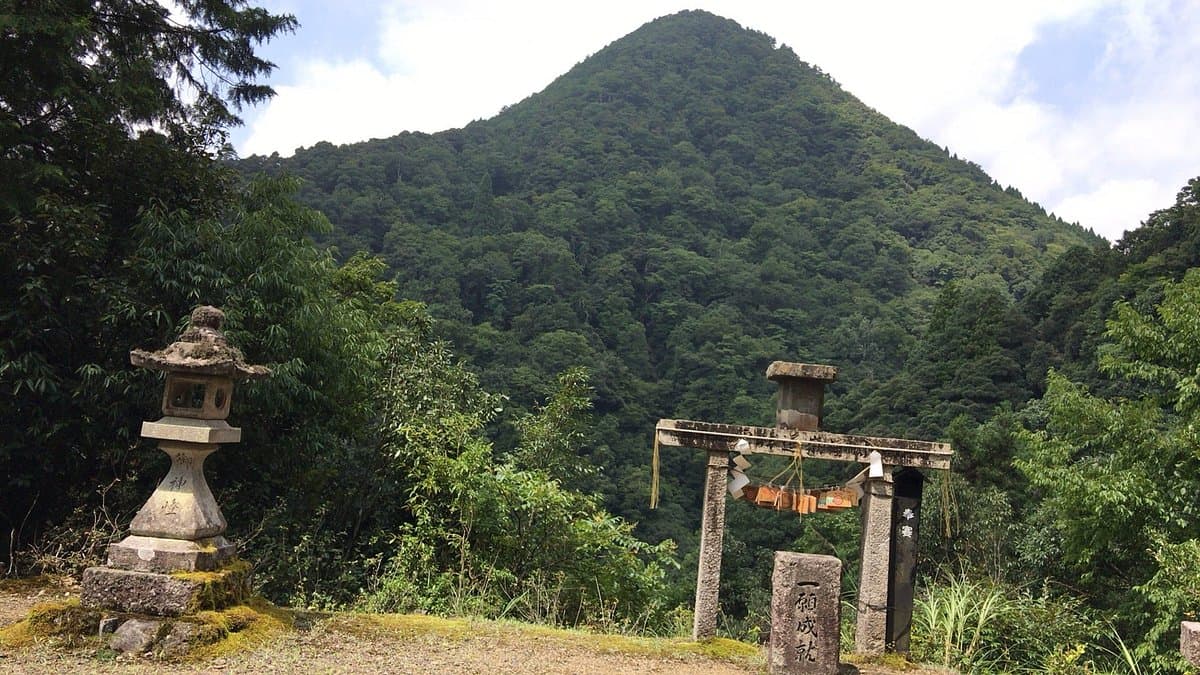
Moto Isenaigu Kotai Shrine is revered as one of the original sites associated with the Ise Grand Shrine, making it a place of deep historical and spiritual significance in Japan. It is believed to be where the sacred mirror, Yata no Kagami, was enshrined before its relocation to Ise. This connection imbues the shrine with a profound sense of antiquity and spiritual energy, attracting those interested in the roots of Shintoism.
Visitors consistently praise the shrine for its serene and peaceful atmosphere, often describing it as a 'power spot' where they feel a strong connection to nature and history. Many reviewers highlight the beautiful natural surroundings, including ancient trees and a calming river, which contribute to a meditative experience. The absence of large crowds, compared to more popular shrines, is frequently mentioned as a significant advantage, allowing for quiet contemplation. Some visitors appreciate the opportunity to witness traditional Japanese architecture in a less commercialized setting.
To make the most of a visit, it is advisable to wear comfortable shoes as there might be some walking involved, especially if exploring the surrounding area. A visit of 1 to 2 hours is generally sufficient to experience the main shrine and its immediate surroundings. Early mornings are recommended for the most tranquil experience, as the shrine is often less busy. There are no specific items to bring, but a camera is often desired to capture the scenic beauty. It is generally a good idea to bring water, especially during warmer months, as amenities might be limited.
The shrine is located at 217 Oecho Naiku, Fukuchiyama, Kyoto Prefecture. Public transport options to this somewhat remote location are limited. Reviewers suggest that driving is the most convenient way to reach the shrine, with parking available on-site. For those relying on public transport, it may involve a combination of train and a local bus or taxi from Fukuchiyama Station, which could add significant travel time. It is advisable to check local bus schedules in advance, as services may be infrequent.
A common complaint among visitors is the shrine's relative inaccessibility without a car, which can be a deterrent for those relying solely on public transportation. To mitigate this, consider renting a car for the day if visiting multiple sites in the Fukuchiyama area, or plan your public transport route meticulously, allowing ample time for transfers and potential waiting periods.
