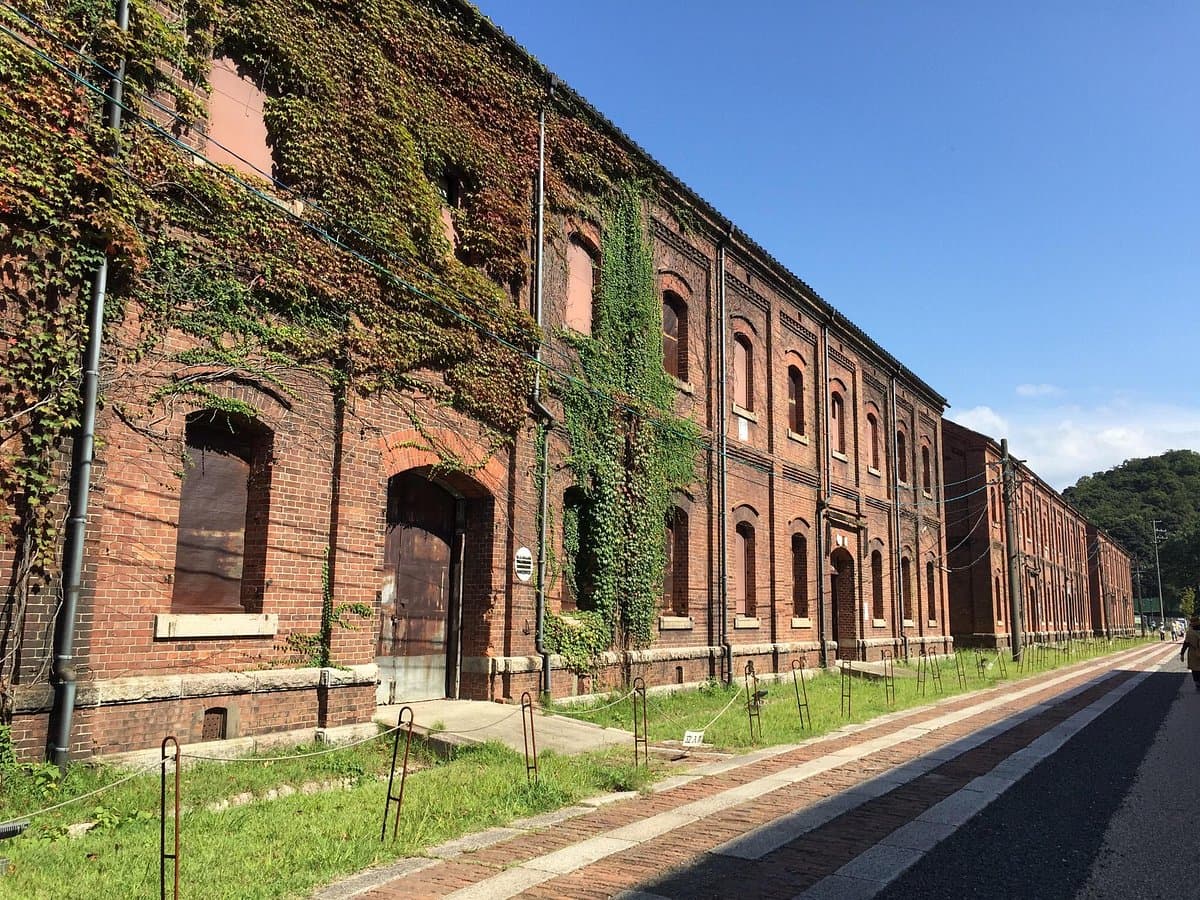
Maizuru Brick Park is a significant historical site centered around a collection of red brick warehouses that once served the Maizuru Naval District. Built between 1899 and 1921, these structures were originally used for storing munitions and other naval supplies. Today, many of these warehouses are designated Important Cultural Properties of Japan, offering a unique architectural and historical experience.
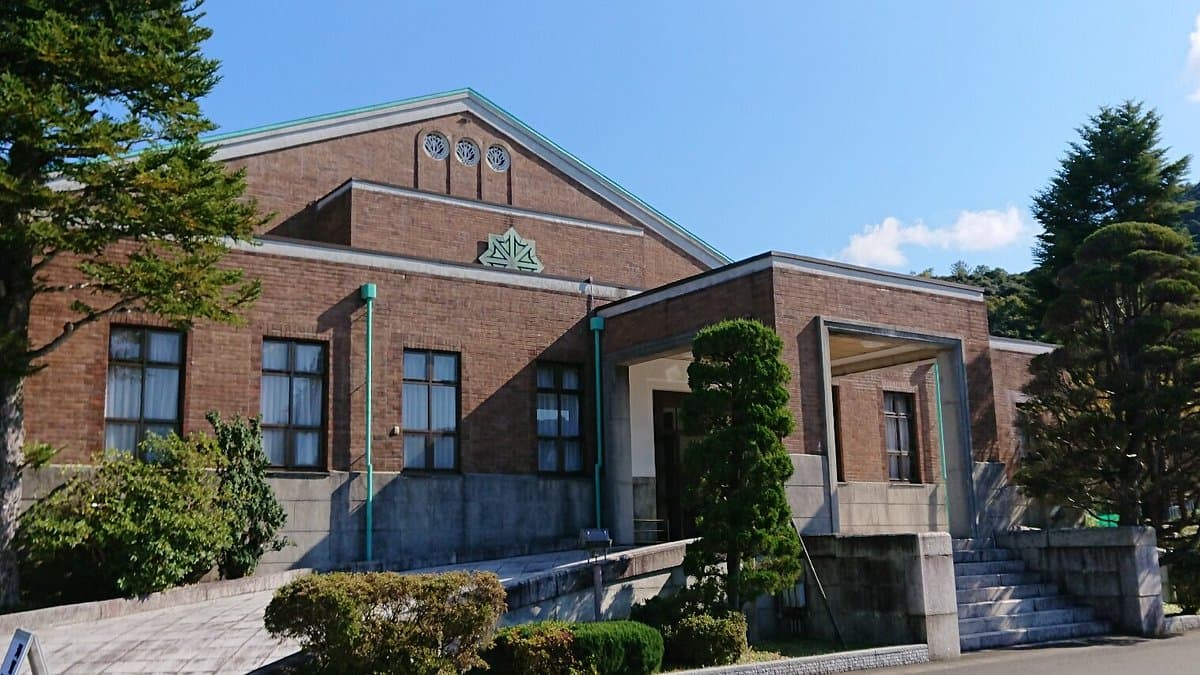
Visitors consistently praise the park for its historical atmosphere and the opportunity to see well-preserved Meiji and Taisho-era architecture. Many find the Red Brick Museum, housed in a former torpedo warehouse, particularly fascinating, with its exhibits on world history through bricks and the local naval past. The presence of Self-Defense Force warships in Maizuru Bay is a notable highlight for many, offering a unique contrast to the historical buildings. Reviewers also appreciate the various facilities within the warehouses, including restaurants and souvenir shops, which add to the overall experience.
To make the most of your visit, allocate a few hours to explore the museum and wander through the surrounding buildings. Some visitors suggest that while the park is smaller than similar sites like Yokohama's Red Brick Warehouse, its unique historical context and the nearby naval presence make it worthwhile. If you are a history enthusiast, particularly interested in naval history or industrial architecture, you will likely find the exhibits and the buildings themselves quite engaging. Consider combining your visit with a boat ride around the bay for different views of the area and the ships.
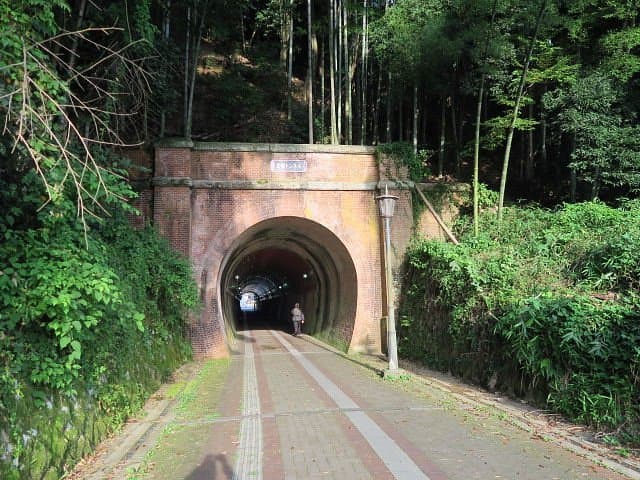
Maizuru Brick Park is located at 1039-2 Kitasui, Maizuru, Kyoto Prefecture. While specific public transport details are not extensively mentioned in reviews, its location in Higashi Maizuru suggests accessibility by local bus or taxi from Maizuru Station. Driving to the park is also an option, and visitors often mention the ease of access. The approach to the park includes a walk through a pedestrian tunnel, which some find adds to the experience.
A common sentiment among some visitors is that the park, outside of the museum, can feel more like a collection of souvenir shops and small restaurants rather than a deep historical dive. Those expecting extensive historical exhibits in every building might find it a bit underwhelming. However, for those who appreciate the architectural beauty and the general atmosphere, or who are keen on naval history, these commercial aspects are seen as complementary rather than a detraction.