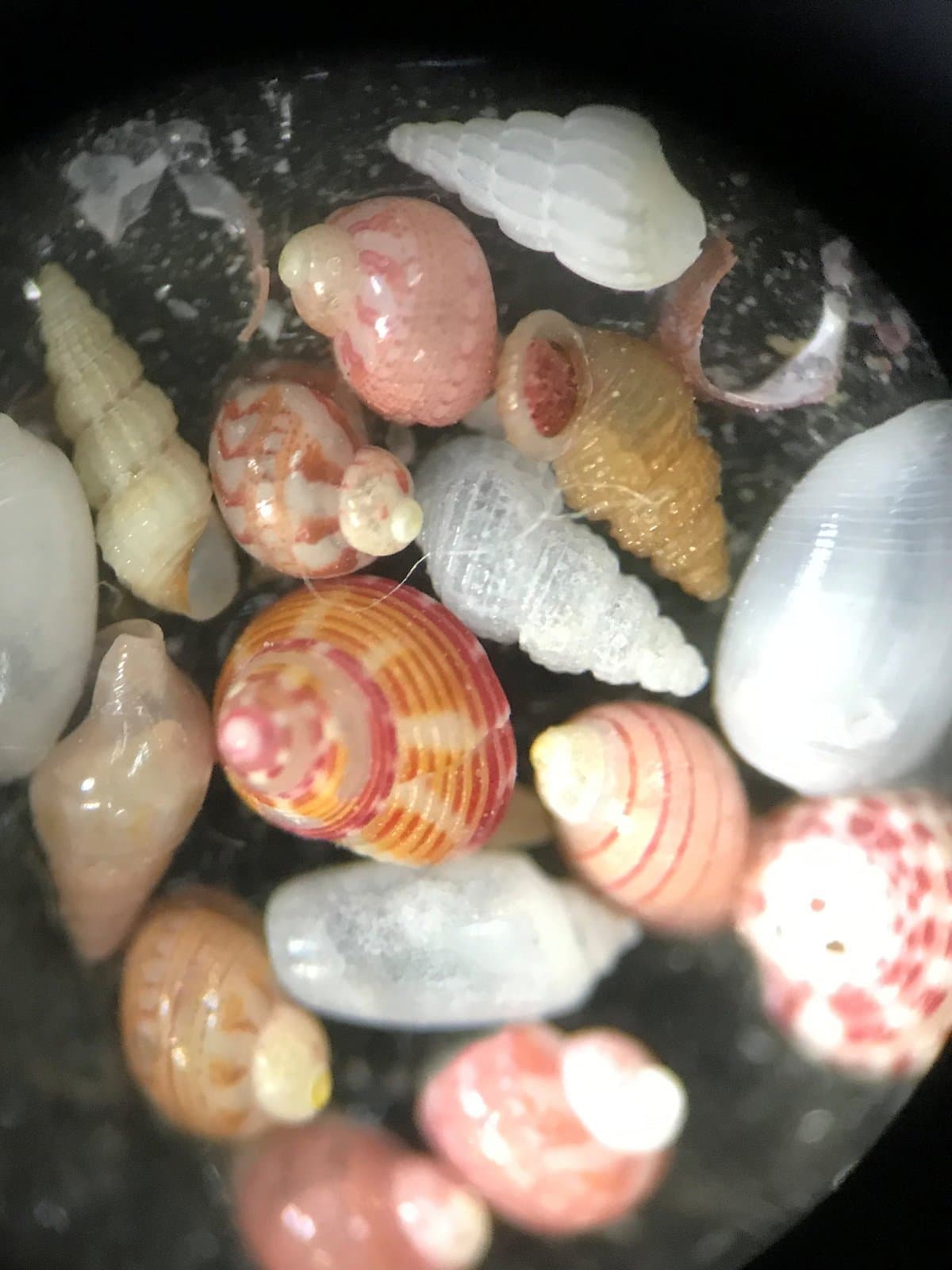
The Kotohiki Hamanakisuna Culture Museum is dedicated to preserving and explaining the natural and cultural heritage of the Kotohiki Beach area, particularly its famous 'singing sands' (nakisuna). This rare geological phenomenon, where sand emits a distinct sound when walked upon, is the central focus, with exhibits detailing its scientific basis and environmental significance. The museum also delves into the broader history and culture of the Kyotango region, offering insights into local life and traditions.
Visitors consistently praise the museum for its informative exhibits, which effectively explain the 'singing sands' phenomenon. Reviewers often highlight the hands-on opportunities to experience the sand's sound and the detailed explanations of local geology and ecology. While the museum is relatively small, those with an interest in natural science or local Japanese culture find it to be a worthwhile stop. Some visitors appreciate the quiet, reflective atmosphere, which allows for a focused learning experience.
To make the most of your visit, allocate approximately 1 to 1.5 hours. The museum is best visited during daylight hours, as its primary focus is educational. There are no specific items to bring, but comfortable shoes are always advisable for exploring. Given its specialized nature, it is recommended to visit if you are already in the Kyotango area, perhaps as part of a trip to Kotohiki Beach itself. The museum is not typically crowded, allowing for a relaxed pace.
The museum is located at 1250 Aminocho Kakezu, Kyotango, Kyoto Prefecture. Public transportation options to this specific location may be limited, as Kyotango is a more rural area. Visitors often reach the museum by car, and parking is generally available. If relying on public transport, it would likely involve a train to a local station in Kyotango, followed by a taxi or local bus, which may have infrequent schedules. It is advisable to check local bus routes and schedules in advance if not traveling by private vehicle.
A common observation from visitors is the museum's small size and specialized focus, which might not appeal to everyone. Those expecting a large, interactive museum with broad appeal might find it limited. To mitigate this, approach the visit with an appreciation for niche topics and the unique natural phenomenon it showcases. It is best enjoyed by those who are genuinely curious about the 'singing sands' and local history, rather than as a general tourist attraction.