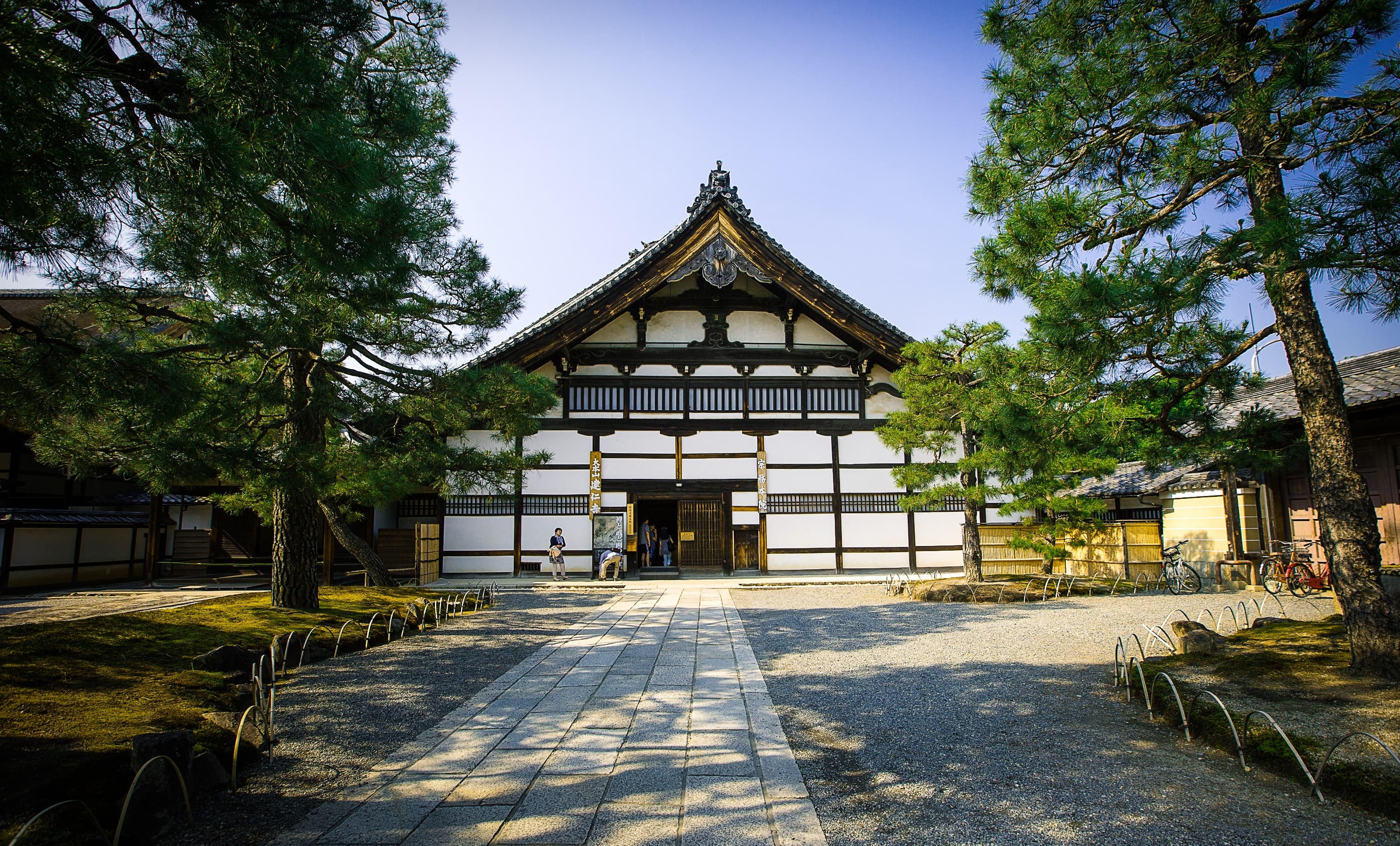
Kennin-ji Temple, founded in 1202 by Zen Master Eisai, holds the distinction of being Kyoto's oldest Zen temple. It is a significant cultural and spiritual site, known for its profound connection to the introduction of Zen Buddhism and the tea ceremony to Japan. The temple complex, though relatively compact, houses invaluable artistic treasures and offers a deep dive into Japanese Zen aesthetics.
Visitors frequently praise the temple for its remarkable artworks, particularly the awe-inspiring Twin Dragons painting on the ceiling of the Hatto (Dharma Hall) and the exquisite screens depicting the Wind God and Thunder God. Many describe these as breathtaking and a must-see. The temple's Zen gardens, including the raked stone gardens and the traditional Japanese courtyards, are consistently highlighted for their beauty and tranquility. Reviewers often note the peaceful atmosphere, making it an ideal spot for quiet reflection and escaping the crowds found at other Kyoto attractions. The ability to sit on the engawa (veranda) and contemplate the gardens is a recurring positive experience.
For a fulfilling visit, allocate at least 1.5 to 2 hours to fully explore the temple's art and gardens. Many suggest arriving right at opening time (10:00 AM) to experience the grounds with fewer people, allowing for better photo opportunities and a more serene atmosphere. Remember that cash is often required for the entry fee, so come prepared. Visitors also advise wearing socks or bringing your own slippers, as shoes must be removed inside the main buildings, and temple-provided slippers can be loose-fitting. Some areas may have restrictions on photography, so pay attention to signage.
Kennin-ji Temple is conveniently located in the heart of the Gion district. It is easily accessible by public transport; many visitors mention it being a short walk from the main Kyoto Station area via City Bus 206. Its central location makes it a natural stop when exploring Gion, often stumbled upon by chance by those wandering the area. If you are coming from Kiyomizu-dera, it's a pleasant walk through Gion to reach Kennin-ji.
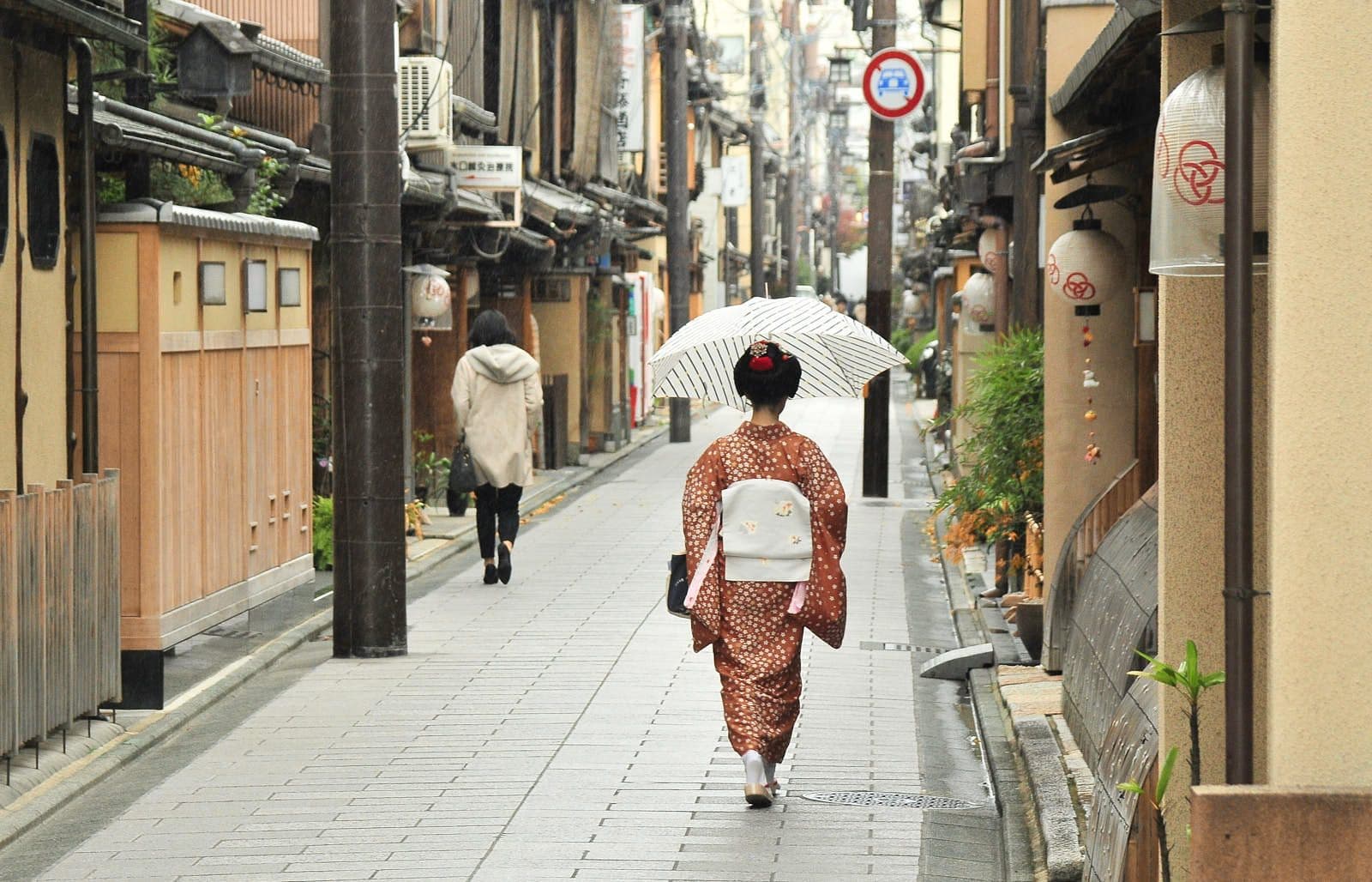
While generally praised for its peacefulness, a few visitors have noted issues with staff regarding photography, particularly with professional-looking cameras. To avoid disappointment, be mindful of the temple's photography rules, which generally prohibit professional photoshoots. Some also mention the presence of tourists in rented traditional costumes posing for photos, which can occasionally detract from the tranquil experience, though this is a minor complaint.