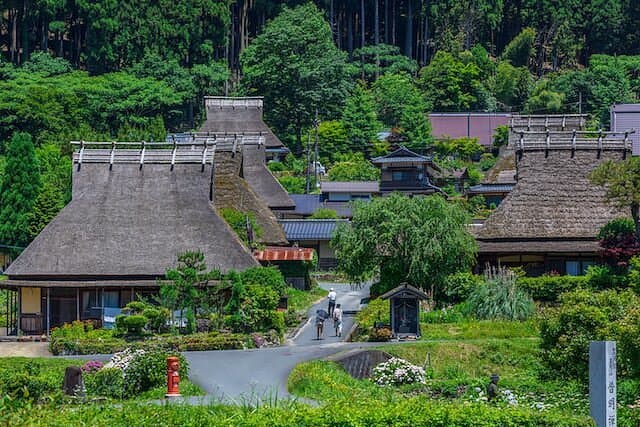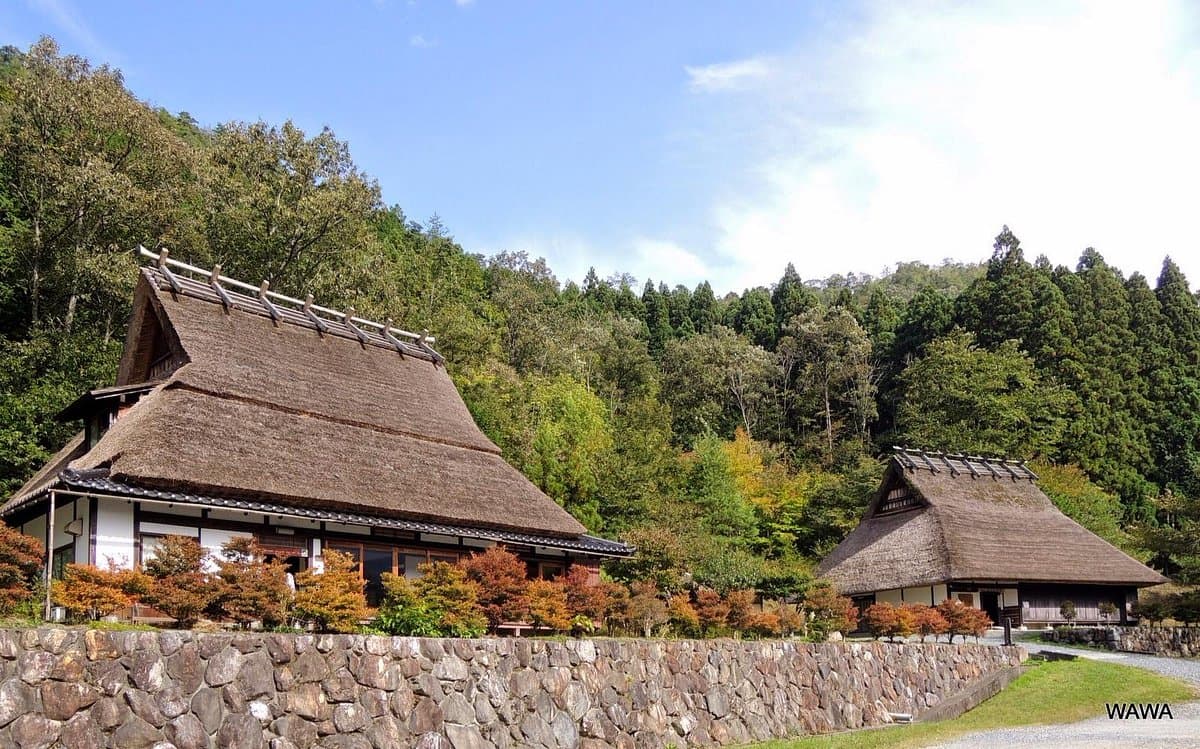
Kayabuki no Sato, also known as Miyama Thatched House Village, is a historically significant hamlet in Nantan, Kyoto Prefecture, renowned for its collection of traditional thatched-roof houses (kayabuki). Many of these homes date back to the mid-to-late Edo period, with 38 still maintaining their distinctive roofs. It offers a preserved glimpse into rural Japanese life and architecture, standing as one of Japan's three major thatched cottage villages.
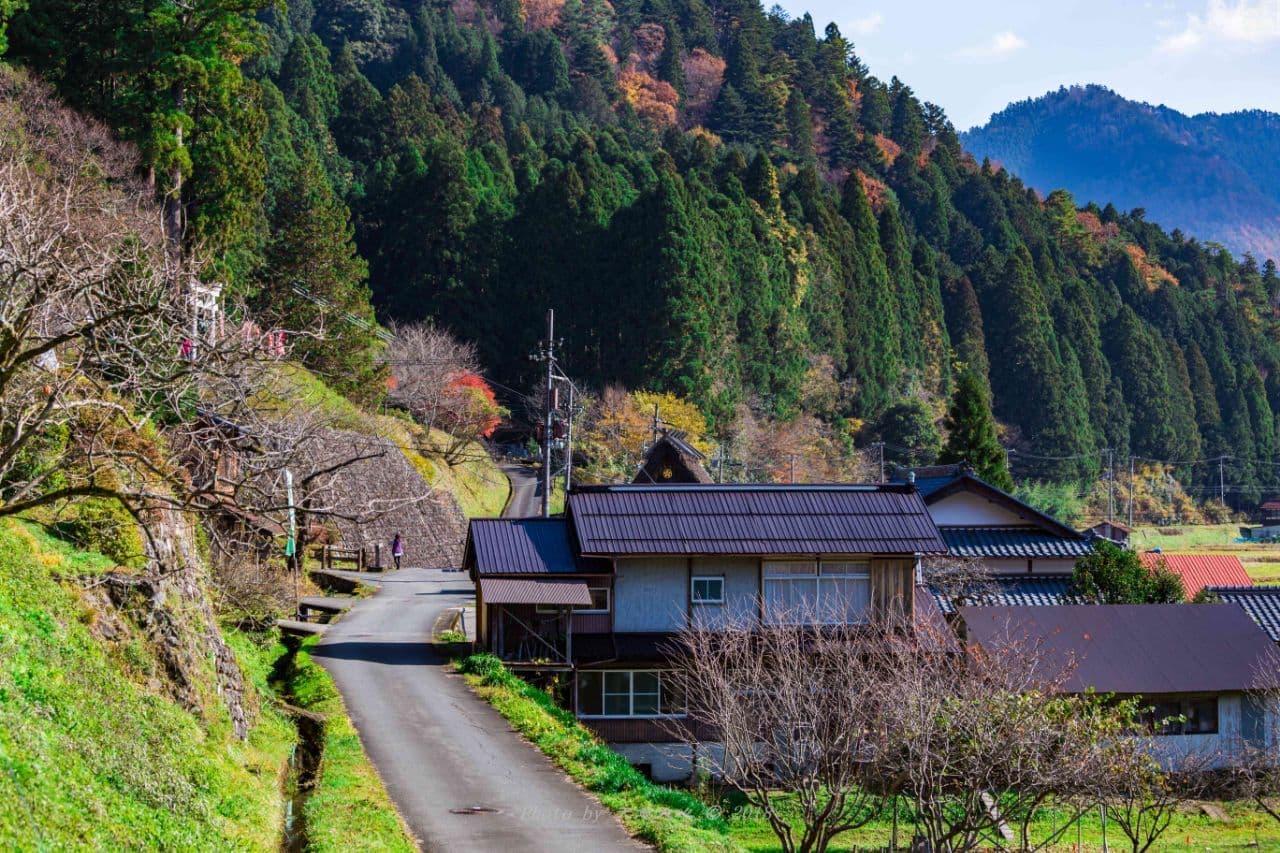
Visitors consistently praise the village for its tranquil and beautiful scenery, often noting the peaceful atmosphere as a welcome contrast to busier tourist spots. Many reviewers highlight the opportunity to experience an ancient village without the crowds found in places like Shirakawa-go, making it ideal for those seeking a more reflective and authentic cultural experience. The unique architecture and the surrounding natural beauty, particularly during autumn with its persimmons and red dragonflies, are frequently mentioned as highlights. The kinako soft-serve ice cream also receives specific positive mentions from those who have tried it.
To make the most of your visit, plan to spend around 2-3 hours exploring the village at a leisurely pace. Reviewers suggest that the village is beautiful in all seasons, but autumn offers particularly vibrant colors. It's advisable to wear comfortable walking shoes as you'll be strolling through the village. While the village is open all day, arriving in the morning or late afternoon might offer the best light for photography and fewer visitors. Consider bringing a camera to capture the unique architectural details and scenic landscapes.
Kayabuki no Sato is located in Kitamura, Miyama Town, Nantan City, Kyoto. It is approximately two hours away from Kyoto city. While specific public transport details are not extensively mentioned in reviews, reaching the village typically involves a combination of train and bus from Kyoto. Driving is also an option, and it allows for more flexibility in exploring the surrounding Miyama area. Check local transport schedules in advance, as bus services to rural areas can be less frequent.
A common point to consider is the relative remoteness of the village. While this contributes to its peaceful charm, it also means fewer immediate amenities compared to urban areas. Visitors should be prepared for a longer journey from Kyoto and plan their meals accordingly, although some small shops and restaurants within the village do cater to tourists, often maintaining the traditional thatched-roof aesthetic.