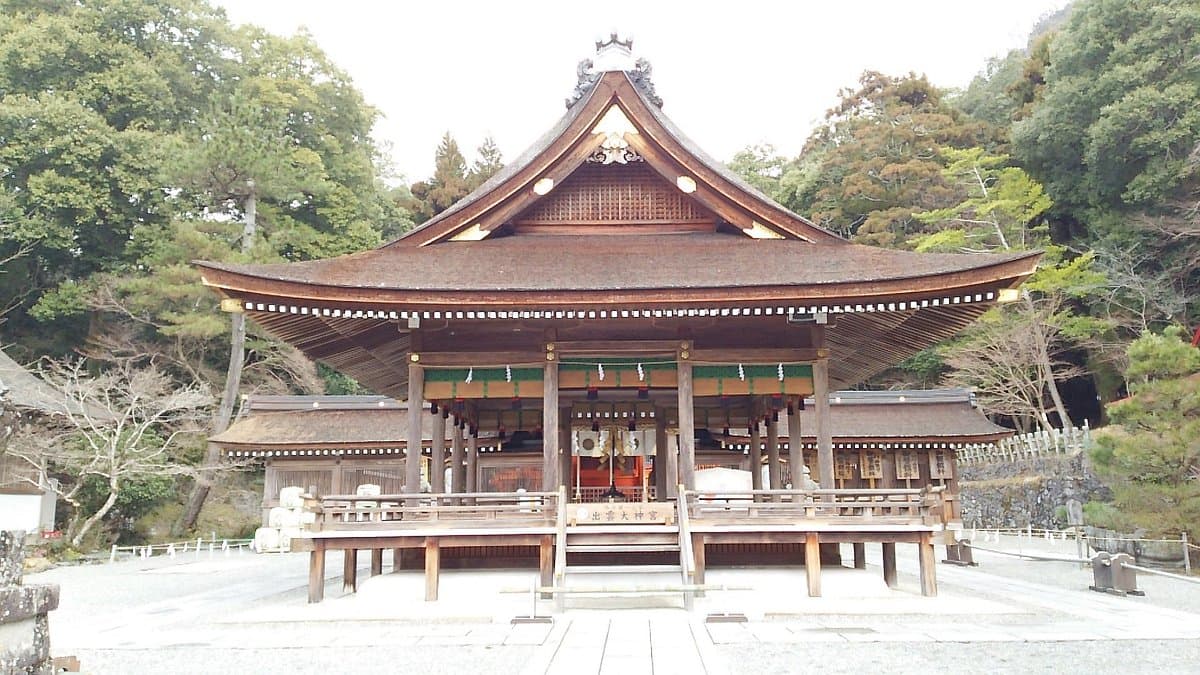
Izumo Daijingu is a Shinto shrine in Kameoka, Kyoto Prefecture, holding historical significance as a potential precursor or deeply connected site to the grand Izumo Taisha. It is revered for its association with the three great gods of marriage, fortune, and longevity, making it a destination for those seeking blessings in these areas. Its roots are said to be older than Izumo Taisha itself, offering a unique perspective on ancient Japanese spiritual practices.
Visitors consistently praise the shrine's tranquil and spiritual ambiance, often noting its deep connection to the local community. The sense of history and the peaceful surroundings are frequently highlighted as reasons for a fulfilling visit. While not as grand or bustling as some of Kyoto's more central attractions, its quiet charm is a significant draw for those looking to experience a more authentic and less crowded spiritual site.
To make the most of a visit, plan to spend about 1-2 hours exploring the grounds. The shrine is best visited during the quieter morning hours to fully appreciate its serenity. There are no specific items to bring, but comfortable walking shoes are advisable. As it is a place of worship, respectful attire is recommended. There are no specific warnings about what to skip, as the entire site contributes to the experience.
Izumo Daijingu is located in Kameoka, Kyoto Prefecture. While specific public transport details are not widely available in reviews, Kameoka is accessible by train from Kyoto Station. From Kameoka Station, local buses or a taxi would likely be required to reach the shrine, as it is situated in a more rural area. Driving may also be an option, though parking availability should be confirmed.
Common complaints are not frequently mentioned, likely due to the shrine's peaceful nature and the expectations of visitors. However, some might find its relatively remote location and lack of extensive tourist facilities a minor inconvenience. Mitigating this involves planning transportation in advance and appreciating the shrine for its quiet, local charm rather than expecting a major tourist hub.