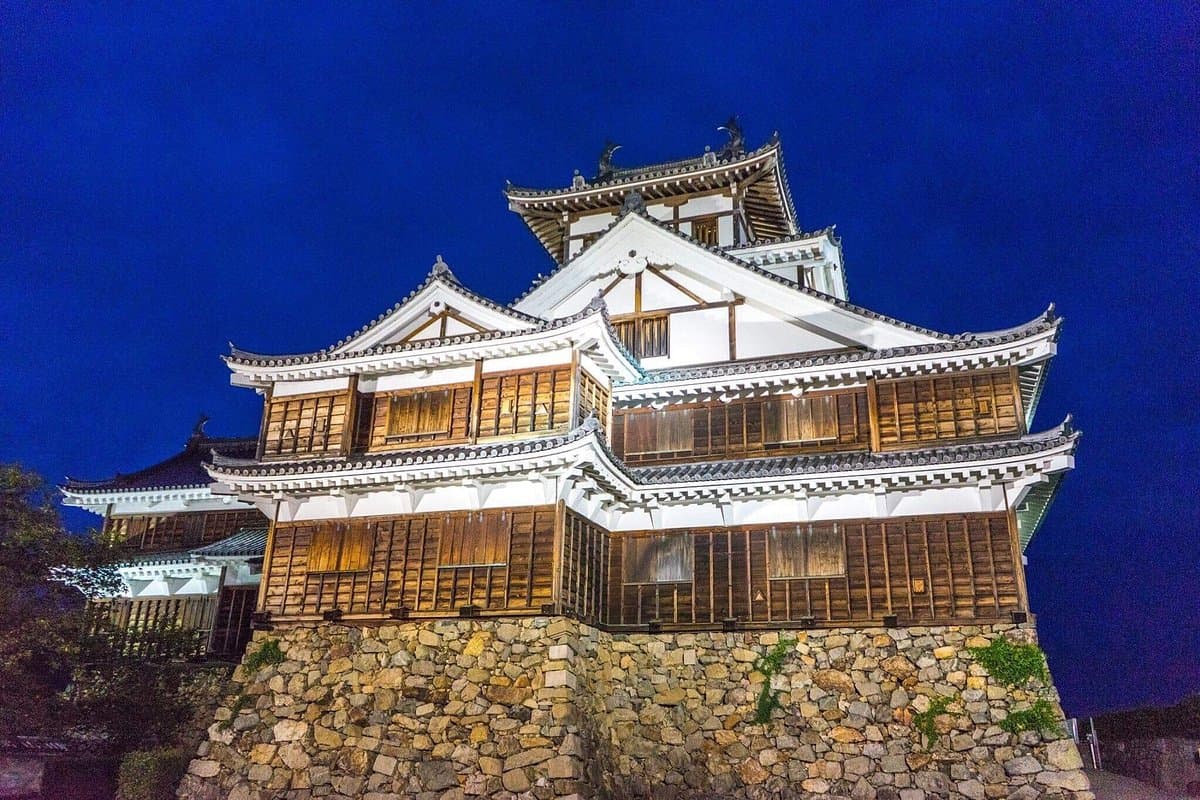
Fukuchiyama Castle is a reconstructed Japanese castle, originally built by Akechi Mitsuhide, a prominent samurai general. While the current structure is a modern reconstruction, it stands as a significant symbol of Fukuchiyama City and houses a local history museum. Its historical importance lies in its association with Akechi Mitsuhide, a figure central to the Sengoku period, and its unique architectural features, such as the repurposed stones in its walls.
Visitors consistently praise the castle's welcoming atmosphere, often noting the availability of English-friendly resources. Several reviewers highlight the video explanations with English subtitles about Mitsuhide's life and the castle's history as particularly engaging and informative, a rare find in many Japanese castles. The views from the castle tower are frequently mentioned as a highlight, offering pleasant panoramas of the surrounding city. The unique construction of the stone walls, incorporating repurposed materials like gravestones and stupas, also fascinates many, distinguishing it from other castles.
For a fulfilling visit, allocate approximately 1-2 hours. Many suggest that the castle is best visited during cherry blossom season, as the surrounding gardens become particularly beautiful. It's advisable to wear comfortable shoes as there are some steep slopes leading up to the castle. While the castle is smaller compared to major landmarks like Osaka or Himeji Castle, its charm lies in its local historical depth and the effort made to accommodate international visitors. Don't miss the opportunity to take a photo in a samurai hat, an experience many reviewers enjoyed.
Fukuchiyama Castle is conveniently located in the city center. It is easily accessible, with many visitors noting it's about a 20-minute walk from the JR Fukuchiyama Station. The city itself is not large, making navigation straightforward. Public transport options within Fukuchiyama are generally sufficient for reaching the castle.
A common point of feedback is that while the castle is associated with Akechi Mitsuhide, the museum's exhibits primarily focus on the Fukuchiyama Domain during the Edo period, with fewer extensive displays specifically about Mitsuhide. Visitors expecting a deep dive solely into Mitsuhide's life might find this slightly disappointing. To mitigate this, approach the visit with an open mind, appreciating the broader local history presented, and utilize the English-subtitled video for specific insights into Mitsuhide.