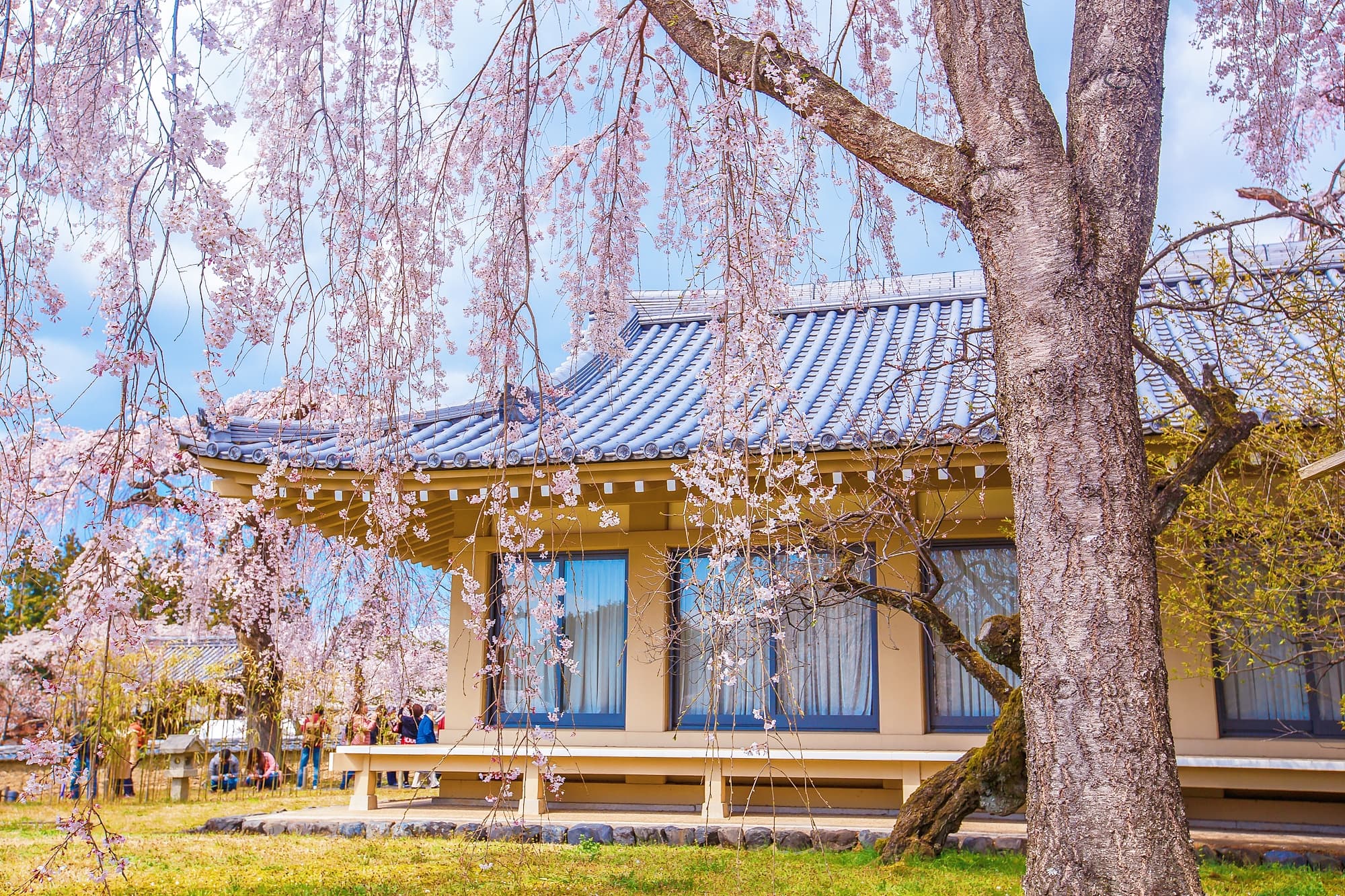
Daigo-ji Temple is a significant UNESCO World Heritage site with a history stretching back to 874 AD, serving as the head temple of the Daigo sect of Shingon Buddhism. It is particularly famous for its five-story pagoda, one of Kyoto's oldest wooden structures, and its profound connection to historical figures like Toyotomi Hideyoshi, who held a legendary cherry blossom viewing party here. The temple complex is vast, divided into three main areas: the Lower Daigo (Shimo-Daigo), the Upper Daigo (Kami-Daigo) on the mountain, and the Sanboin, each offering distinct historical and natural beauty.
Visitors consistently highlight Daigo-ji's exceptional beauty during the cherry blossom (spring) and autumn foliage (fall) seasons, often describing it as one of Kyoto's most stunning locations. Many appreciate its relative tranquility compared to more central, crowded attractions, allowing for a more peaceful and immersive experience. The Sanboin garden, with its intricate design and reflective pond, is frequently singled out as a must-see, with some reviewers noting the beauty of reflections on the water. The opportunity to explore without large crowds is a recurring positive theme, making it ideal for photography and quiet contemplation.
To make the most of a visit, plan to spend 2-3 hours exploring the main areas. Arriving early in the morning, especially during peak seasons, is recommended to avoid the modest crowds that do gather. Many visitors suggest purchasing the combined ticket for all three main areas (Sanboin, Garan, and Reihokan Museum) to fully appreciate the temple's offerings, despite the separate admission fees. Reviewers advise wearing comfortable shoes, as the complex is extensive and involves a fair amount of walking. If visiting in summer, be prepared for heat and humidity, and consider bringing water. Some visitors mention a flea market held on the 29th of each month outside the temple gates, which can add an interesting local flavor to the visit.
Daigo-ji Temple is accessible via public transport, though it requires a bit of effort. The nearest metro station is Daigo Station on the Tozai Line. From there, it's approximately a 10-15 minute walk uphill to the temple entrance. Alternatively, several bus routes serve the temple; some reviewers mention a direct bus from Kyoto Station, though checking specific schedules is advised. For those driving, some parking is available, and one reviewer noted free parking for two hours at the nearby Heiwado Daigo shop if making a purchase. The walk from the station is generally considered manageable but can be challenging in extreme weather conditions.
A common point of concern among visitors is the tiered ticketing system, where different sections of the temple require separate admission fees, which can add up. Some also note that the Upper Daigo (Kami-Daigo) section, which involves a significant hike, may be closed due to typhoon damage or simply be too strenuous for some. It's advisable to check the temple's official website or local tourist information for current access conditions and pricing before visiting, especially if planning to hike to the upper sections. Additionally, while generally less crowded, peak seasons like cherry blossom and autumn foliage will still draw a significant number of visitors, so managing expectations regarding solitude is important during these times.