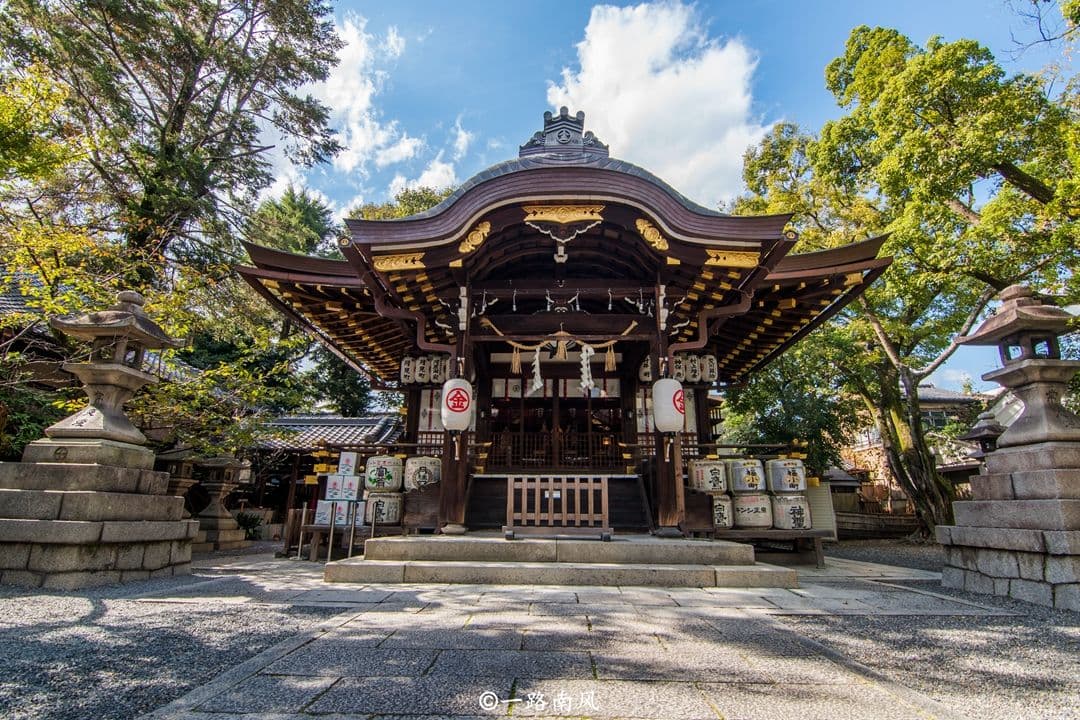
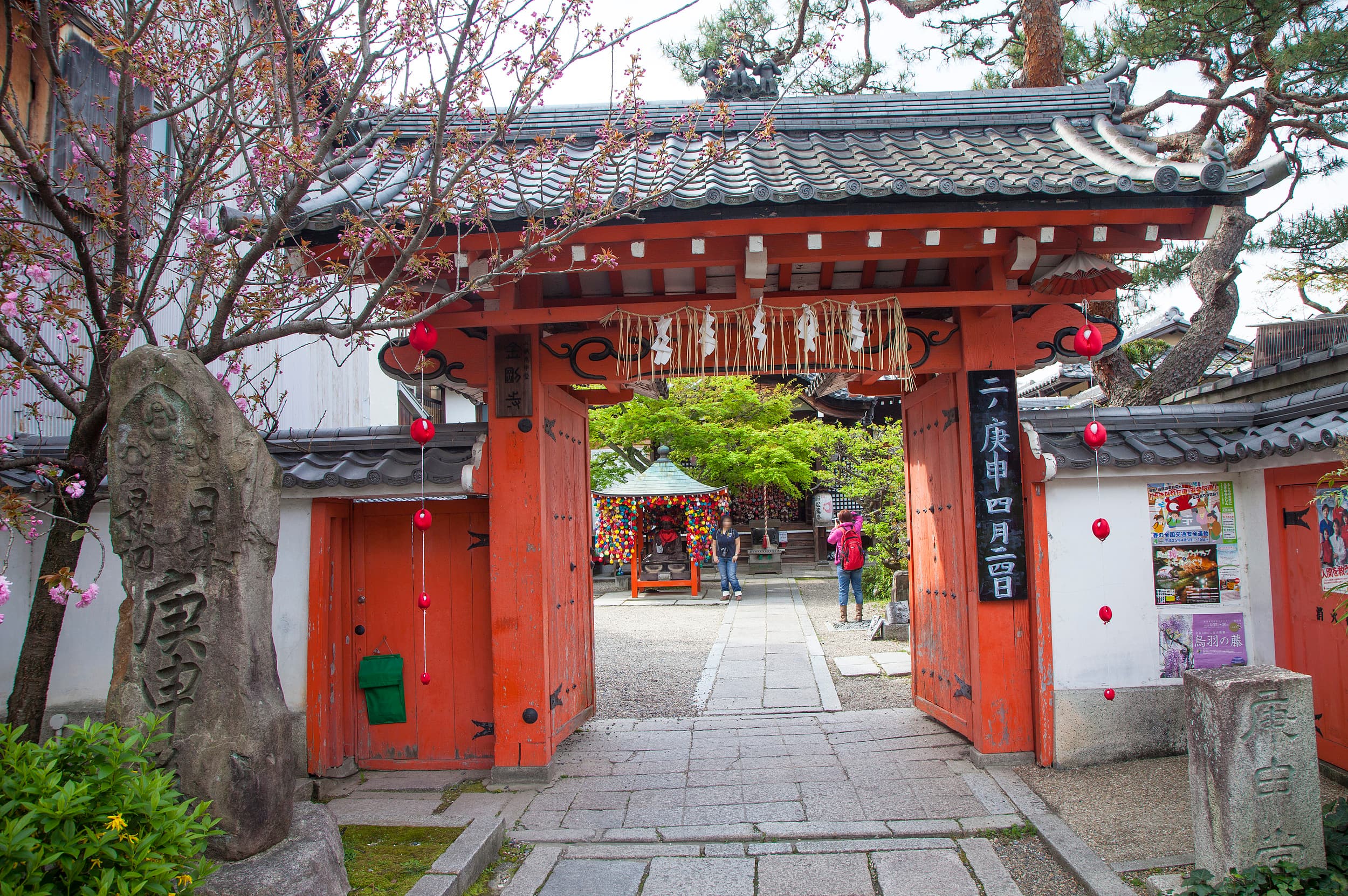
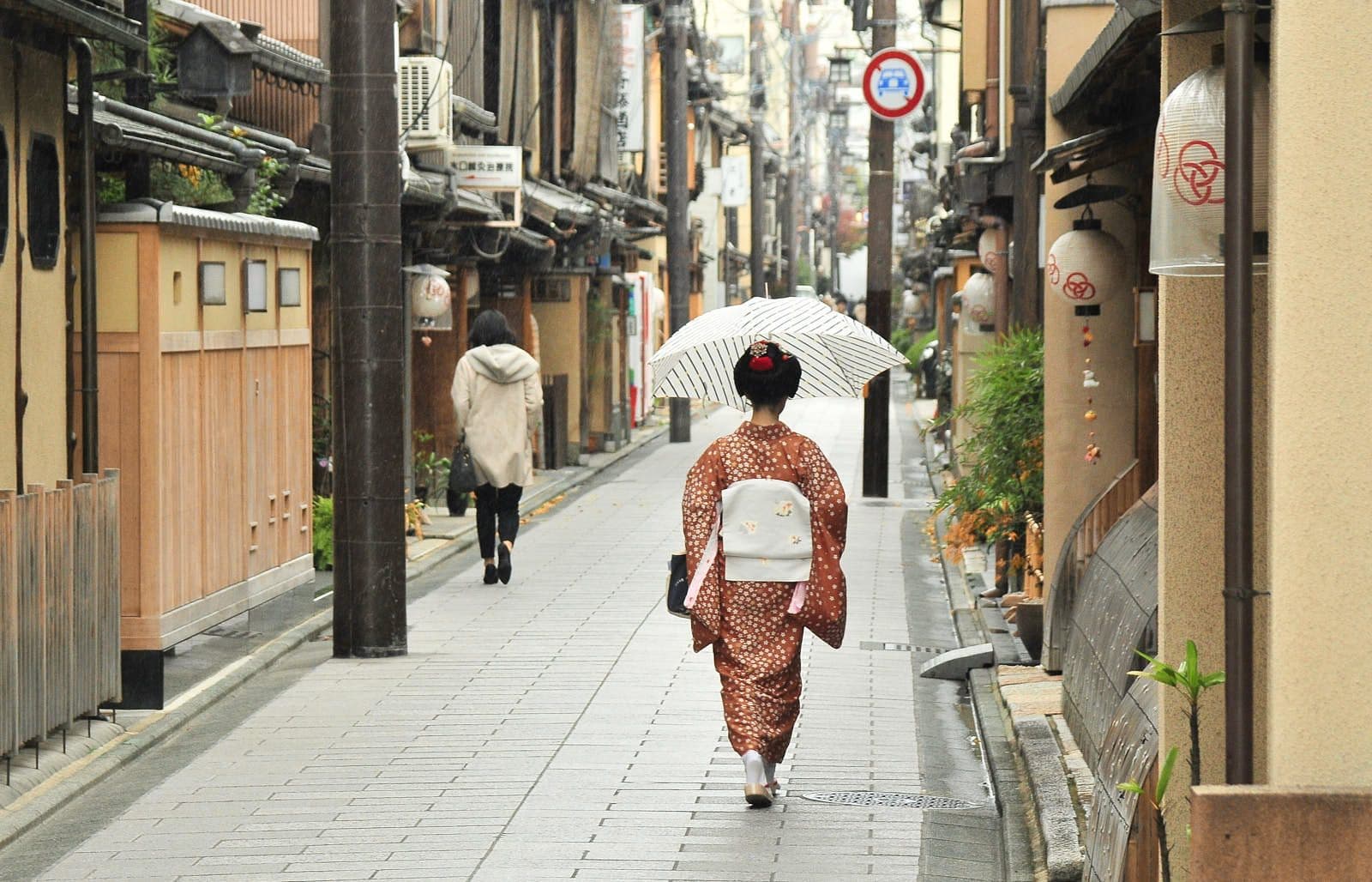
Chion-in Temple is a prominent Buddhist complex in Kyoto, serving as the head temple of the Jōdo-shū (Pure Land) sect. Founded in the 13th century by Honen Shonin, it is renowned for its immense scale, housing some of Japan's largest temple structures, including its massive Sanmon Gate and the Great Bell. The temple's historical significance and architectural grandeur make it a key site for understanding Japanese Buddhist heritage.
Visitors consistently highlight the temple's peaceful and serene atmosphere, often noting it as a welcome contrast to more crowded attractions. Many praise the magnificent architecture, particularly the grand main hall and the impressive Sanmon Gate, which is a designated National Treasure. The temple's gardens are also frequently mentioned as beautiful and tranquil, providing a perfect setting for quiet contemplation. Reviewers often recommend visiting during autumn for stunning maple leaves or spring for cherry blossoms, and some have enjoyed special night illuminations. The sheer size of the complex, including the famous 74-ton Great Bell, leaves a lasting impression on many.
To make the most of your visit, allocate at least 1 to 2 hours to explore the extensive grounds. Arriving early in the morning is often recommended to experience the temple in its most peaceful state, before larger crowds gather. Wear comfortable shoes, as the complex involves a fair amount of walking and some uphill sections, being built on a hillside. While the main structures are impressive, some visitors note that parts of the temple, including certain halls, may be undergoing renovation, which can slightly impact the experience. It is advisable to check for any ongoing renovations before your visit if specific areas are a priority.
Chion-in Temple is conveniently located in the Higashiyama area of Kyoto. It is within walking distance from the Higashiyama subway station, typically a 5-10 minute walk. Many visitors also combine a visit here with nearby attractions like Maruyama Park, Yasaka Shrine, and Shoren-in Temple, as they are all in close proximity. The temple is also accessible by bus, with several routes stopping nearby. For those driving, parking options may be limited in the immediate vicinity, so public transport is generally recommended.
A common observation from visitors is the potential for parts of the temple to be under renovation. While this is a necessary part of maintaining ancient structures, it can mean certain areas are inaccessible or obscured. To mitigate this, consider checking the official temple website or recent visitor reviews for updates on renovation schedules. Additionally, while the temple is generally less crowded than some other Kyoto sites, peak seasons like cherry blossom and autumn foliage can still attract significant numbers, so planning an early morning visit is beneficial.