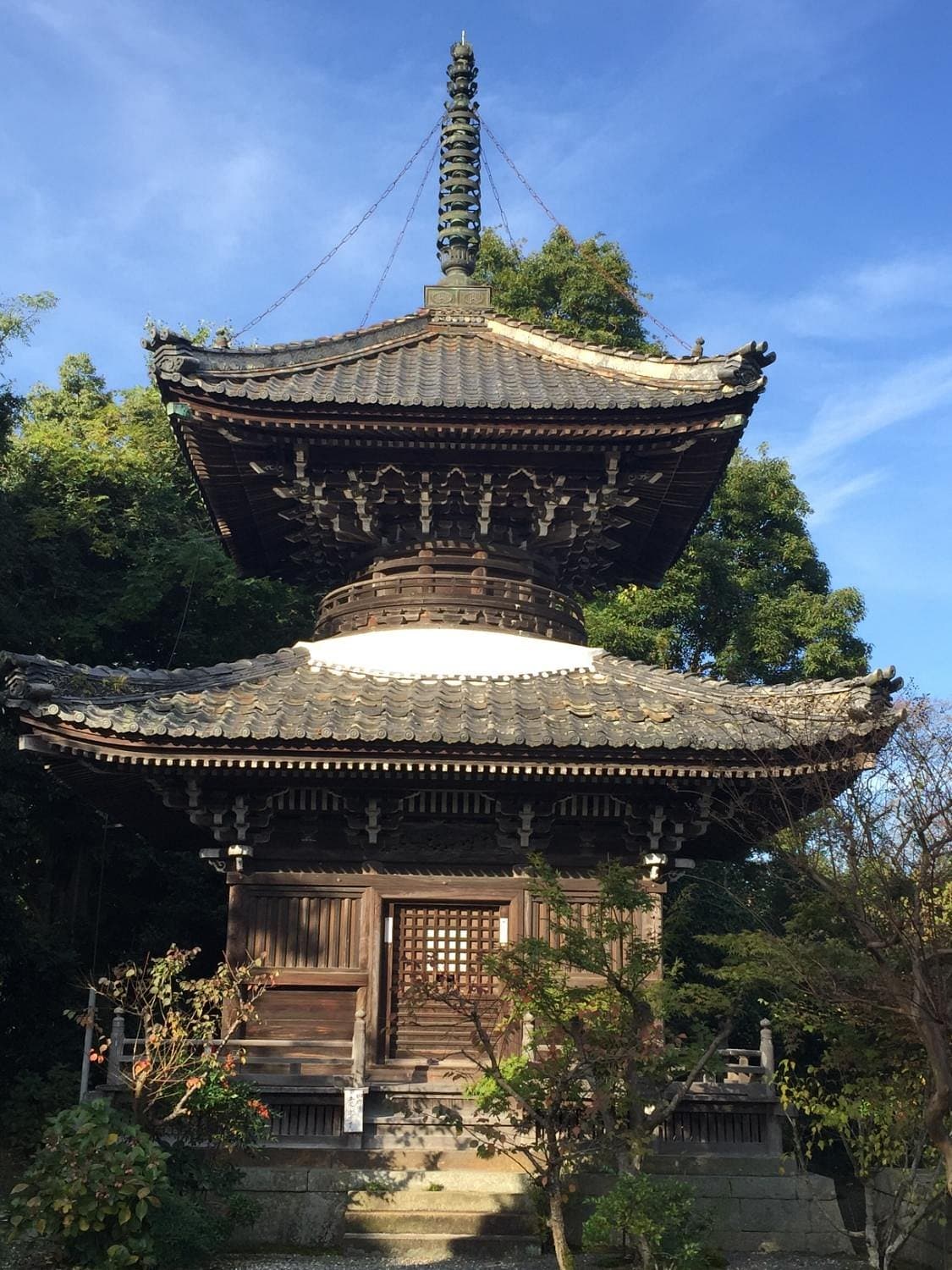
Anao-ji Temple, founded in 705 by imperial order, holds significant historical and religious importance as the 21st temple on the Saigoku Kannon Pilgrimage. It belongs to the Tendai sect of Buddhism and is particularly noted for its rare Buddha statue in the main hall, which is believed to bestow good fortune upon those who touch it in specific ways.
Visitors consistently praise the temple's tranquil and uncrowded atmosphere, especially during weekday afternoons. This allows for a leisurely exploration of the grounds, a stark contrast to the bustling major temples in Kyoto. Many pilgrims highlight the unique experience of wearing a futon and touching the Nirvana statue, which is a rare opportunity not found in many other temples. The quiet environment makes it an ideal spot for reflection and enjoying traditional Japanese temple architecture without distractions.
To make the most of your visit, consider going on a weekday to avoid any potential crowds, though reviewers note that even on holidays, visitor numbers can be sparse. Allocate about 1 to 2 hours to fully appreciate the temple grounds and participate in the unique Nirvana statue experience. There are no specific items to bring, but comfortable walking shoes are always recommended for temple visits. While some visitors mention a 'sneaky old lady' at the sutra offering office, this seems to be an isolated complaint and does not reflect the overall positive experience of the temple itself.
Reaching Anao-ji Temple typically involves driving. Reviewers suggest taking the Kyoto Jukan Expressway to Kameoka. From there, turn left near the sports park, and after a short drive, you will arrive at the Niomon Gate. A parking lot is available to the right. Public transport options are not explicitly mentioned in reviews, suggesting that driving or taking a taxi might be the most convenient way to access this somewhat secluded location.
The primary complaint noted by one reviewer concerned the staff at the sutra offering office. While this appears to be an isolated incident, visitors can mitigate potential issues by being prepared for varying levels of service at smaller, less frequented sites. Focusing on the spiritual and historical aspects of the temple itself can help ensure a positive experience.