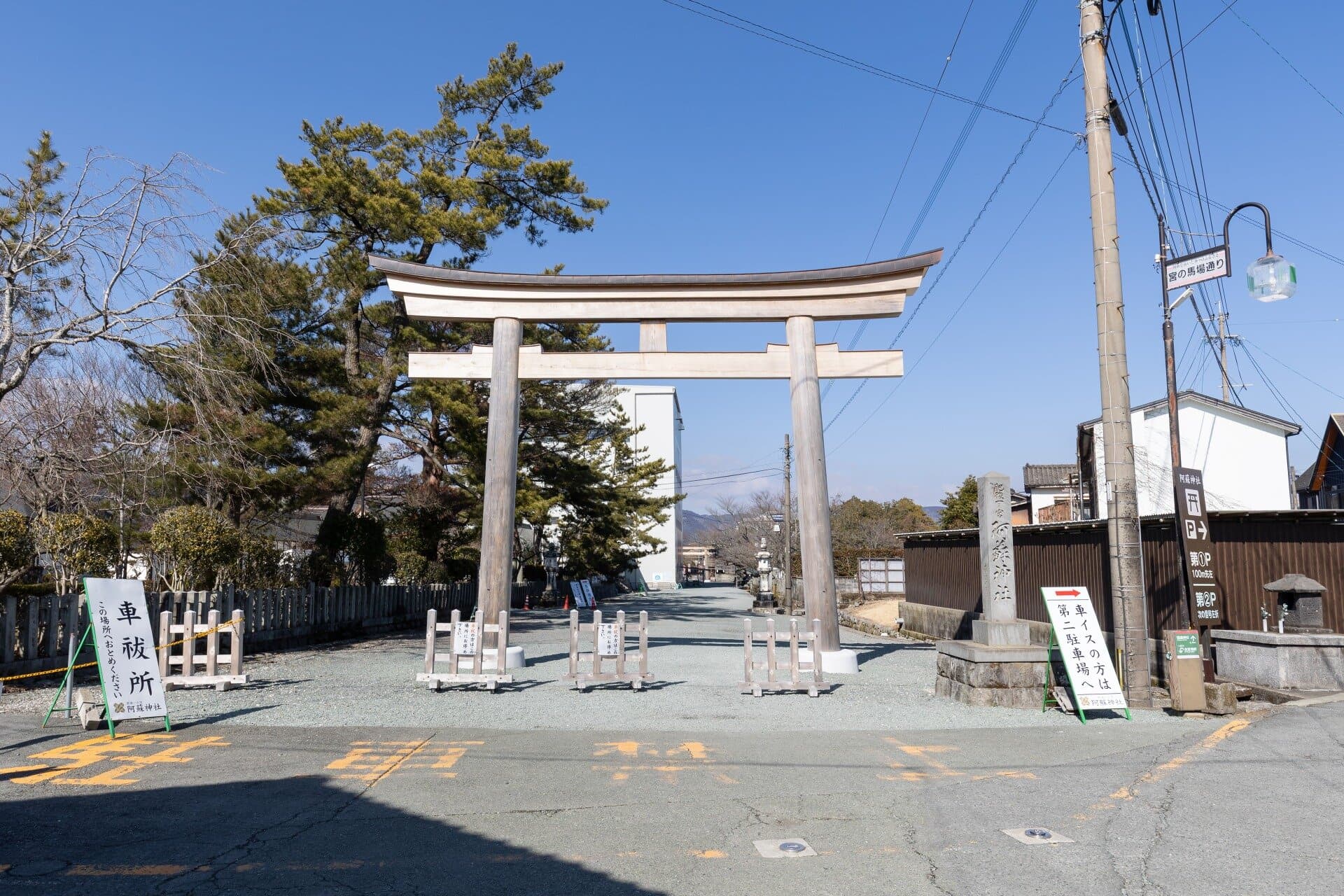
Aso Shrine is one of Japan's oldest and most significant Shinto shrines, with a history spanning over 2000 years. It serves as the head shrine for more than 500 Aso shrines across the country and is deeply connected to volcanic worship, with Mount Aso's crater considered a sacred object. The shrine enshrines Takeiwatatsu-no-Mikoto and thirteen other deities, making it a crucial site for understanding local religious and cultural heritage.
Visitors consistently praise the shrine's remarkable recovery and restoration following the devastating 2016 Kumamoto earthquake. The magnificent Romon Gate, designated as a National Treasure, has been meticulously rebuilt, often reusing original materials, a testament to Japanese craftsmanship and resilience. Many reviewers highlight the peaceful and serene atmosphere, even when crowded, and appreciate the unique architectural features. The surrounding shopping street, known for its natural spring water and local shops, is frequently mentioned as an enjoyable extension of the visit, offering opportunities to sample local foods and purchase souvenirs. Reviewers also point out unique elements within the shrine grounds, such as the 'Senobi-ishi' (wishing stone) and 'Enmusubi-no-matsu' (matchmaking pine tree), which add interactive and cultural interest.
To make the most of your visit, consider going early in the morning or at dusk to avoid crowds and experience a more tranquil atmosphere. Many visitors recommend trying the natural spring water available on the grounds and along the shopping street; bringing a reusable bottle is a good idea. While the main prayer hall might not always be accessible for entry, the architectural beauty and historical significance can still be appreciated from the outside. Allow about 1-2 hours to explore the shrine and the adjacent shopping street. If you're interested in specific rituals or festivals, check the shrine's schedule beforehand, as these events can significantly enhance the experience.
Aso Shrine is accessible by public transport. It is about a 10-20 minute walk from Miyaji Station, which is one stop from Aso Station on the JR Hohi Line. Several reviewers mention taking the local bus from Aso Station, which takes around 15-20 minutes. For those driving, parking is available, though it can fill up quickly, especially on weekends and holidays. Some visitors mention using a third parking lot across the street if the main one is full, with a short walk to the shrine. The area around the shrine is pedestrian-friendly, with many shops and eateries.
While the restoration is largely complete, some visitors in the past noted ongoing construction, which could temporarily obscure certain views. However, recent reviews confirm that the major structures, including the Romon Gate, are fully restored and open. A minor complaint is that the shrine grounds are not overly large, and some find the visit brief if not combined with exploring the surrounding area. To mitigate this, ensure you allocate time for the charming shopping street and its unique spring water features.