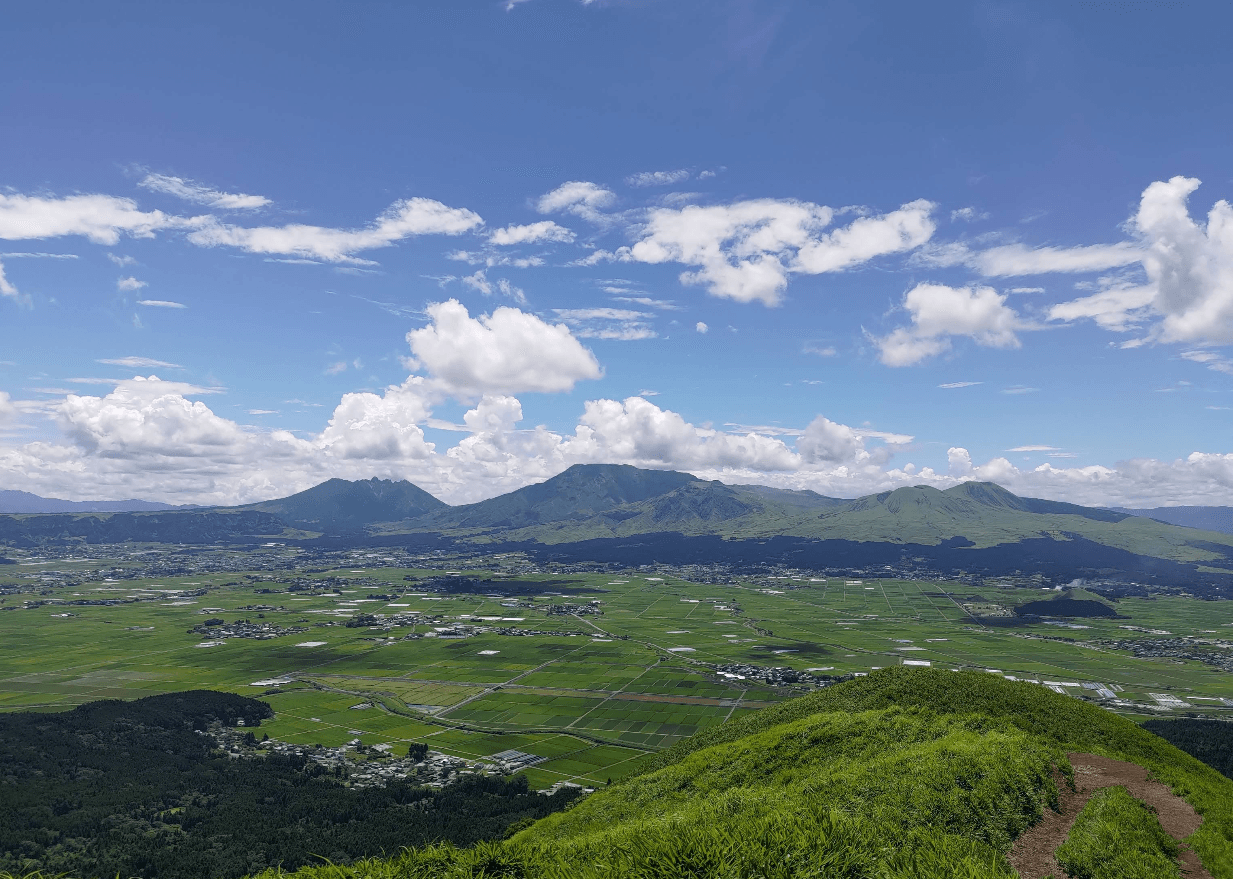
Aso-Kuju National Park is a prominent national park in Kyushu, Japan, renowned for its magnificent natural landscapes, particularly its volcanic terrain and expansive grasslands. It serves as a vital nature reserve, offering a rich tapestry of ecosystems that support diverse flora and fauna. The park's significance lies in its unique geological features, including Mount Aso, one of the world's largest active volcanoes, and the serene Kuju mountain range, providing a dramatic backdrop for exploration.
Visitors consistently praise the park for its breathtaking scenic beauty, especially the panoramic views from various viewpoints and the vibrant seasonal changes. Reviewers frequently highlight the beauty of the blooming wildflowers across the grasslands in spring, transforming the landscape into a colorful spectacle. In autumn, the park is celebrated for its stunning red and gold foliage, offering a different but equally captivating visual experience. Many find the extensive network of hiking trails to be a major draw, catering to all levels from leisurely walks to challenging mountain treks. The opportunity to witness an active volcano up close, albeit from safe viewing areas, is often cited as a unique and memorable experience.
To make the most of a visit, it is advisable to allocate at least one full day, though two days would allow for a more comprehensive exploration of different areas. Early mornings are often recommended for clearer views and fewer crowds, especially at popular spots like the Nakadake crater. Bringing comfortable walking shoes, layers of clothing (as weather can change rapidly at higher elevations), and plenty of water is essential. While there are facilities within the park, packing some snacks is a good idea, particularly for longer hikes. Consider visiting during spring for wildflowers or autumn for fall colors, as these seasons are frequently lauded in visitor feedback. For those interested in hot springs, several are available within or near the park, offering a relaxing end to a day of exploration.
Reaching Aso-Kuju National Park typically involves a combination of train and bus. The nearest major train station is Aso Station, accessible via the JR Hohi Line. From Aso Station, local buses connect to various points within the park, including the Mount Aso Ropeway station (though the ropeway itself may be closed depending on volcanic activity) and other trailheads. Driving is also a popular option, offering greater flexibility to explore the vast park at one's own pace, with numerous parking areas available at key attractions. However, be aware that some roads may be closed due to weather or volcanic conditions, so checking local advisories is recommended.
A common complaint among visitors, particularly those relying solely on public transport, is the limited frequency of buses to some of the more remote areas of the park. This can lead to longer waiting times or the need for careful planning of itineraries. To mitigate this, consider renting a car for at least one day, or research bus schedules thoroughly in advance and prioritize key attractions that are well-served. Another occasional concern is the closure of certain areas, especially around the volcanic crater, due to elevated volcanic activity or adverse weather. Always check the latest park advisories and safety warnings before heading out to avoid disappointment.