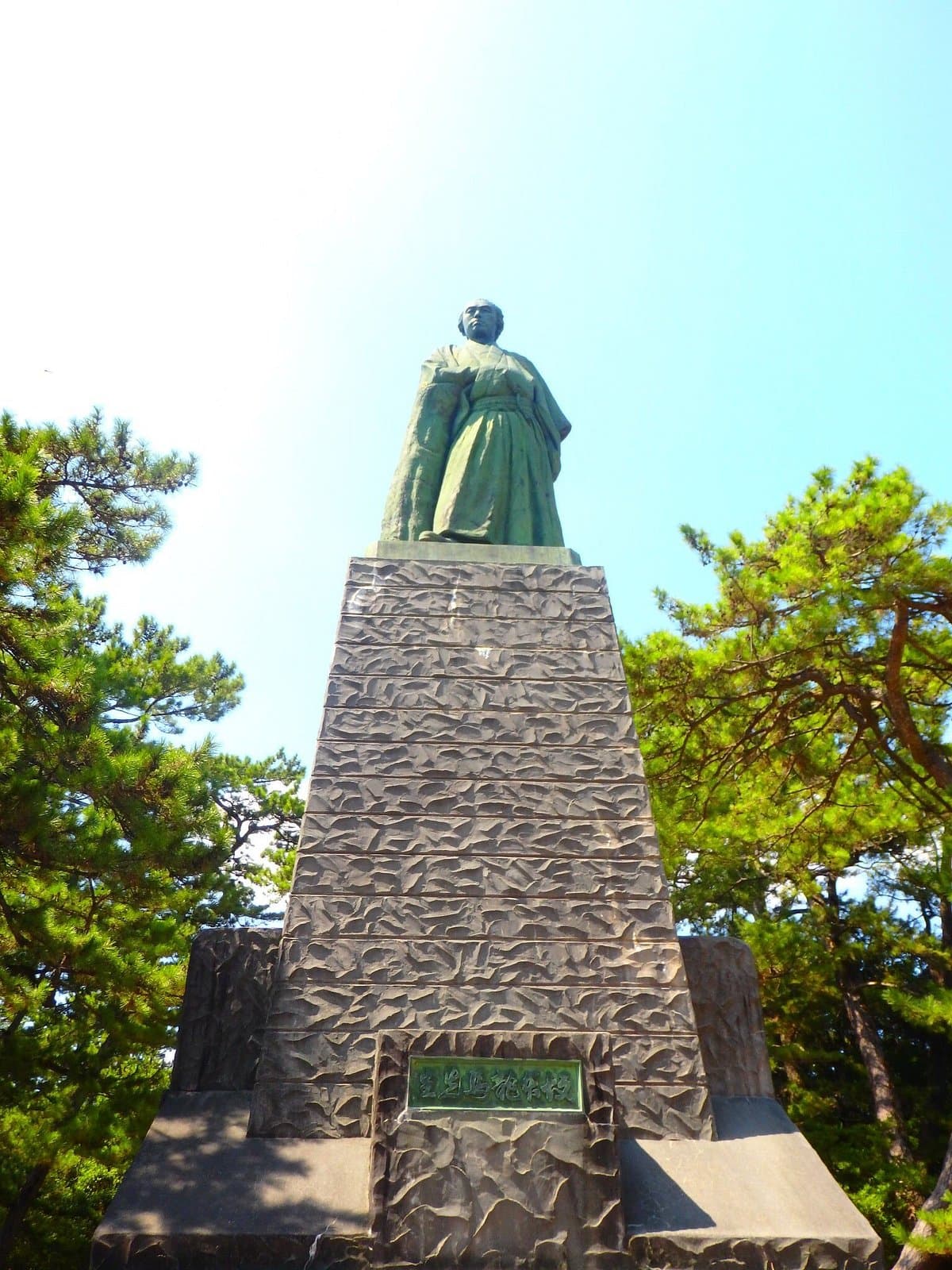
The Sakamoto Ryoma Memorial Museum is dedicated to Sakamoto Ryoma, a low-ranking samurai who played a crucial role in the Meiji Restoration, a period that ended the shogunate and opened Japan to the modern world in the 19th century. The museum showcases his struggles, determination, and contributions through various artifacts and documents, offering insight into a transformative era of Japanese history.
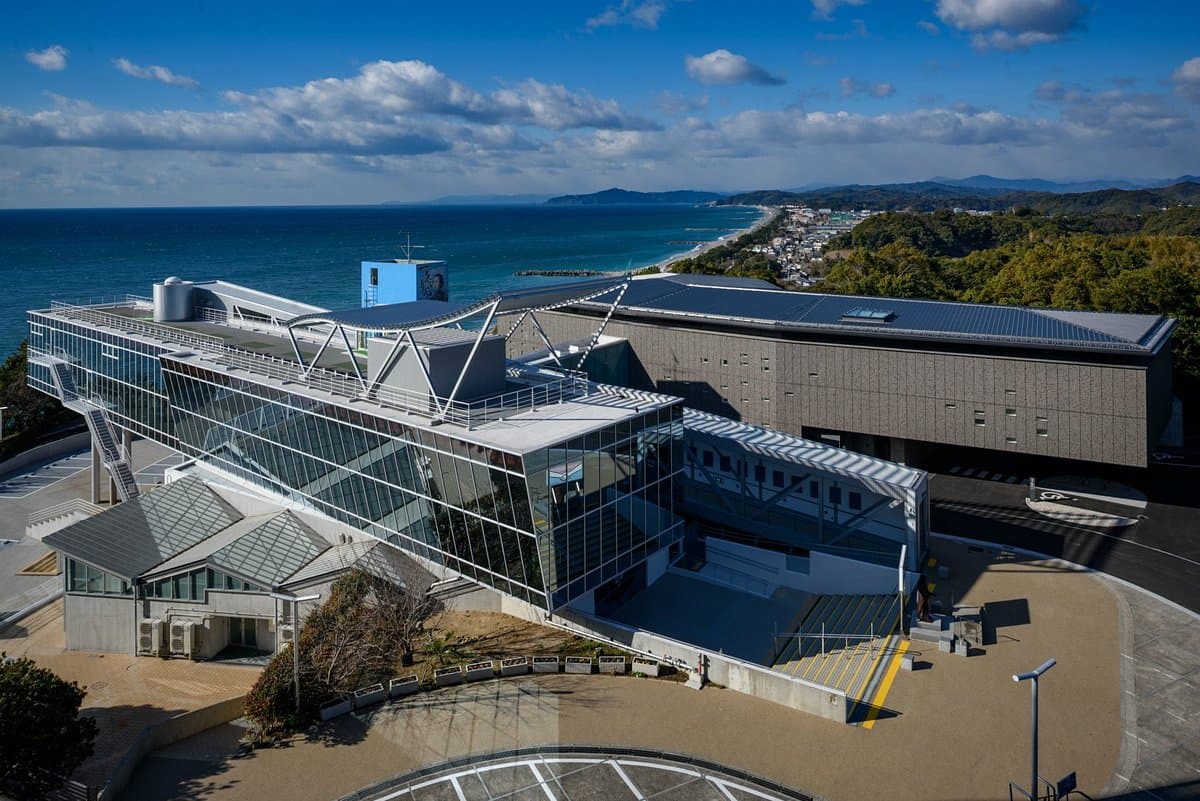
Visitors consistently praise the museum's unique architectural design and the stunning views of the Pacific Ocean available from its rooftop. Many find the opportunity to dress in a kimono a fun and engaging experience, especially for families. For those with a keen interest in Japanese history, particularly the samurai period and the Meiji Restoration, the museum provides a detailed backstory of Ryoma's part in these events. Reviewers also appreciate that, unlike many Japanese museums, this one offers English translations for most displays and a well-documented pamphlet, although some note that a deeper understanding requires Japanese literacy.
To make the most of your visit, allow 1-2 hours. While the museum is generally suitable for both adults and children, younger visitors might find the historical details less engaging without prior context. It's advisable to pick up the English pamphlet at the entrance, as it provides crucial context for the exhibits. The best time to visit is during daylight hours to fully appreciate the ocean views from the rooftop. Consider combining your visit with other attractions in Kochi, as some cruise ship tours include it as part of a broader itinerary.
The museum is located at 830 Urado-shiroyama, Kochi. While specific public transport details are not frequently mentioned in reviews, its inclusion in cruise ship tours suggests accessibility. If driving, check for parking availability. The museum's location overlooking the ocean implies it might be a bit removed from the city center, so planning your route in advance is recommended.
A common complaint among visitors is the limited English information, despite efforts to provide translations. Many documents, such as letters and newspaper articles, are primarily in Japanese, making it difficult for non-Japanese speakers to fully grasp their significance. To mitigate this, rely heavily on the English pamphlet and focus on the visual aspects and the overall narrative presented in the translated sections. The nice view from the top floor and the free Wi-Fi are often highlighted as positive aspects that enhance the visit even if the textual content is challenging.