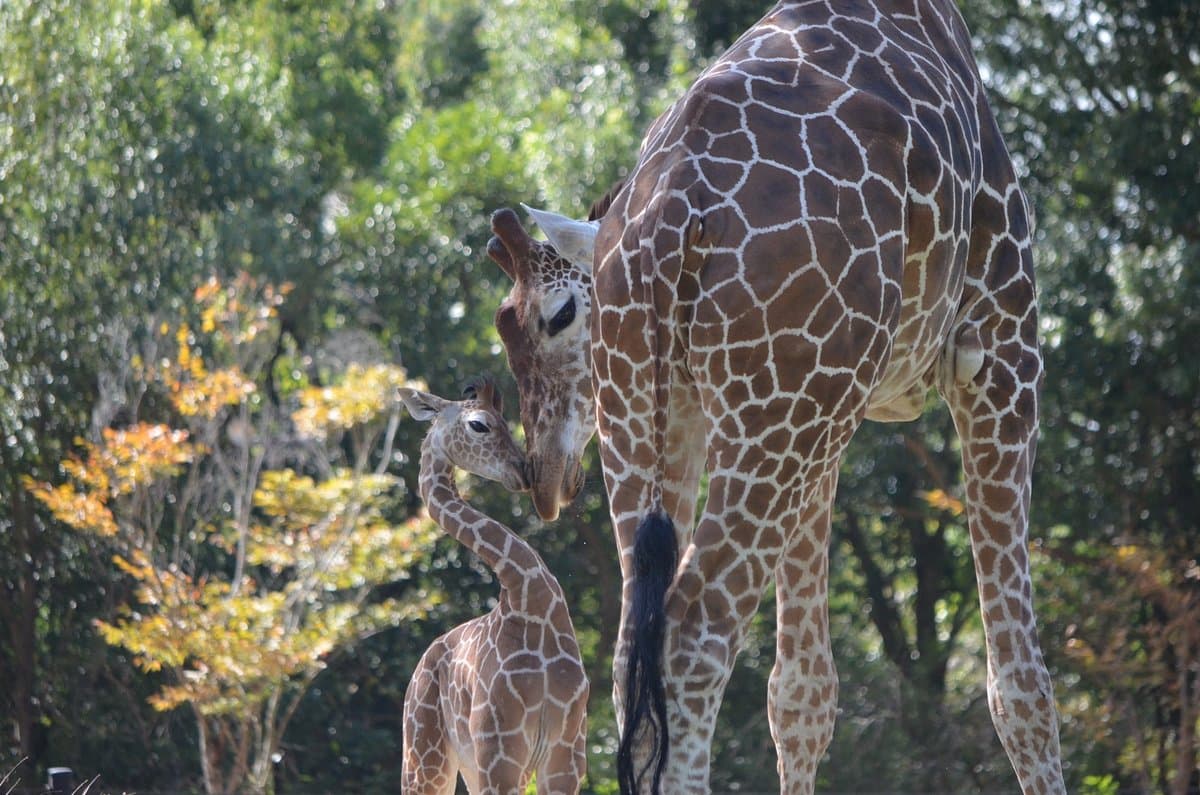
The Noichi Zoological Park of Kochi Prefecture is a well-regarded animal park known for its naturalistic enclosures and family-friendly atmosphere. Unlike many urban zoos, it leverages its mountainous terrain to create spacious habitats where animals appear to thrive, making it a significant regional attraction for both locals and tourists.
Visitors consistently praise the park's layout, noting that it feels spacious and allows for excellent animal viewing without the sense of confinement often found in zoos. Many reviewers highlight the variety of animals and the opportunity to see them interacting, which adds to the engaging experience. Families with young children particularly appreciate the numerous play areas, including an innovative inflated dome trampoline, and the fact that the park is manageable in size for little legs. The presence of shaded routes and tree cover is frequently mentioned as a positive, especially on warmer days.
To make the most of your visit, plan to spend at least half a day, or even a full day if you have children who enjoy the play equipment. Bringing a packed lunch is a popular choice among visitors, as there are ample picnic spots, though a restaurant and food stalls offering local treats like ice cream are also available. While animal names are often in English, most explanations are in Japanese, so consider using a translation app if you want to understand the detailed information. The park is well-suited for all ages, but its design truly shines for families with elementary-aged children or younger.
The park is situated in a lush, mountainous area. Reviews suggest it's about a 10-minute drive down from the Longhe-dong caves. Given its location, driving is often the most convenient way to reach the park. Public transport options might be limited, so checking local bus schedules or considering a taxi from the nearest train station (likely Noichi Station) would be advisable if you're not driving. Parking is available on-site.
A minor complaint from some international visitors is the limited English signage for detailed animal explanations. While animal names are often translated, deeper insights require Japanese proficiency. This can be mitigated by using a smartphone translation app or simply enjoying the visual experience of the animals in their well-designed habitats.