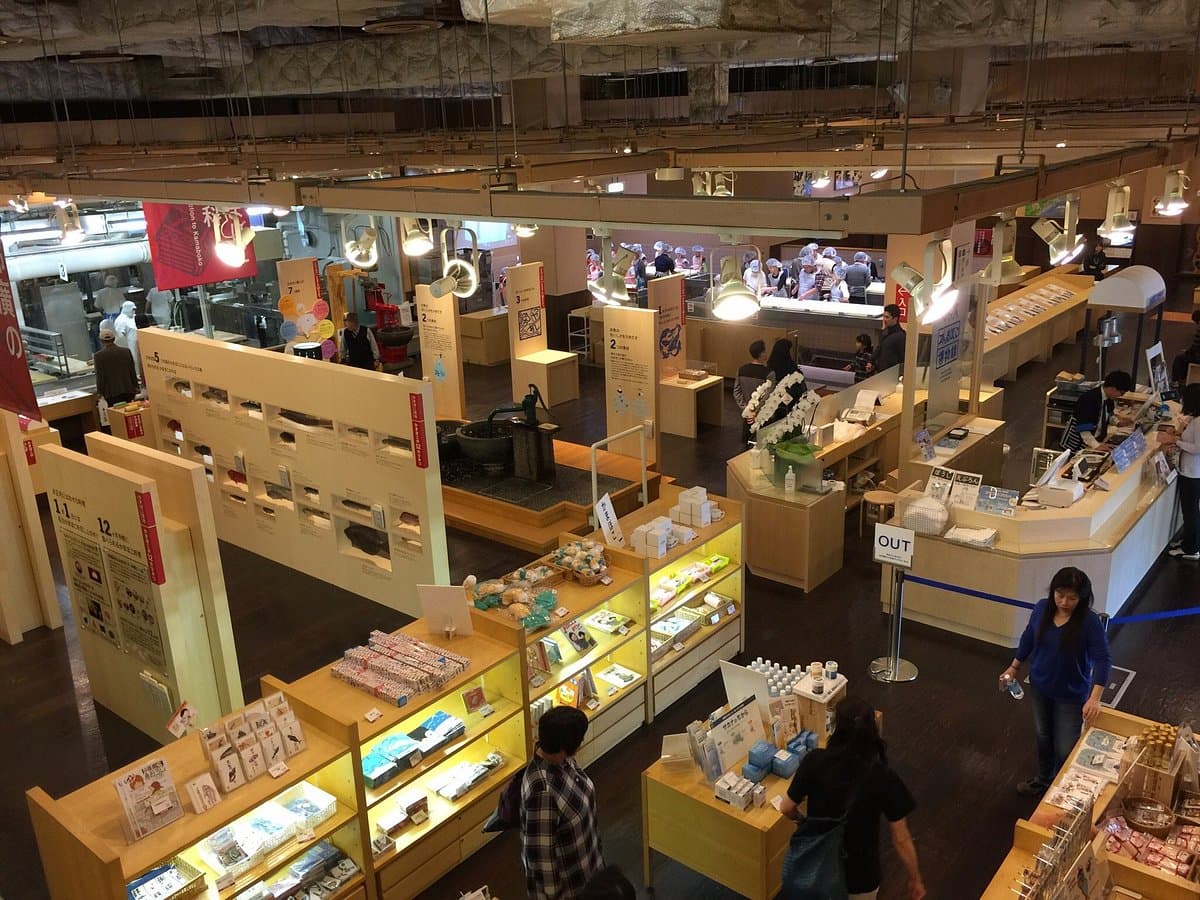
The Suzuhiro Kamaboko Museum, run by the long-established Suzuhiro company founded in 1865, is dedicated to the history, culture, and production of kamaboko, a traditional Japanese fish cake. It offers a unique insight into this often-overlooked but essential part of Japanese cuisine, showcasing its evolution from medieval times to modern production methods. The museum aims to educate visitors about the craftsmanship and science behind kamaboko, making it a distinctive cultural attraction.
Visitors consistently highlight the kamaboko and chikuwa making experiences as the main draw. Many describe it as a fun and engaging activity for both adults and children, noting the satisfaction of creating their own fishcakes. Reviewers appreciate the guidance from the staff, even if the instructions are primarily in Japanese, as monitors often provide visual cues. The museum's cleanliness and spaciousness are also frequently mentioned, along with the impressive kamaboko board art exhibition on the second floor, which showcases the artistic potential of this humble food item. The opportunity for free tastings of various kamaboko types is a popular perk, allowing visitors to sample different flavors before making a purchase.
To make the most of your visit, it's highly recommended to make reservations in advance for the kamaboko-making experience, especially if visiting on a weekend or holiday, as it can get very busy. The experience typically lasts about 30 minutes to an hour. While the classes are primarily in Japanese, visual aids and the hands-on nature make it accessible. Be prepared for a slight fishy smell, which is natural given the product. Many visitors suggest allocating around 1 to 2 hours for the museum and the experience. Don't miss the gift shop, which offers a wide variety of kamaboko products, some unique to the location.
The museum is conveniently located in the Kazamatsuri area of Odawara. It is easily accessible by train; take the Hakone Tozan Railway to Kazamatsuri Station. The museum is just a short walk from the station, with some reviewers noting it's connected or very close to the Suzuhiro Kamaboko Honten. For those driving, there is ample parking available, large enough to accommodate both cars and buses. The local tourist office at Odawara Station can also provide directions in English.
A common complaint from some visitors is the language barrier during the kamaboko-making class, with staff sometimes insisting on Japanese proficiency. While visual instructions help, it's advisable to go with an open mind or a basic understanding of Japanese phrases if you want to fully engage with the verbal instructions. Another point to note is that the museum itself, beyond the experience, might be less engaging for those not deeply interested in fish cake history, though the art exhibition offers a different perspective.