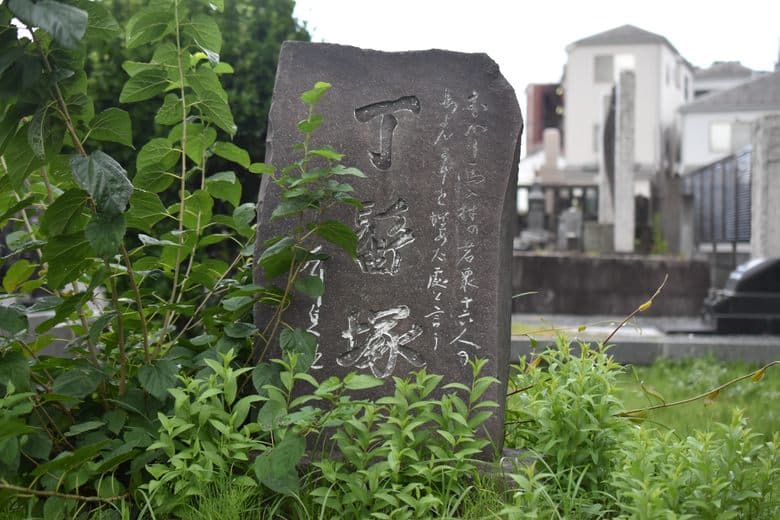
Chonmage-zuka, or the "hair bun mound," is a peculiar historical marker found within the quiet confines of the Renkō-ji temple cemetery in Hiratsuka. It commemorates a local legend about 16 men who, during a heated festival dispute between two shrines, were sentenced to death for throwing a sacred palanquin into a river. Their lives were spared, but their chonmage (traditional hair buns) were cut off instead, symbolizing a symbolic death. While historical documentation is scarce, the mound serves as a tangible link to this intriguing, albeit unverified, tale.
Visitors to Chonmage-zuka often describe it as a very small and easily overlooked site, emphasizing its understated nature. It's not a grand monument but rather a humble mound, which some find adds to its mysterious charm. Reviewers suggest that its appeal lies in the unique story it represents, rather than its visual grandeur. Those interested in unusual local folklore or the more obscure facets of Japanese history will find it most engaging.
To make the most of a visit, it's recommended to research the legend beforehand, as the site itself offers minimal interpretive information. A visit typically takes no more than 15-30 minutes, primarily for locating the mound and reflecting on its story. There are no specific items to bring, but comfortable walking shoes are advisable for navigating the cemetery grounds. The best time to visit is during daylight hours, as the cemetery can be quiet and less accessible after dusk.
Chonmage-zuka is located in the Renkō-ji temple cemetery in Enoki-chō, Hiratsuka City, Kanagawa Prefecture. Hiratsuka Station, served by the JR Tokaido Line, is the nearest major public transport hub. From Hiratsuka Station, the cemetery is accessible via a local bus or a walk, which typically takes around 20-30 minutes depending on your pace. Driving to the cemetery is also an option, and limited parking may be available within or near the temple grounds, though it's best to confirm parking availability beforehand.
A common complaint is the lack of clear signage or prominent features, making the mound somewhat difficult to find within the larger cemetery. To mitigate this, visitors should use a map application or ask for directions at the temple office upon arrival. Managing expectations regarding its size and visual impact is also key; its value is primarily in the story it tells.