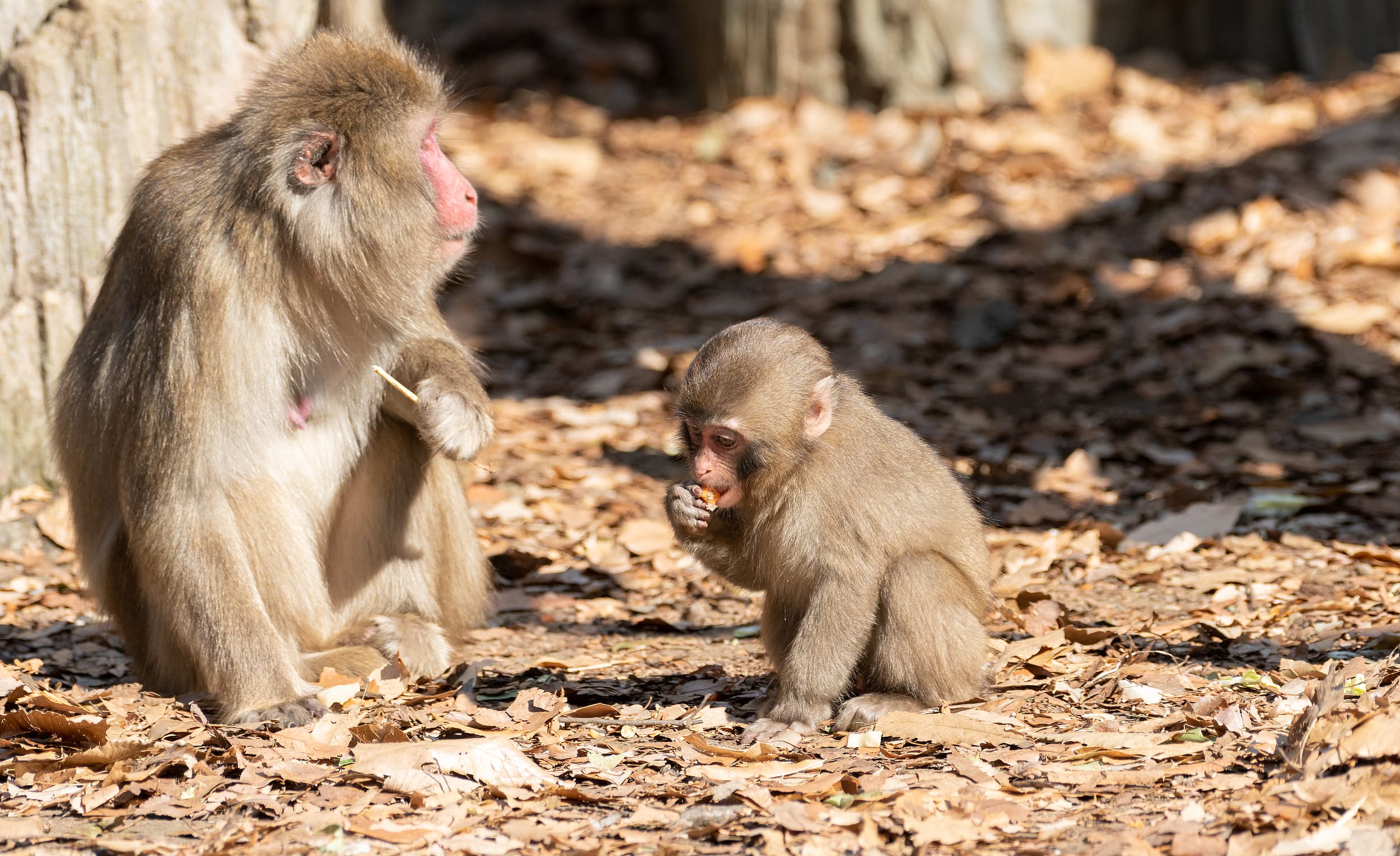
Zoorasia, officially known as Yokohama Zoological Gardens, stands out as one of Japan's premier zoos, renowned for its commitment to creating naturalistic habitats for its diverse animal collection. Unlike traditional zoos with small cages, Zoorasia organizes its exhibits by geographical region and climate, allowing animals to roam in spacious environments that mimic their native homes. This approach not only enhances animal welfare but also provides visitors with a more immersive and educational experience, making it a significant attraction for both local and international tourists.
Visitors frequently highlight the zoo's immense size and the natural settings of the animal enclosures, often noting that it feels more like a safari than a typical zoo. The opportunity to see rare animals like the okapi, clouded leopard, and proboscis monkey is a major draw. Many appreciate the interactive elements, such as feeding times for giraffes, and the engaging explanations provided by zookeepers during 'special time' events. The African Savannah zone, in particular, receives consistent praise for its expansive layout and the chance to observe animals like zebras and giraffes in a shared habitat. Families with children particularly enjoy the numerous play areas and the overall clean, well-maintained environment.
To make the most of your visit, plan for a full day, as the zoo is very large and requires considerable walking. Reviewers suggest arriving in the morning to enjoy the park before it gets too crowded and to have ample time to explore. Bringing your own food and drinks is a common recommendation, as there are many picnic areas, though restaurants and snack bars are also available. Consider renting a stroller for small children due to the extensive walking. While the zoo is enjoyable in all seasons, some tropical animals might not be exhibited during colder months. Check the schedule for bird shows and feeding times, as these are often cited as highlights.
Zoorasia is not directly accessible by train, requiring a bus connection from nearby stations. From Yokohama Station, take the Sotetsu Line to Tsurugamine Station or Nakayama Station, then transfer to a local bus directly to the zoo. Buses depart frequently, but it's advisable to check schedules, especially for the return journey. For those driving, ample parking is available at the entrance. Be aware that the journey from central Yokohama or Tokyo can take up to two hours by public transport, so factor this into your travel plans.
A common complaint among visitors is the sheer size of the zoo, which can be tiring, especially for young children or those with mobility issues. To mitigate this, reviewers recommend utilizing the paid shuttle bus service available within the park, particularly for the return trip to the entrance after a long day of walking. Another point raised is that some tropical animals might be less active or not on display during colder weather; visiting during warmer months can enhance the viewing experience for these species. While the park can get crowded on weekends, its vastness generally allows for a comfortable experience, though popular exhibits might have more people.