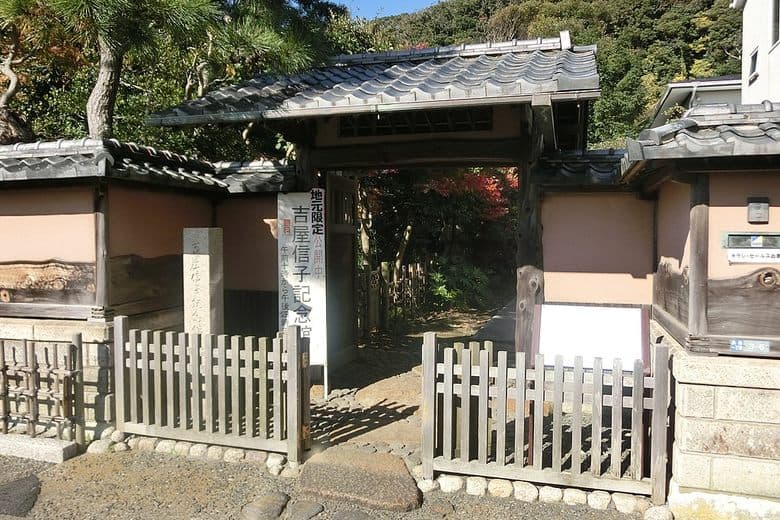
The Yoshiya Nobuko Memorial Museum is the former residence of Yoshiya Nobuko, a celebrated and prolific Japanese novelist from the early 20th century, known for her pioneering work in Japanese lesbian literature. The museum preserves her legacy by showcasing her personal effects, manuscripts, and the house itself, which she built for herself and her lifelong partner, Monma Chiyo. It offers a unique window into the life of a significant cultural figure and the social context of her time.
Visitors consistently appreciate the preserved atmosphere of the house, noting that many rooms retain Yoshiya's original furniture and artwork, making it feel as though she has just stepped out. The tranquil garden, featuring maple and elm trees, is frequently praised as an oasis of calm, providing a peaceful contrast to the city's hustle. The collection of handwritten manuscripts and photographs offers a deeper understanding of her literary contributions and personal life, appealing to those interested in Japanese literature and social history.
To make the most of a visit, it's recommended to allocate about 1-2 hours to explore the house and garden thoroughly. Since the museum's opening hours are highly restricted, checking the specific dates of operation before planning your trip is crucial. It is only open on select Saturdays and Sundays in April, May, June, October, and November, as well as during Golden Week. Bringing a camera is advisable for capturing the beauty of the garden, but visitors should be mindful of any photography restrictions inside the house. As entry is free, it's a budget-friendly option for those interested.
The museum is conveniently located in Kamakura, approximately a 10-minute walk from the Kamakura Literary Museum. For those arriving by public transport, Kamakura Station is a major hub accessible via the JR Yokosuka Line. From the station, visitors can take a local bus or enjoy a pleasant walk through the city to reach the museum. Driving is also an option, though parking in Kamakura can be limited, so public transport is often recommended.
The primary complaint or challenge for visitors is the extremely limited operating schedule. To mitigate this, prospective visitors must consult the official schedule well in advance and plan their Kamakura itinerary around these specific dates. Failure to do so will result in finding the museum closed.