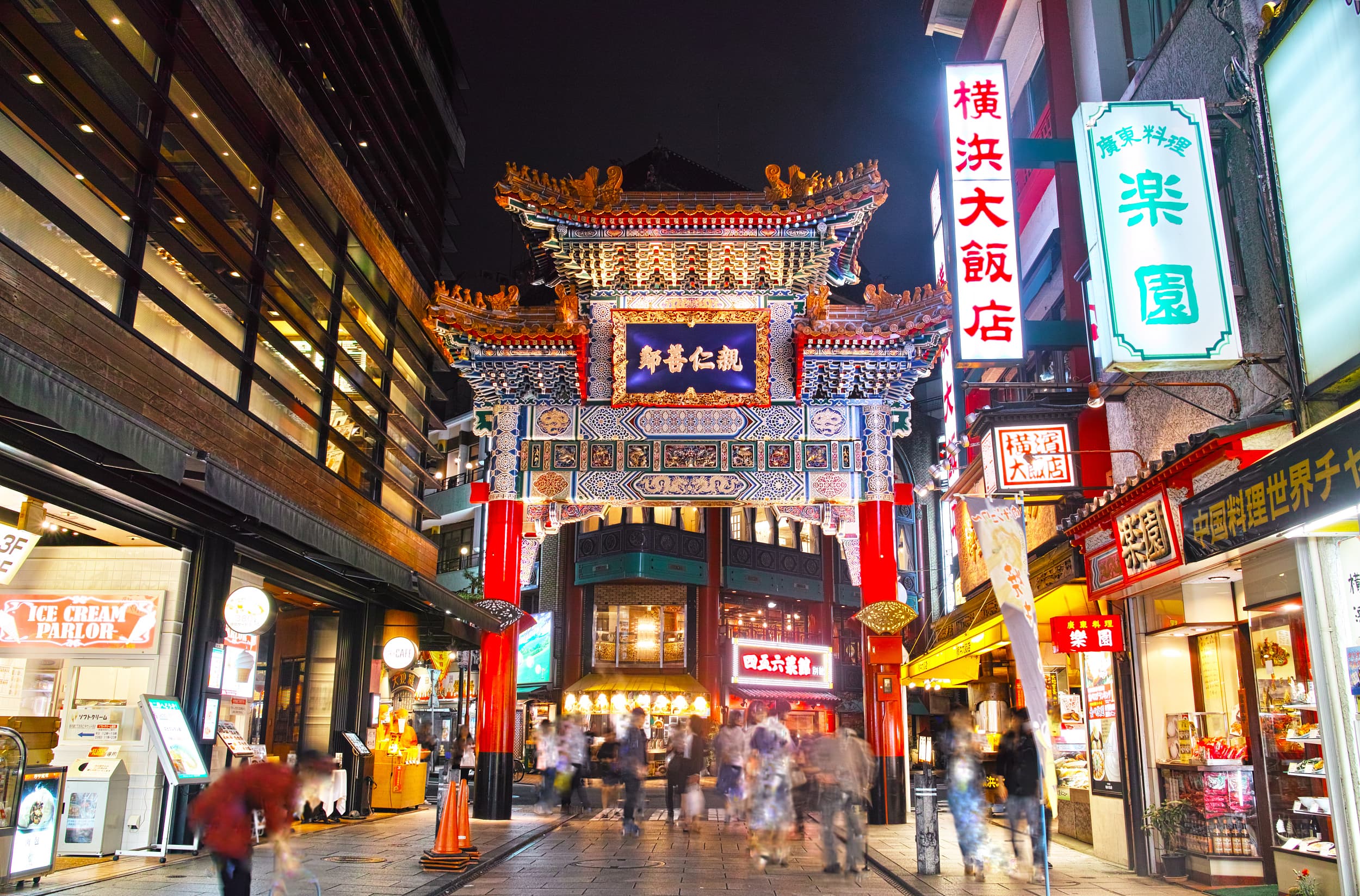
Yokohama Chinatown stands as the largest Chinatown in Japan and one of the largest in the world, a testament to a rich history spanning over 150 years. It's not merely a collection of shops and restaurants but a vibrant cultural district, distinguished by its ornate gates, traditional architecture, and a palpable Chinese atmosphere that contrasts with the surrounding Japanese cityscape. It serves as a significant cultural hub, attracting millions of visitors annually, surpassing even some of Japan's most famous theme parks in visitor numbers.
Visitors consistently praise the district's lively ambiance, especially in the evenings when lanterns illuminate the streets, creating a festive and colorful spectacle. The sheer variety of food is a major draw, with hundreds of restaurants offering diverse regional Chinese cuisines, from Cantonese to Sichuan, alongside numerous street food stalls. Popular items include xiao long bao, panda buns, fried chicken, and various dumplings. Many reviewers highlight the clean and safe environment, a common observation that sets it apart from some other Chinatowns globally. The area is also noted for its unique shopping opportunities, including souvenir shops, tea houses, and even fortune-telling parlors.
To make the most of a visit, come hungry and be prepared to explore. Many visitors recommend trying street food from various stalls rather than committing to a single restaurant, especially for those who want to sample a wide range of flavors. Look for places with long queues, as these often indicate popular and delicious options, though some reviewers suggest that smaller, less crowded side-street vendors can offer equally good food at better prices. It's advisable to allocate at least 2-3 hours to wander through the main streets and smaller alleys. Weekends and evenings are particularly busy, offering a more vibrant atmosphere but also more crowds. For a quieter experience, visit on a weekday morning, though many shops and restaurants don't open until 10 or 11 AM. Bringing cash can be useful for smaller street vendors, though many establishments accept cards.
Yokohama Chinatown is easily accessible by public transport. The most convenient option is to take the Minatomirai Line to Motomachi-Chukagai Station (Exit 1), which places you directly at the entrance to Chinatown. Alternatively, JR Ishikawacho Station is also within a short walking distance. For those coming from Tokyo, a direct train ride typically takes 40-60 minutes. The area is very walkable, and exploring on foot is the best way to soak in the atmosphere. Driving is generally not recommended due to heavy traffic and limited, often expensive, parking options, though some coin parking lots exist, visitors warn to check maximum daily rates carefully.
While generally praised, some visitors find the area to be overly touristy, with some shops selling similar items and a perceived lack of 'authenticity' compared to Chinatowns in other major cities or China itself. A few reviewers also reported disappointing dining experiences, particularly with all-you-can-eat buffets, suggesting that quality can vary. To mitigate this, avoid restaurants that aggressively solicit customers and instead seek out establishments with positive reviews or visible queues of locals. Be aware that during peak times, such as weekends or holidays like Lunar New Year, the crowds can be overwhelming, making navigation challenging. Some visitors also note that while English menus are available in many places, communication can still be a barrier with some vendors.