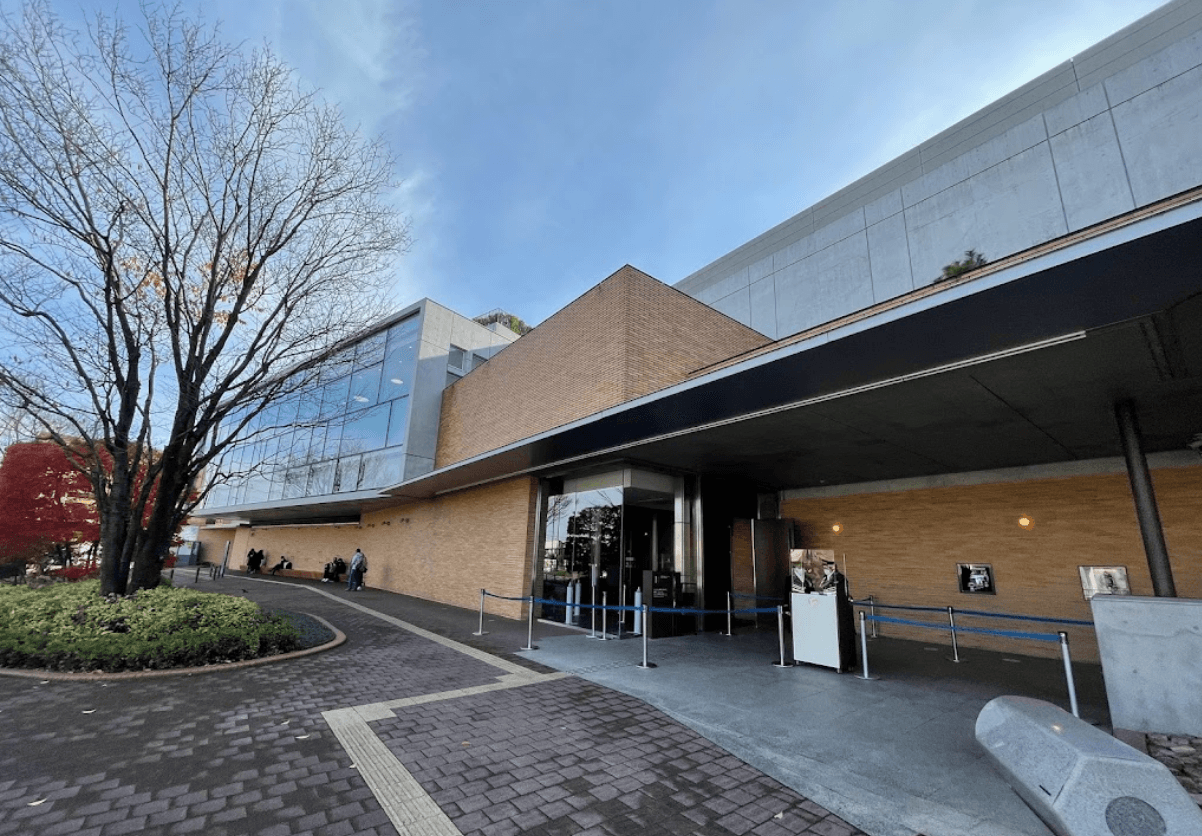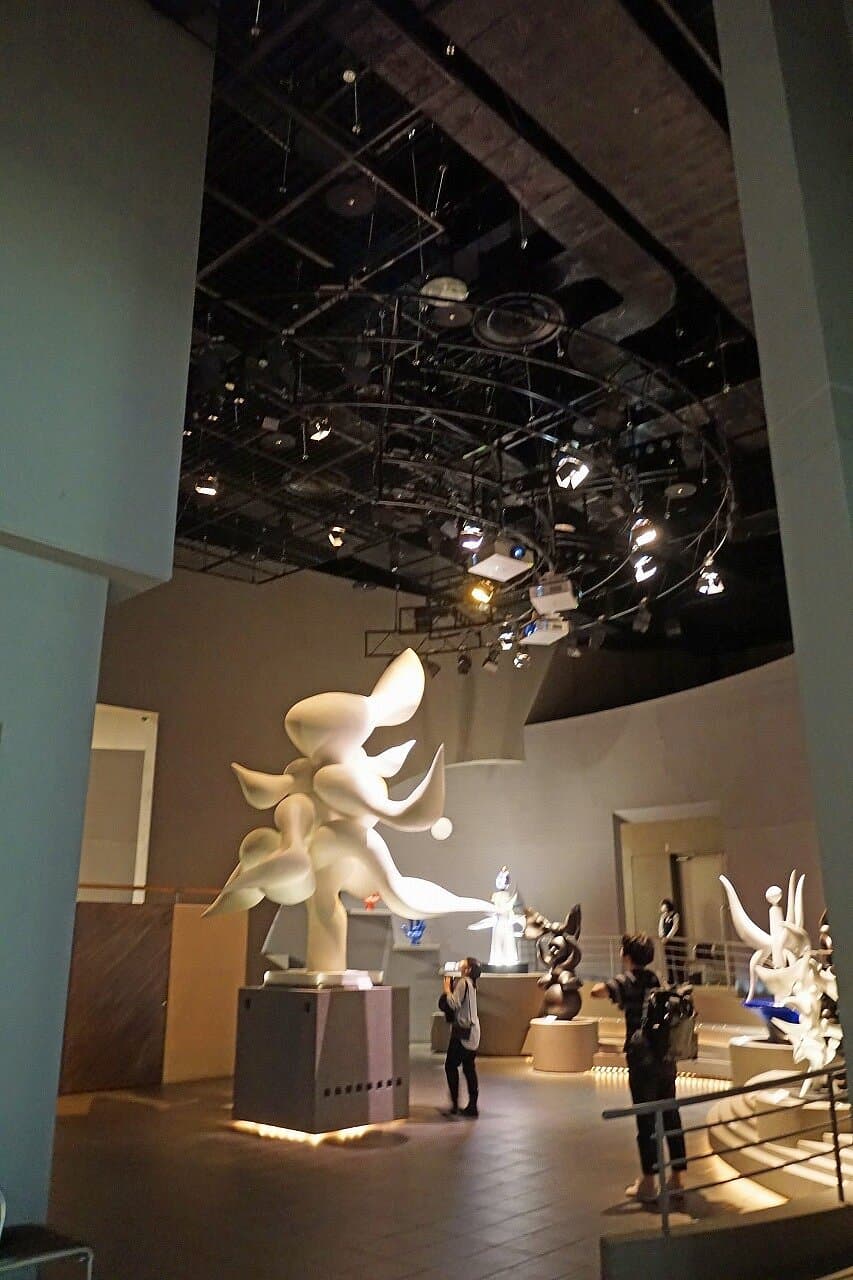
The Taro Okamoto Museum of Art is a significant cultural institution dedicated to preserving and exhibiting the works of Taro Okamoto, one of Japan's most influential avant-garde artists of the 20th century. Known for his bold, often surreal, and highly symbolic creations, Okamoto's art explores themes of Japanese identity, mythology, and the human condition. The museum serves as a comprehensive introduction to his life and artistic process, making it a key destination for understanding modern Japanese art.
Visitors frequently commend the museum for its extensive collection, which includes paintings, sculptures, and original sketches, providing a thorough overview of Okamoto's career. Many reviewers highlight the powerful and unique worldview expressed in his art, describing it as 'exploding' with energy and emotion. Even those who are not typically fond of interpretive art often find themselves fascinated by Okamoto's history and his passion for art, suggesting that the museum successfully conveys the artist's spirit beyond just his individual pieces. The museum's setting within the beautiful Ikuta Ryokuchi Park is also a recurring positive point, enhancing the overall visitor experience.
To make the most of your visit, allocate approximately 2-3 hours to fully explore the exhibitions and the surrounding park. While the museum itself is not overly large, the depth of Okamoto's work warrants careful consideration. Consider visiting during off-peak hours to enjoy a more contemplative experience. Reviewers suggest that fans of Okamoto will particularly enjoy the visit, but even those new to his work often find it engaging. Keep an eye out for potential discounts, such as showing a planetarium ticket, as mentioned by one visitor.
The museum is conveniently located within Ikuta Ryokuchi Park. From Shinjuku Station, take the Odakyu express train to Mukogaoka-Yuen Station, which is about a 25-minute ride. From Mukogaoka-Yuen Station, the museum is approximately a 25-minute walk. Reviewers specify a 19-minute walk south from the station. The walk through the park is generally pleasant. While public transport is recommended, driving might be an option for those with a car, though parking availability should be checked in advance.
A common observation is that while the museum is rich in content, some visitors who are not accustomed to interpretive art might find certain pieces challenging. However, the museum's presentation of Okamoto's life and artistic philosophy often helps bridge this gap. There are no significant complaints regarding the museum itself, but visitors should be aware that the museum is scheduled to close in March 2026 for approximately three years for renovations, so plan your visit accordingly before this period.