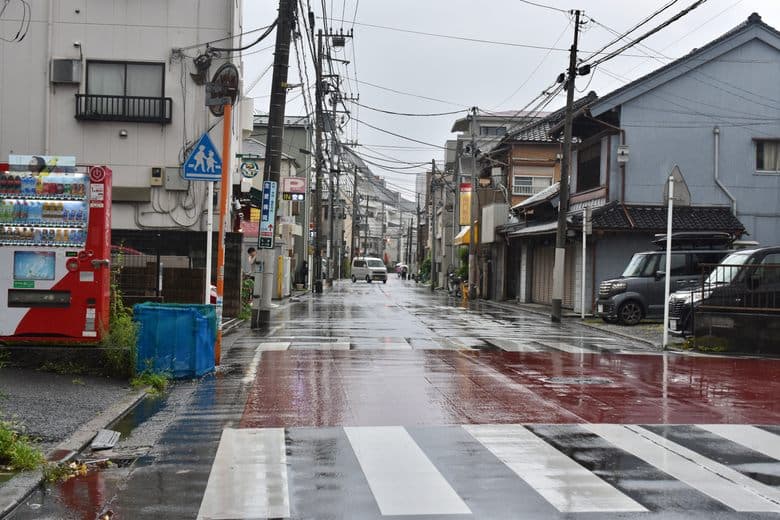
The Site of the Namamugi Incident is a historically significant location in Yokohama, marking the spot where Charles Lenox Richardson, a British merchant, was killed by samurai in 1862. This event, occurring during the final years of the Tokugawa shogunate, escalated into the Anglo-Satsuma War and is widely recognized as a catalyst for Japan's rapid modernization and the end of its feudal period. It represents a crucial intersection of Japanese tradition and Western influence, fundamentally altering the course of the nation's history.
Visitors consistently note that the site itself is visually understated, marked only by a simple stone stele on a street. It is not a grand monument or a museum, but rather a quiet, reflective spot for those who appreciate its historical weight. Reviewers emphasize that the value of visiting this site lies in its historical context rather than its visual appeal. It's often described as a place for history buffs who wish to connect with a specific, pivotal moment in time, rather than for general tourists seeking picturesque scenery.
For those planning a visit, it's advisable to allocate a short amount of time, perhaps 15-30 minutes, primarily for reflection and reading the informational plaque. There are no facilities or extensive exhibits. It's recommended to combine a visit here with other historical sites in Yokohama, such as the Yokohama Foreign General Cemetery where Richardson is buried, to create a more comprehensive historical tour. Bringing a guidebook or having prior knowledge of the incident will significantly enhance the experience, as the site offers minimal on-site interpretation beyond the marker itself.
The site is located in a residential area of Yokohama. While specific public transport lines are not frequently mentioned in reviews, Yokohama is well-served by trains. Visitors can typically reach the general area by taking a train to a nearby station and then walking. Given its location on a street, it is accessible by foot from local public transport stops. Driving is an option, but parking might be limited in the residential streets.
A common complaint among visitors is the lack of visual impact and the potential for disappointment if one expects a more elaborate historical attraction. To mitigate this, set expectations appropriately: understand that you are visiting a simple marker of a profound event, not a grand historical park. Focus on the historical narrative rather than the physical surroundings.