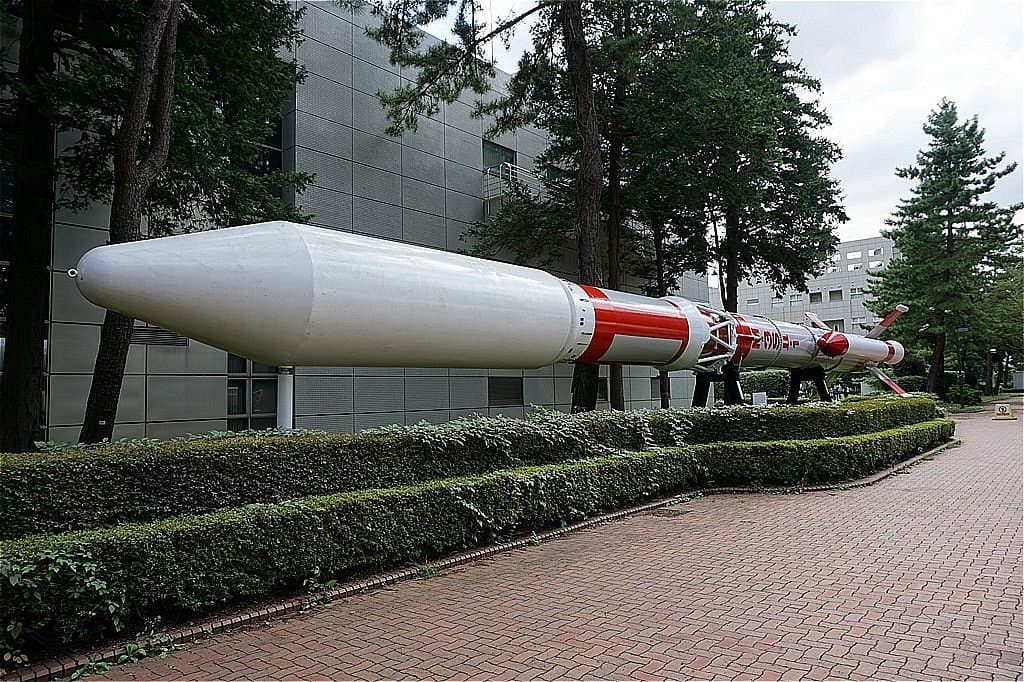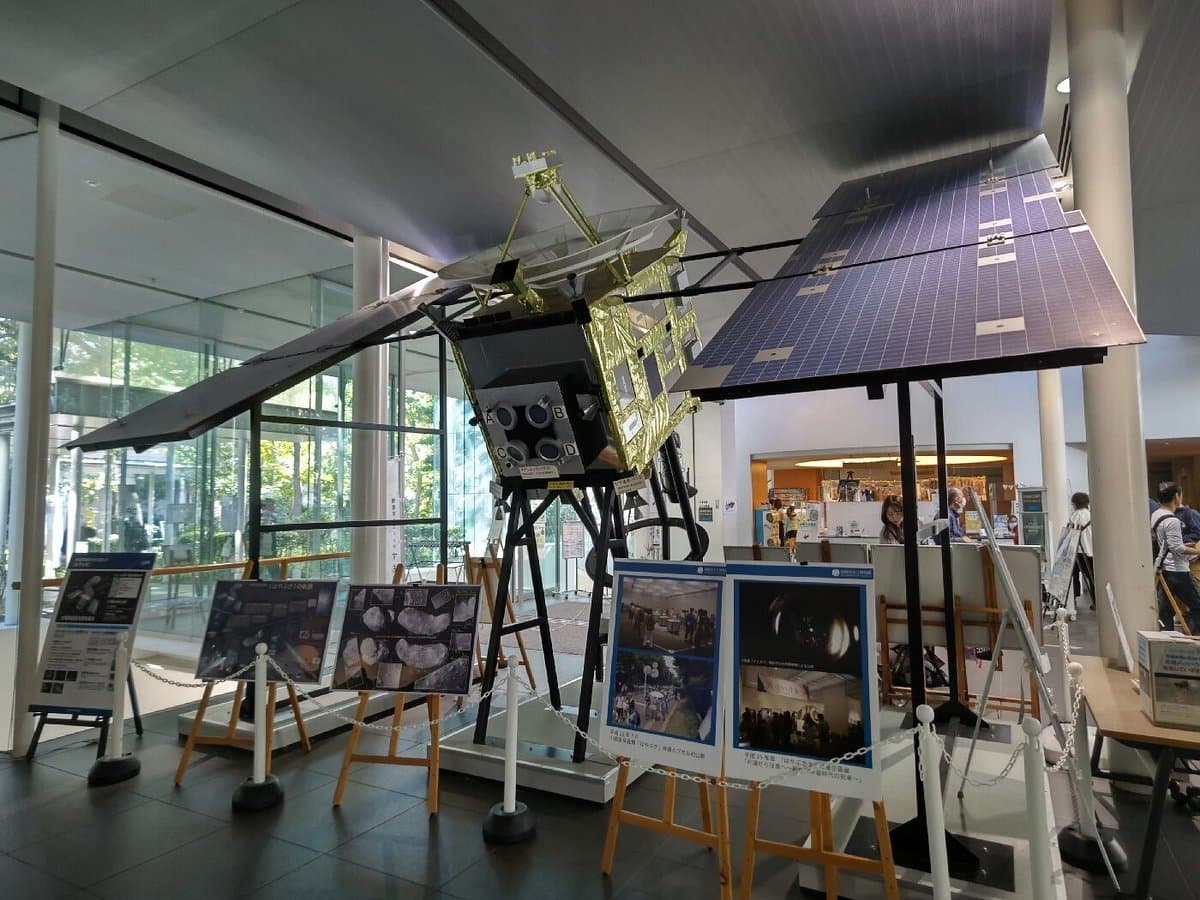
The Sagamihara City Museum serves as a cultural hub, showcasing the history and natural environment of the Sagamihara region, alongside exhibits related to space exploration, largely due to its proximity to the Japan Aerospace Exploration Agency (JAXA). It provides a comprehensive look at the area's development over time, from ancient Jomon pottery to modern scientific advancements.
Visitors consistently praise the museum for its free admission to the main exhibits and the well-maintained, organized displays. Many highlight the engaging space-related content, particularly the Hayabusa 2 exhibit, and the opportunity to see unique items like related manholes and manhole cards. The planetarium is a popular feature, described as relatively large and offering enjoyable shows, though some note it primarily features all-sky movies. The museum's family-friendly atmosphere is also a recurring theme, with interactive elements like touching Jomon pottery being particularly well-received.
For a fulfilling visit, allocate about 2-3 hours to explore the main exhibits and potentially catch a planetarium show. While the museum is primarily in Japanese, several reviewers mention still enjoying the experience, suggesting that visual displays are engaging enough. Bringing your own lunch is a good idea, as the second floor has an eating area with vending machines. Consider visiting on a weekday to avoid potential crowds, especially if you plan to visit JAXA on the same day.
The museum is conveniently located right next to JAXA, making it an ideal combined visit. It offers free parking, which is a significant advantage for those traveling by car. For public transport, the museum is accessible from Fuchinobe Park, and its proximity to JAXA suggests bus routes serving the JAXA facility would also be suitable for reaching the museum. Always check local bus schedules for the most current information.
A common complaint among international visitors is the lack of English translations for the exhibits. While the visual nature of many displays allows for some understanding, those seeking deeper insights into the historical and scientific content might find the language barrier challenging. To mitigate this, consider using a translation app on your phone for key information or focusing on the visual aspects and the planetarium show, which is often appreciated regardless of language.