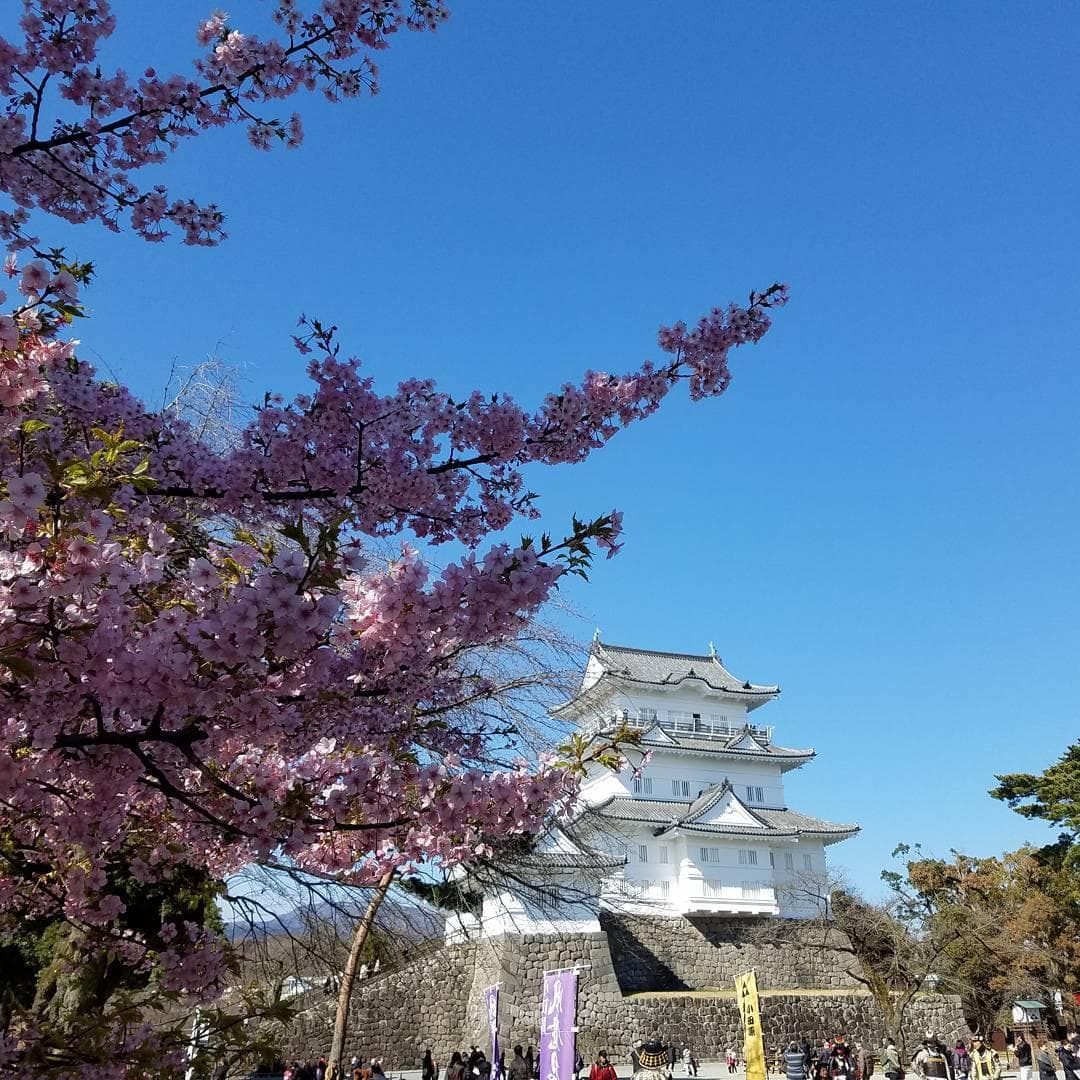
Odawara Castle stands as a significant historical landmark, once the formidable stronghold of the Hojo clan during Japan's Warring States period. Though the current structure is a 1960 reconstruction, it faithfully recreates the grandeur of the original, serving as a vital cultural and historical center in the southern Kanto region. It's particularly notable for its strategic location between Edo (Tokyo), Hakone, and the Izu Peninsula, making it an important stop on the ancient Tokaido road.
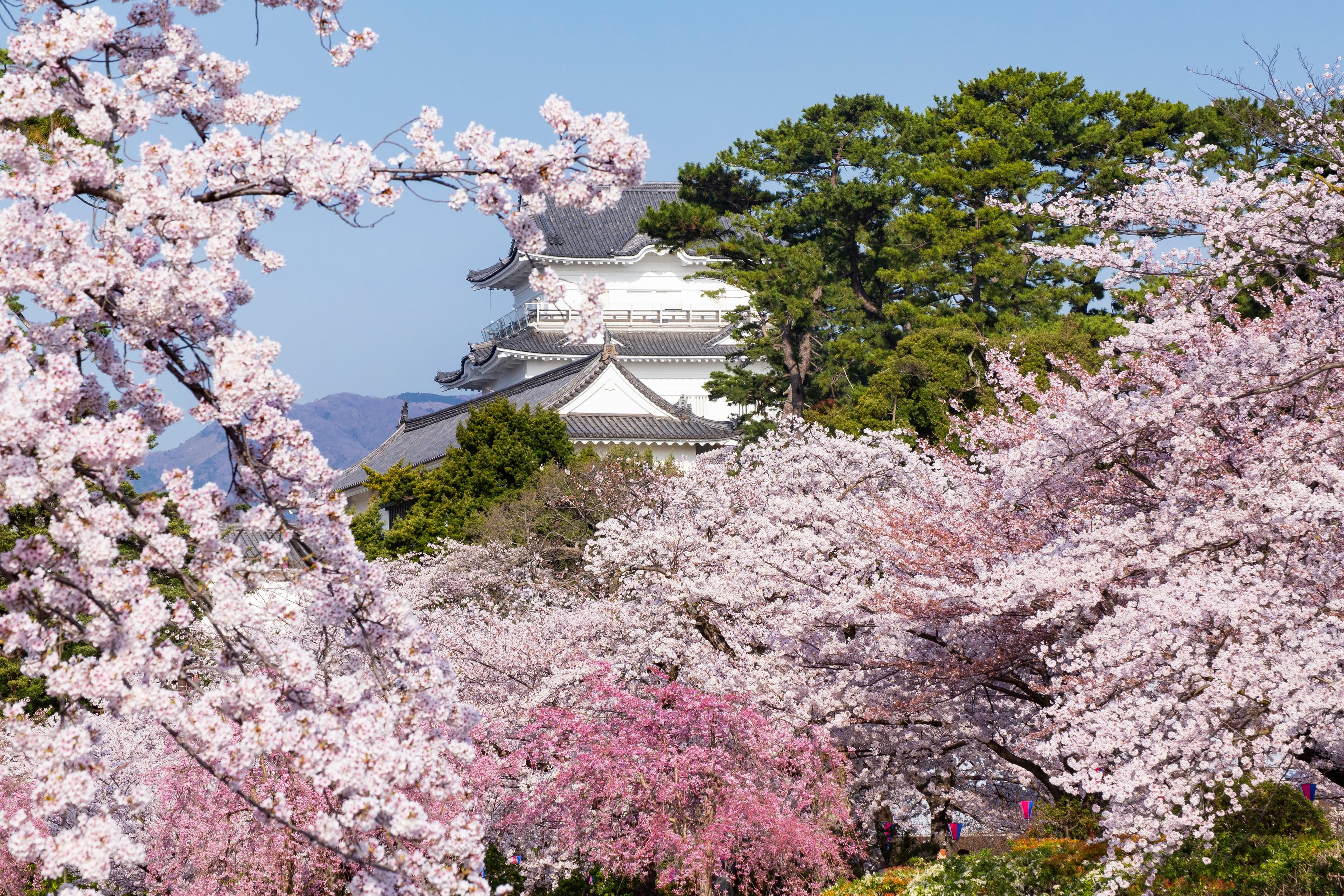
Visitors consistently praise the castle's beautiful grounds and the stunning views from the top of the keep. Many reviewers highlight the pleasant walk through the park, especially during cherry blossom season, and the opportunity to see Sagami Bay, the Izu Peninsula, and even Mount Fuji on clear days. The interior museum, while some find it a bit dry, is generally appreciated for its historical exhibits on the Hojo clan and the castle's past. Families often enjoy the interactive elements like the ninja and samurai museums, and the chance to dress up in traditional costumes. The convenience of its location, just a short walk from Odawara Station, is a recurring positive theme.
To make the most of your visit, allocate 1 to 3 hours. Many suggest visiting in spring for the cherry blossoms or in autumn for the fall foliage, though the castle is picturesque year-round. Reviewers recommend climbing to the top of the castle tower for the best panoramic views. While the museum inside the main keep offers historical context, some visitors find the samurai and ninja exhibits more engaging, especially for children. Consider purchasing a combo ticket if you plan to visit multiple attractions within the castle grounds. Bring comfortable shoes as there is a fair amount of walking and stairs, particularly to reach the top of the keep. Hydration is also advisable, especially during warmer months.
Odawara Castle is exceptionally easy to reach. It's approximately a 10-15 minute walk from Odawara Station, which is a major transportation hub accessible by Shinkansen (bullet train) from Tokyo (about 25-38 minutes) and local lines. Many visitors use it as a convenient stopover when traveling to or from Hakone. Reviewers advise taking the main route from the station, which allows you to experience the full scale of the castle grounds and its gates, rather than a shortcut. If driving, there are parking lots available nearby, though public transport is highly recommended due to the castle's proximity to the station.
A common complaint among some visitors is that the castle is a modern reconstruction, which can detract from the sense of historical authenticity for those expecting an original structure. Additionally, some find the museum exhibits inside the main keep to be somewhat limited in English translation or not as engaging as other Japanese castles. To mitigate this, focus on the exterior beauty, the expansive grounds, and the panoramic views. For deeper historical context, consider a guided tour or doing some research beforehand. If the main museum isn't captivating, the interactive ninja and samurai experiences might offer a more entertaining alternative.