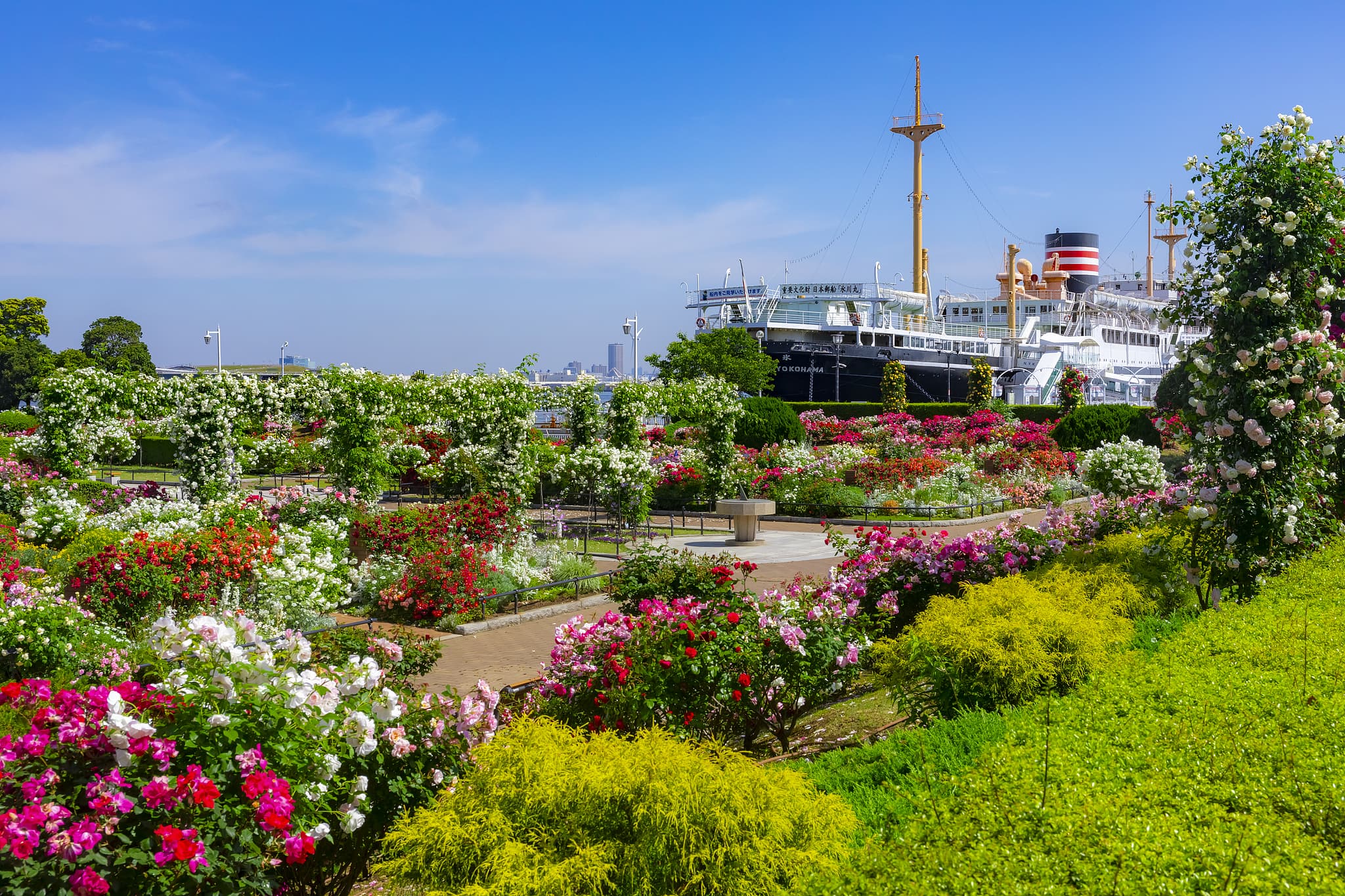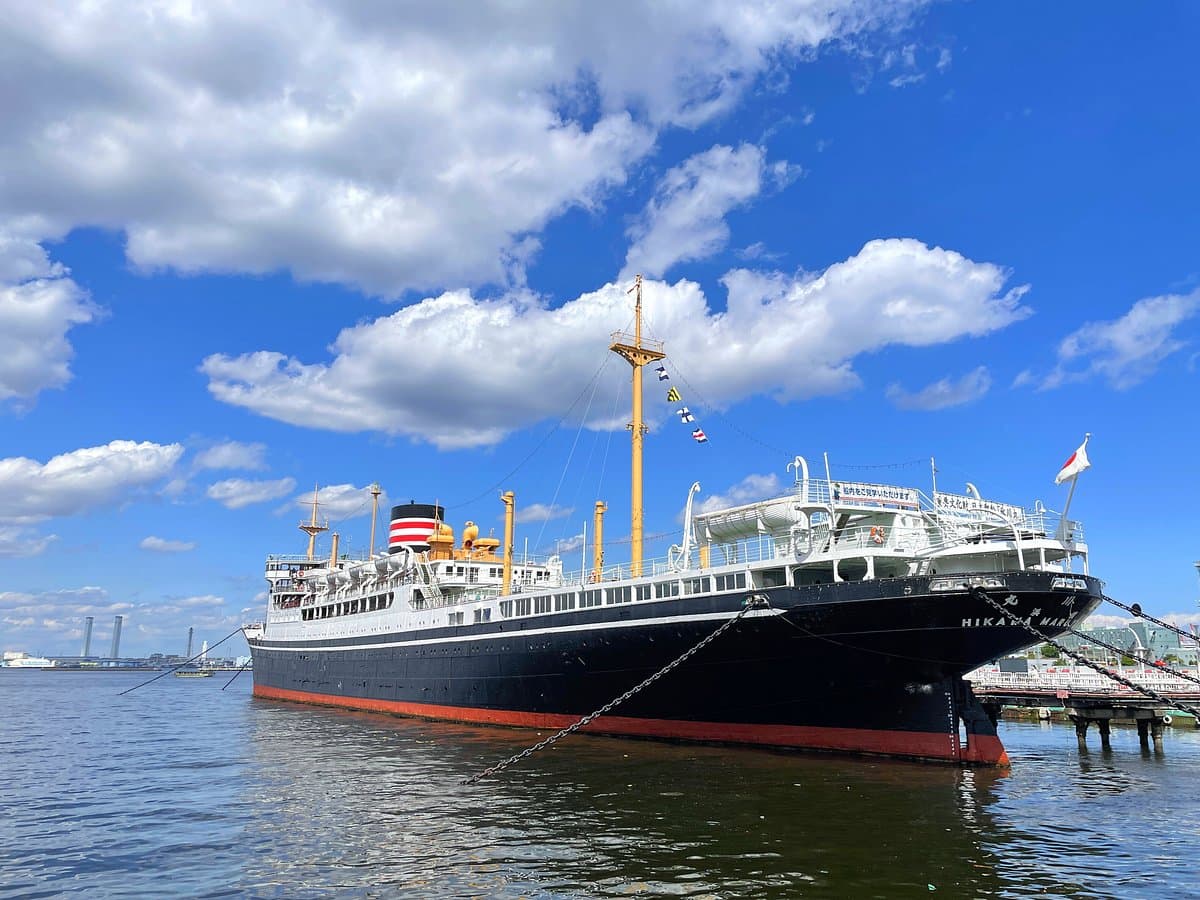
The NYK Hikawamaru is a meticulously preserved ocean liner launched in 1930, serving as a luxury passenger ship between Japan and Seattle before being repurposed as a hospital ship during World War II. Today, it stands as an important cultural asset and a fascinating museum ship docked permanently at Yamashita Park in Yokohama, offering visitors a unique window into a bygone era of trans-Pacific travel and maritime history.
Visitors consistently praise the ship's excellent preservation and the immersive experience it provides. Many highlight the opportunity to explore various sections, from the opulent first-class areas with their Art Deco interiors to the functional engine room and the captain's bridge, where one can even try Morse code. The detailed English explanations throughout the ship are frequently mentioned as a significant plus, making the history accessible to international guests. Reviewers often note the ship's rich history, including its connection to famous passengers like Charlie Chaplin, and its dual role as a luxury liner and a hospital ship, which adds depth to the visit.
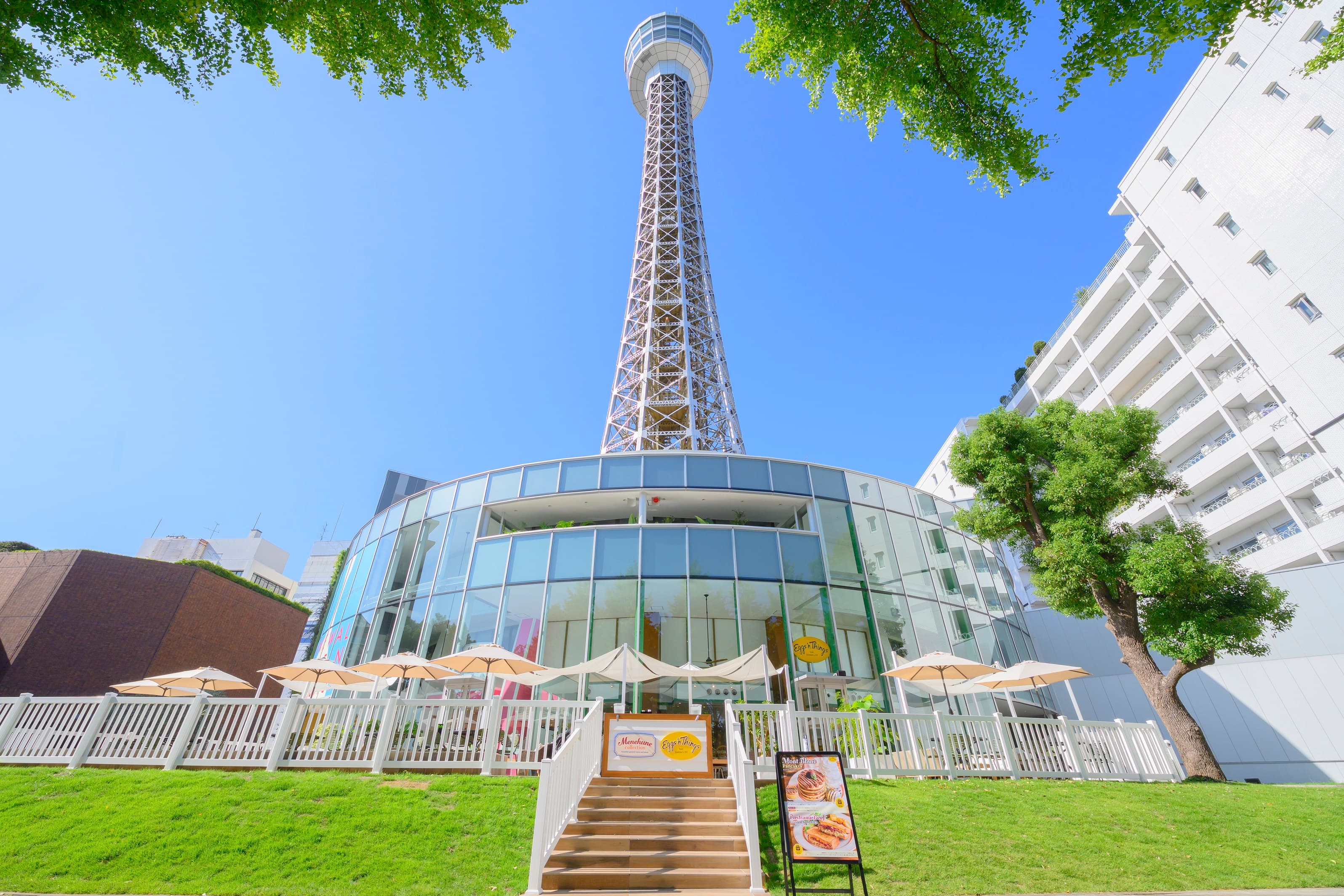
For a rewarding visit, plan to spend 1 to 2 hours exploring the ship. Many recommend watching the short documentary film about the ship's history, available with English subtitles, before starting the self-guided tour to fully appreciate its significance. Several reviewers suggest combining the visit with a walk through Yamashita Park or a trip up the Marine Tower, especially since combo tickets are sometimes available. It's advisable to wear comfortable shoes as there are multiple decks and stairs to navigate. Some visitors mention low ceilings in certain areas, so taller individuals should watch their heads.
The NYK Hikawamaru is conveniently located at the eastern end of Yamashita Park. It's a reasonable walk from the main Yokohama cruise ship terminal and easily accessible from various points in Yokohama. Public transport users can reach Yamashita Park via the Minatomirai Line (Motomachi-Chukagai Station) or JR Negishi Line (Ishikawacho Station), followed by a pleasant walk along the waterfront. The ship is clearly visible and well-signposted within the park.
While generally well-received, a minor complaint from some visitors is that not all parts of the ship are accessible, though the designated tour route covers the most significant areas. To mitigate this, focus on the available sections, which are extensive and well-curated, and take your time to absorb the details and historical context provided.