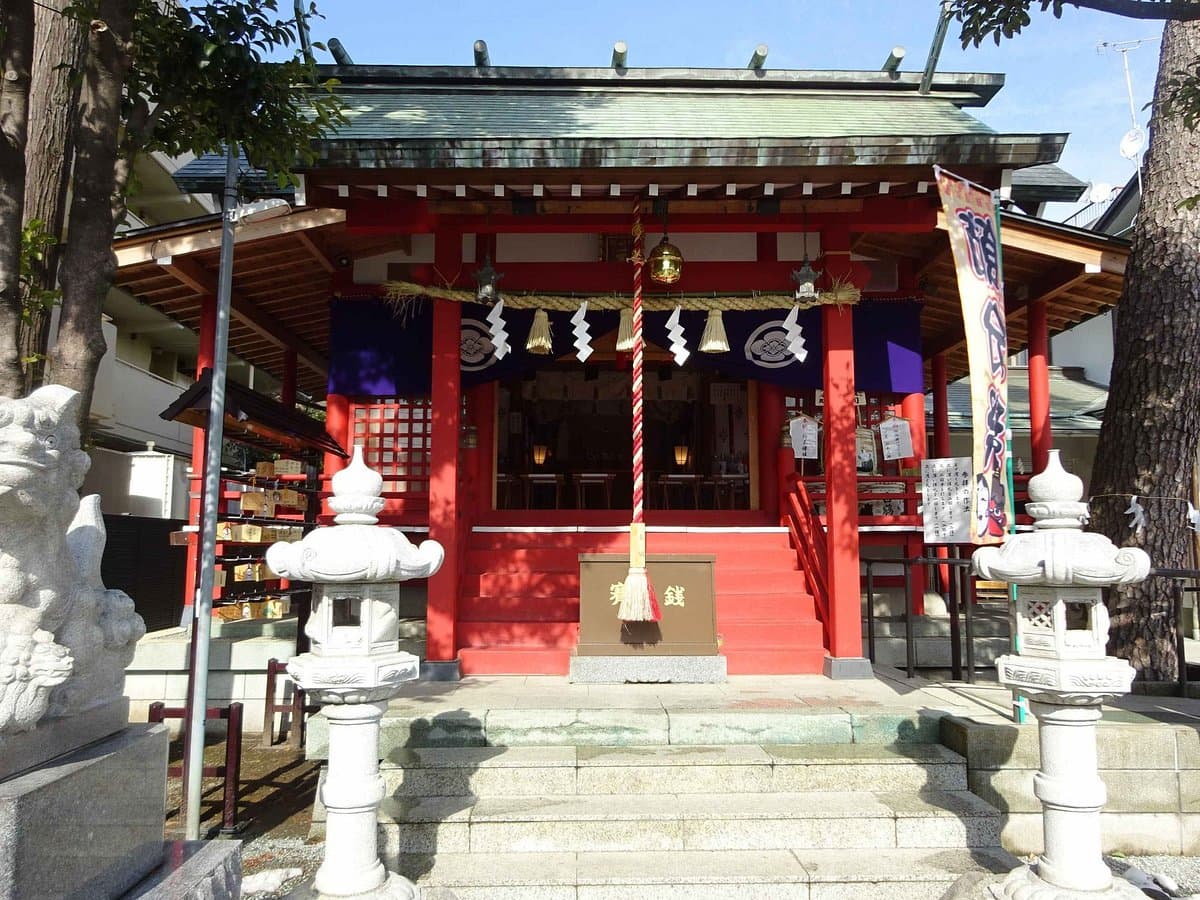
Ninomiya Shrine is a local Shinto shrine situated in Sagamihara, Kanagawa Prefecture. It serves as a spiritual center for the local community, offering a glimpse into everyday Japanese religious practices rather than being a grand tourist spectacle. Its significance lies in its role as a neighborhood sanctuary, providing a quiet space for prayer and contemplation.
Visitors consistently praise the shrine for its tranquil and peaceful ambiance, often noting the well-maintained grounds and traditional architecture. Many appreciate the opportunity to experience a less commercialized and more authentic local shrine. Reviewers frequently mention the sense of calm and the opportunity for quiet reflection, making it a pleasant stop for those seeking a momentary escape from urban noise. However, some visitors warn that the shrine is quite small and does not offer extensive sights or activities, so expectations should be managed accordingly.
For a visit, plan to spend approximately 30 minutes to an hour to fully appreciate the peaceful surroundings. The best time to visit is during daylight hours, particularly in the morning, when the atmosphere is most serene. There are no specific items to bring, but comfortable walking shoes are always advisable. As it is a local shrine, there are no entry fees or special requirements. Visitors suggest combining a visit with other local activities if you are in the area, rather than making a dedicated trip solely for the shrine.
The shrine is located at 5-9-5 Minamidai, Minami-ku, Sagamihara. While specific public transport details are not extensively mentioned in reviews, Sagamihara is accessible by train. From major stations, local bus services or a short taxi ride would likely be required to reach the shrine, as it is situated in a residential area. Driving might be an option, but parking availability is not highlighted by visitors.
A common complaint is the lack of significant attractions or activities, leading some visitors to feel it was not worth a special trip. To mitigate this, it is best approached as a brief, contemplative stop rather than a primary destination. Manage expectations by understanding it is a small, local shrine designed for community use, not a major historical or cultural landmark.