The Morse Seaside Laboratory Site on Enoshima Island marks the location of one of the earliest dedicated marine biological research facilities globally. Established briefly in 1877 by American zoologist Edward S. Morse, who also discovered the Omori Shell Mound, this site is a significant, albeit often overlooked, piece of scientific and archaeological history in Japan.
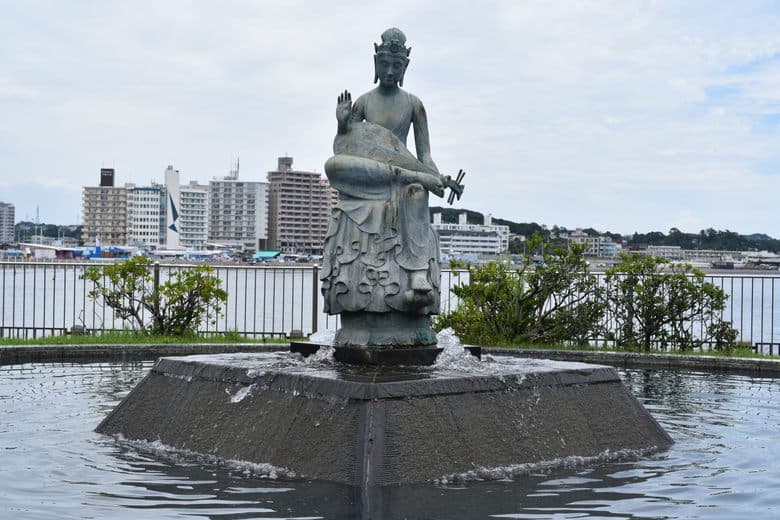
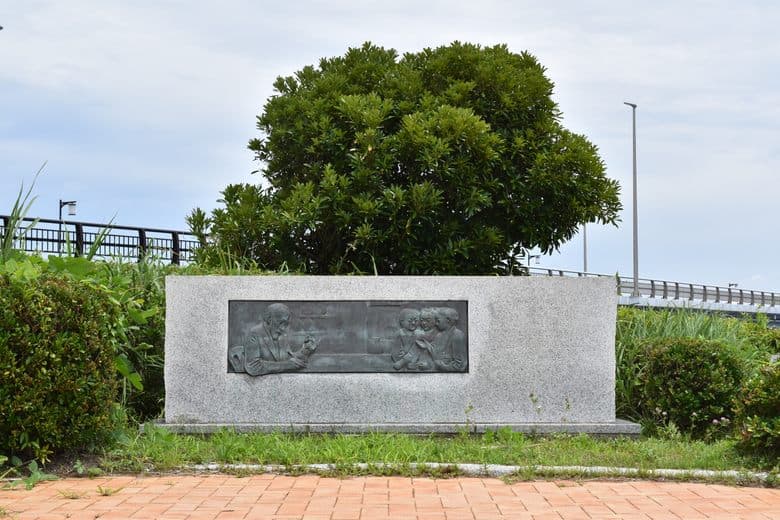
Visitors interested in the history of science or Japanese archaeology will find the commemorative markers intriguing. Reviewers note that the site itself is not a grand structure but rather two discreet markers: a historical plaque in an alley off Benzaiten Nakamise street and a bronze relief in a park overlooking Sagami Bay. These markers are easily missed amidst the bustling tourist activity of Enoshima, suggesting that a deliberate search is required to appreciate their significance.
To make the most of a visit, allocate about 15-30 minutes to locate and reflect on both markers. It's best visited during daylight hours when the markers are clearly visible. There's no entry fee, and no special equipment is needed. This site is best combined with a broader exploration of Enoshima Island, perhaps as a quiet interlude between more prominent attractions. It's not a destination in itself but rather an added layer of historical depth for the curious traveler.
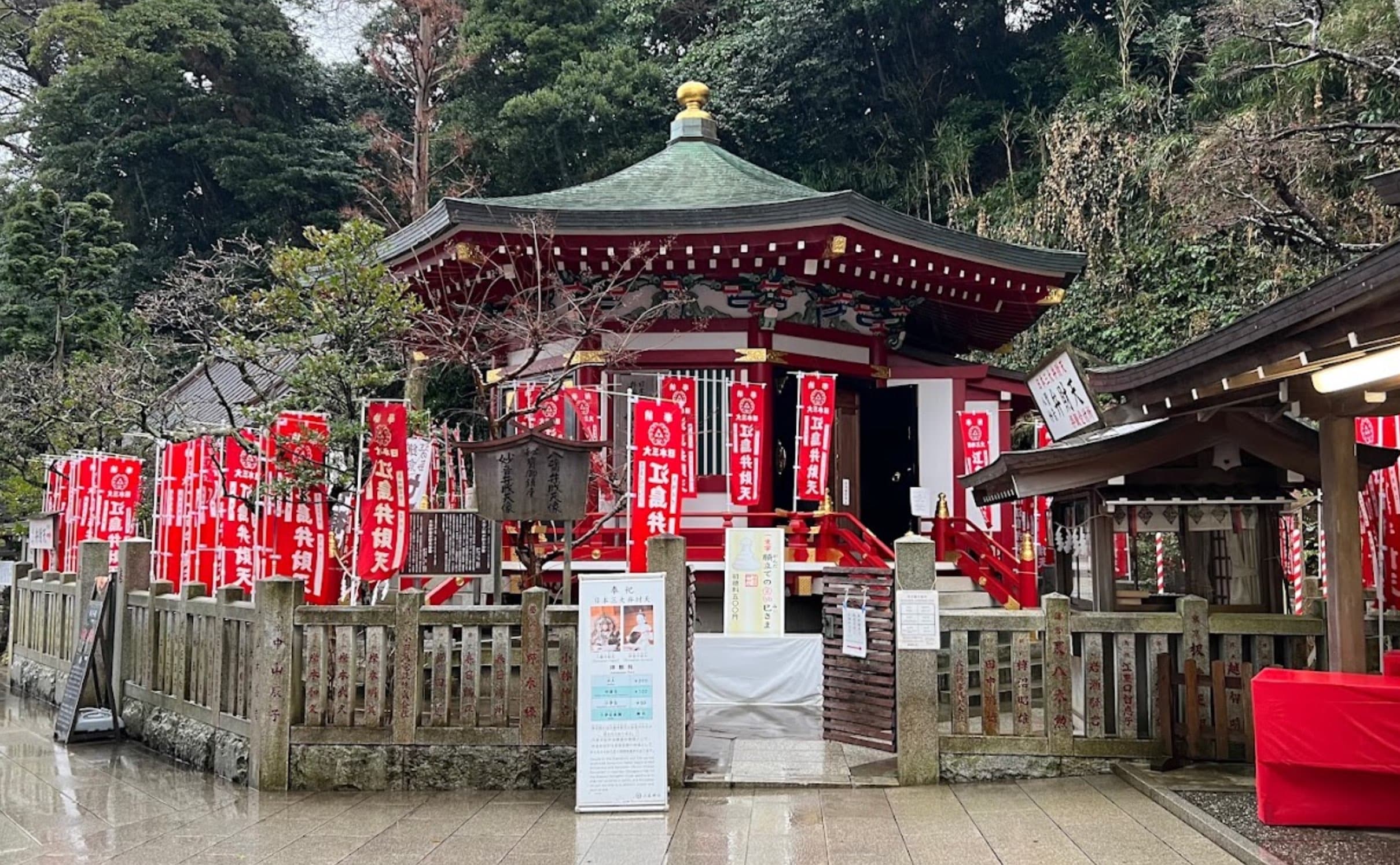
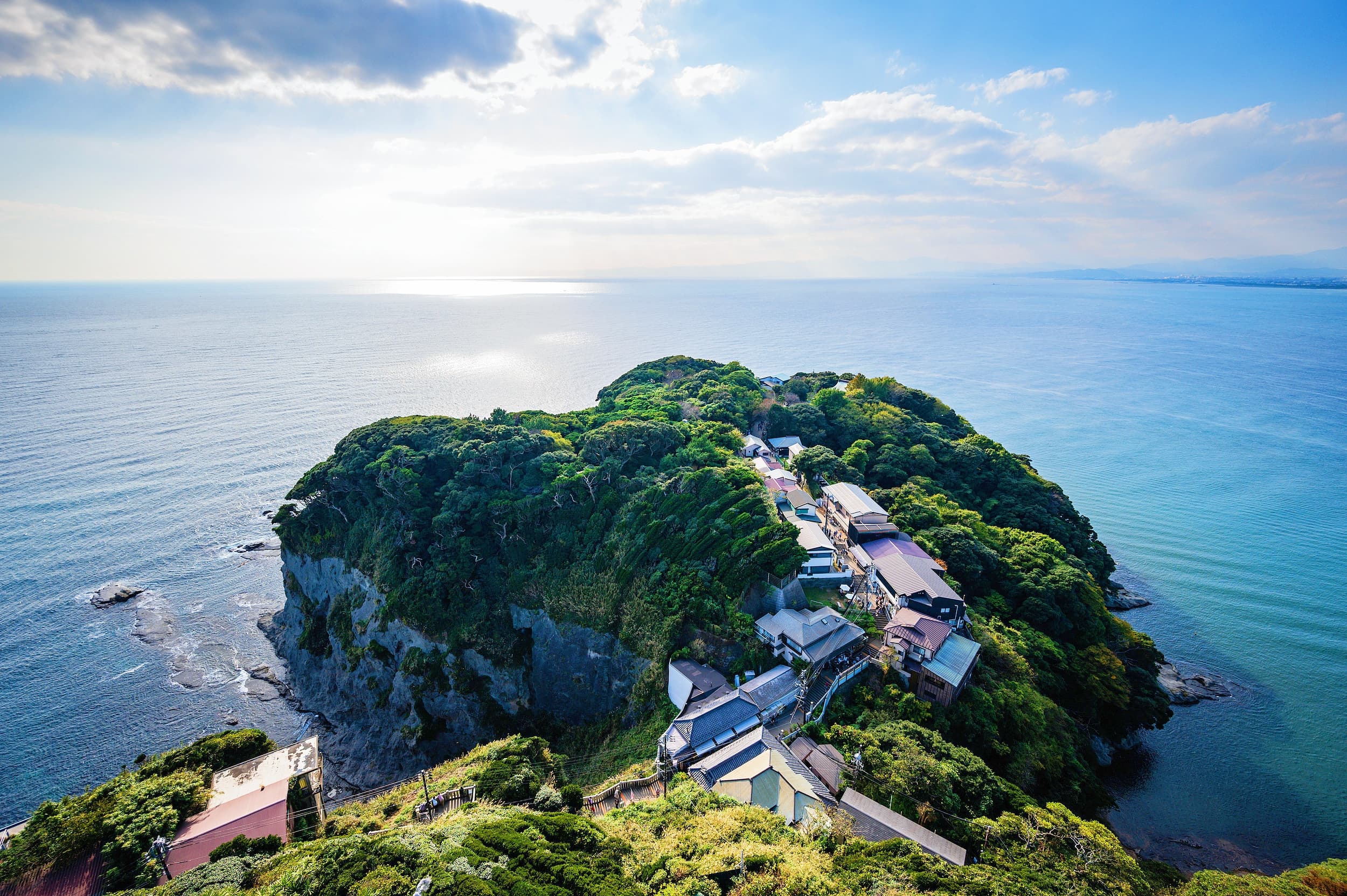
Enoshima Island is accessible by public transport. From Fujisawa Station, take the Enoden Line to Enoshima Station, or the Odakyu Enoshima Line to Katase-Enoshima Station. Both stations are a short walk across the bridge to the island. Once on the island, the markers are within walking distance of the main tourist paths. The plaque is located in an alley near the Benzaiten Nakamise street, which is the main shopping street leading up to the shrines. The bronze relief is situated in a park on the edge of the island, offering views of Sagami Bay. Given the island's pedestrian-friendly nature, walking is the primary mode of transport once there.
A common complaint, or rather an observation, is how easily these markers are overlooked due to their unassuming nature and the island's many other attractions. To mitigate this, consult a map or ask for directions to ensure you find both commemorative spots. Don't expect a museum or a large exhibit; the site is purely a historical marker, requiring some imagination to appreciate its past significance.