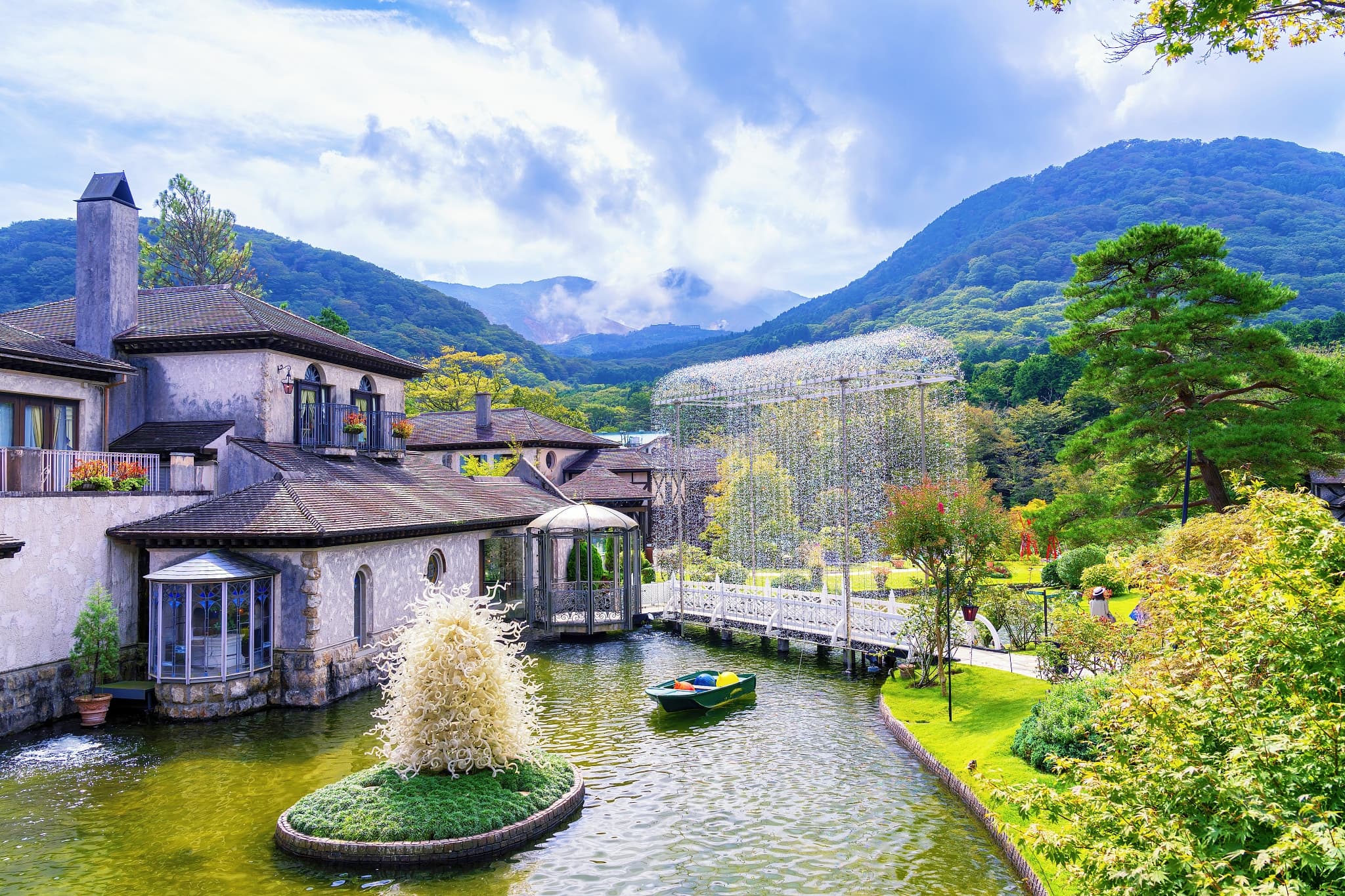
The Hakone Venetian Glass Museum, also known as the Glass Forest, is a distinctive cultural attraction nestled in the scenic Hakone mountains. It stands out as Japan's first museum dedicated to Venetian glass, housing one of the largest collections outside of Europe. The museum's architecture and meticulously maintained gardens evoke a European villa, offering a unique contrast to the surrounding Japanese landscape.
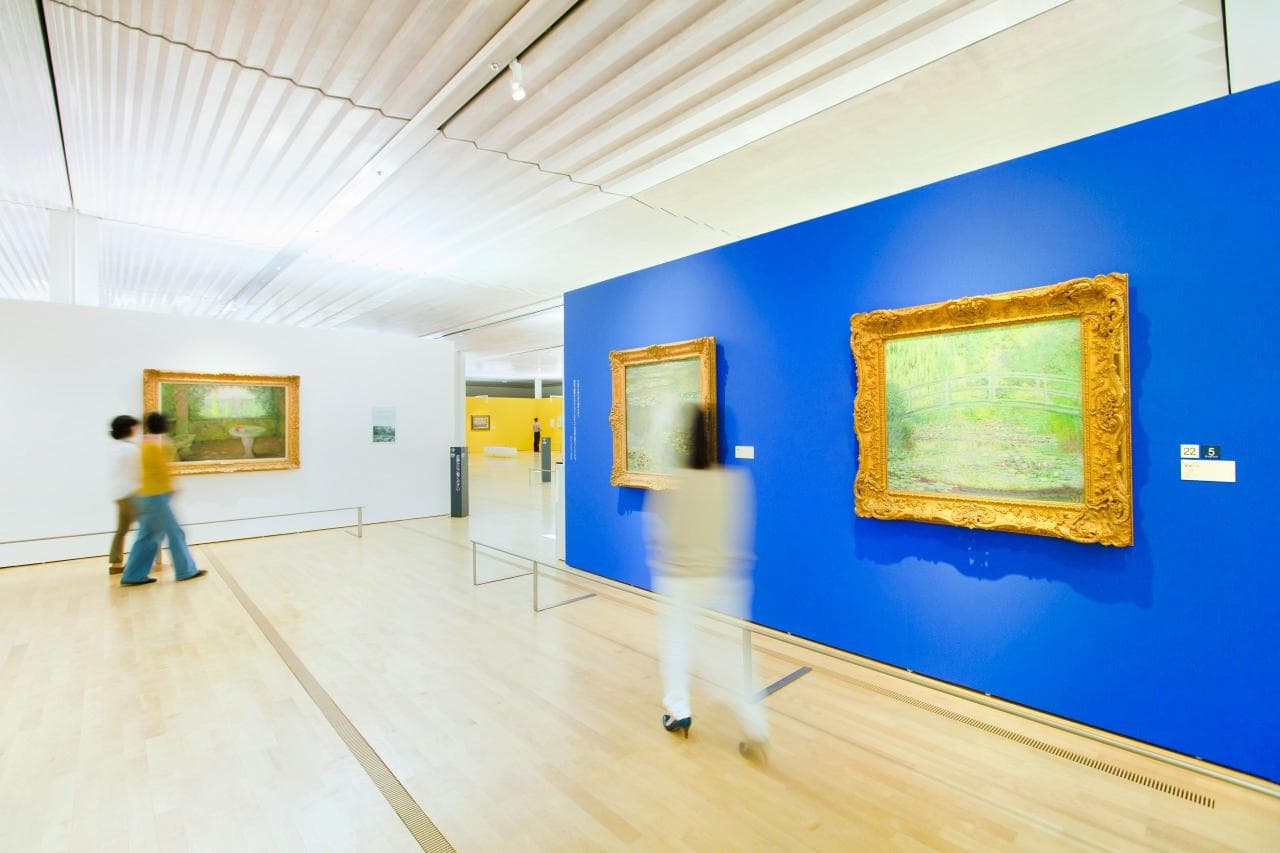
Visitors frequently praise the museum's outdoor installations, particularly the 'Fontana fountain' and the 'fireworks tree,' which are adorned with countless glass balls that sparkle brilliantly in the sunlight. Many describe the experience as walking through a 'fairy tale world' or a 'wonderland.' The indoor exhibitions showcase exquisite Venetian glass from the 15th to 19th centuries, alongside contemporary glass art, often featuring works by renowned artists like Dale Chihuly. Reviewers consistently highlight the beauty and craftsmanship of the glass pieces. The on-site restaurant, often mentioned for its Italian cuisine and live music, receives positive remarks, with some visitors suggesting it's a highlight in itself.
To fully appreciate the outdoor glass installations, it is highly recommended to visit on a sunny day, as the glass truly comes alive with sparkle. Many suggest allocating 1-3 hours for a visit, though some avid photographers or those participating in workshops might spend longer. Consider visiting in the morning to avoid potential crowds, especially at the popular photo spots. While the museum offers glass-making workshops, several visitors noted they wished they had booked in advance, so planning ahead for this experience is advisable. The gift shop, though praised for its beautiful items, is frequently mentioned as being quite expensive.
The museum is easily accessible by local bus. Many reviewers mention taking the Tozan bus from Gora Station or Hakone-Yumoto Station, with the bus stopping directly at the museum. If you are coming from the Museum of the Little Prince, it's about a 20-minute walk. For those with a Hakone Freepass, discounted entry tickets are available, making it a more economical option. Driving is also an option, though parking details are not extensively covered in reviews.
A common complaint among some visitors, particularly those who have traveled extensively in Europe or Venice, is that the museum can feel a bit small or pricey for what it offers. Some also noted a lack of English explanations for all exhibits, though main panels often have translations. To mitigate this, focus on the visual appeal of the glass and the gardens, and consider the discounted entry with a Hakone Freepass to manage costs. While renovations were mentioned by one reviewer, they did not seem to significantly detract from the overall experience for most.