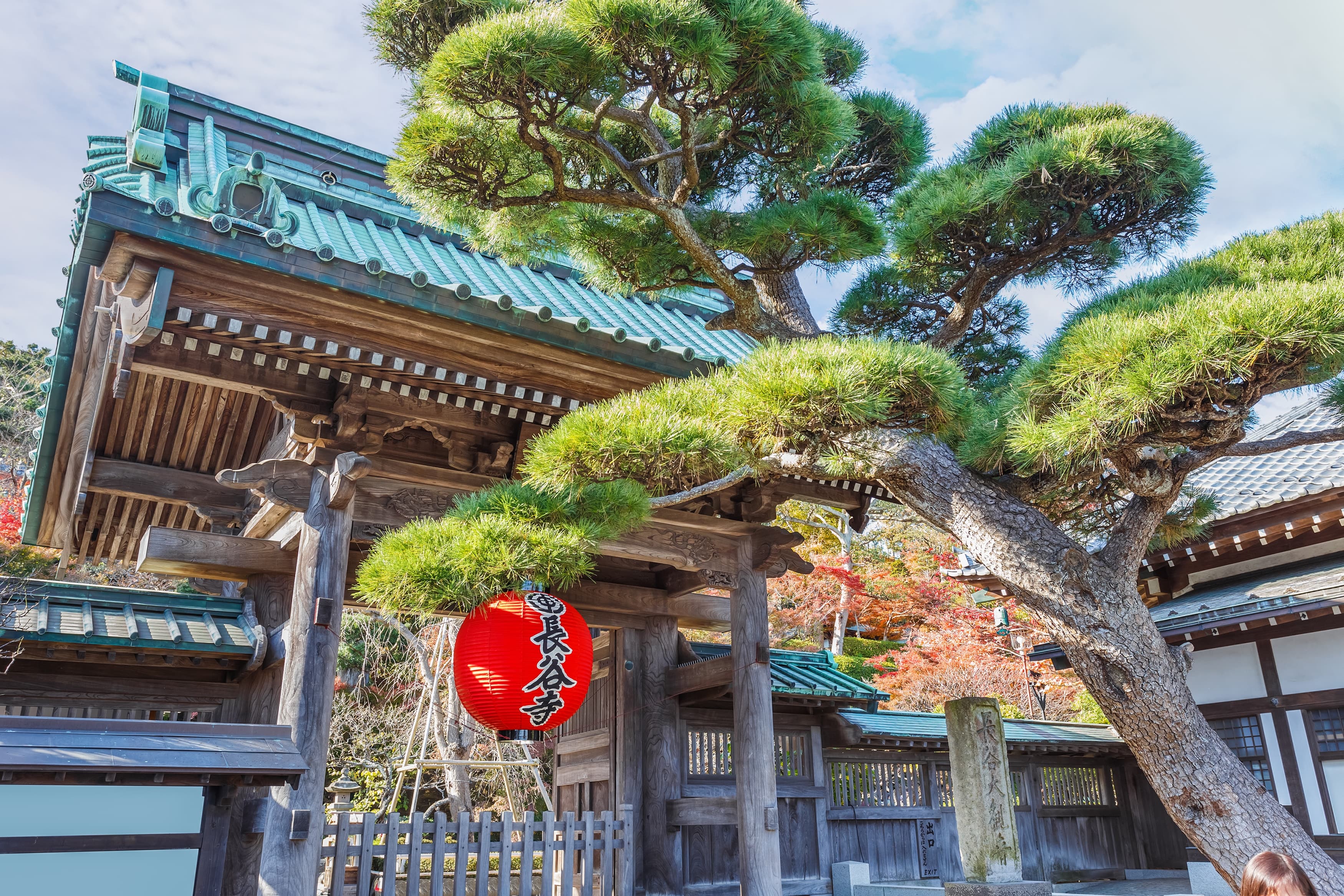
Hasedera Temple, also known as Hase Kannon, is a significant Buddhist temple of the Pure Land sect nestled on a wooded hillside in Kamakura. It is most famous for housing one of Japan's largest wooden Buddha statues, the Eleven-Faced Kannon, a nearly 10-meter-tall gilded sculpture that is a central object of worship. Beyond its spiritual importance, Hasedera is celebrated for its meticulously maintained gardens, offering a tranquil escape and stunning seasonal beauty, particularly during hydrangea and maple leaf seasons.
Visitors consistently praise the temple's diverse offerings, from the serene ponds filled with koi and dragonflies to the intricate stone statues, especially the numerous Jizo statues dedicated to children. Many reviewers highlight the panoramic views of Kamakura city and Sagami Bay from the observation deck as a major draw, often describing them as "breathtaking" and "spectacular." The unique Benten-do Cave, with its low passages and statues, is frequently mentioned as an interesting, albeit sometimes claustrophobic, experience. The overall atmosphere is often described as peaceful, beautiful, and a welcome break from the city's hustle.
To make the most of your visit, allocate at least 1.5 to 2 hours to explore the entire complex, including the gardens, various halls, the cave, and the observation deck. Many suggest visiting in the morning to avoid crowds, especially on weekends, though some reviewers found it magical during sunset or in the rain when fewer people were present. If visiting during hydrangea season (June), be prepared for larger crowds and consider a telephoto lens for better photos of the hillside blooms. Wear comfortable shoes as there are many stairs and walking paths. While there's a restaurant on-site, many visitors also enjoy the local shops and cafes near Hase Station.
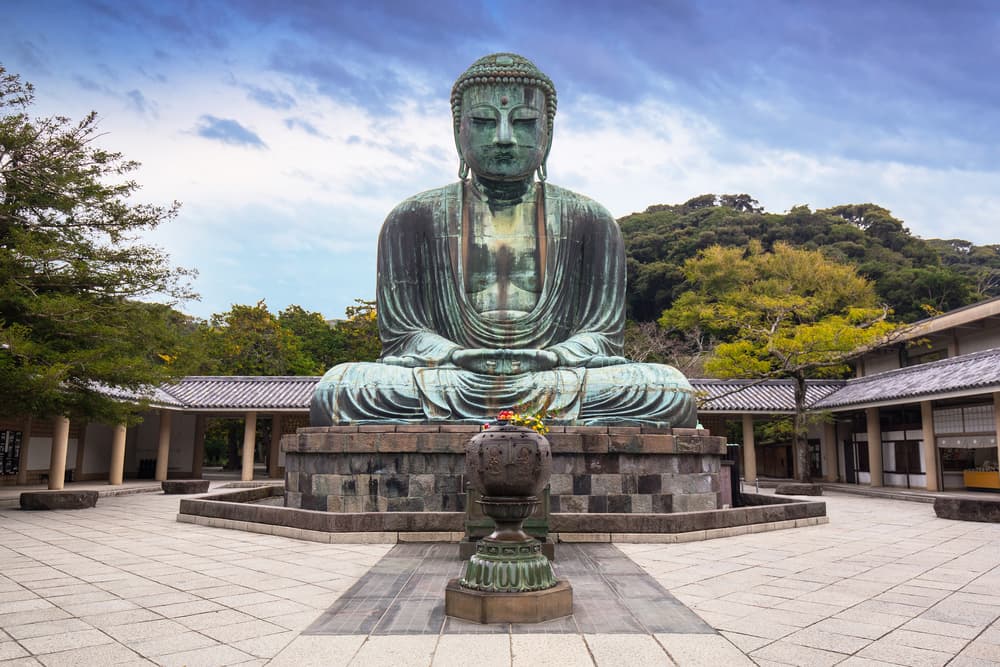
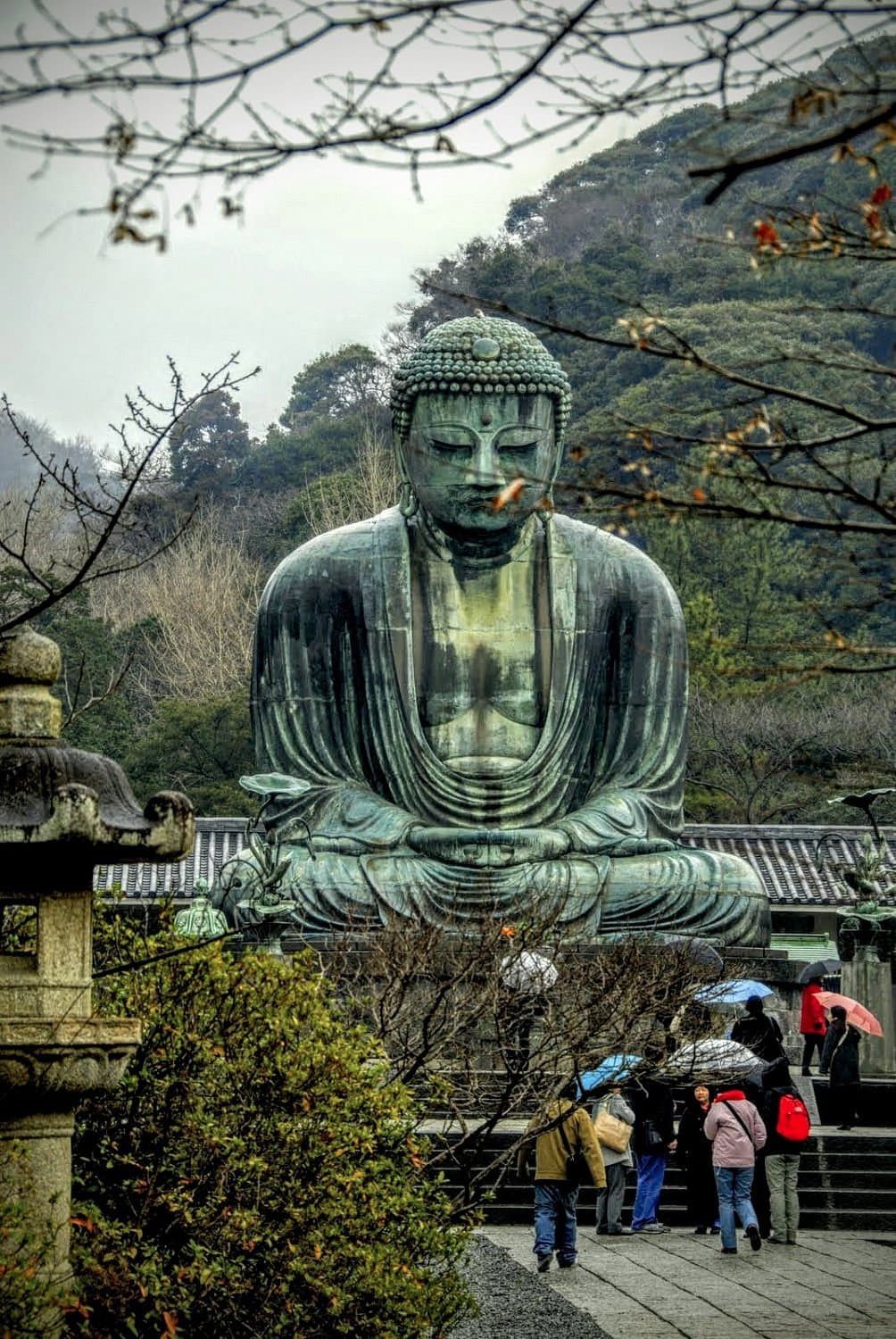
Hasedera Temple is conveniently located and easily accessible. It's a short 5-10 minute walk from Hase Station on the Enoshima Electric Railway (Enoden Line). From Kamakura Station, you can take the Enoden Line to Hase Station, which is a scenic ride. Alternatively, it's about a 15-minute walk from the Great Buddha (Kotoku-in Temple), making it an ideal next stop after visiting the Buddha. Reviewers frequently mention walking between the two attractions. For those with limited mobility, be aware that the temple complex is built on a hillside with many stairs, which can be challenging. Stroller parking is available at the entrance, but a baby carrier is recommended for exploring the upper levels.
A common complaint, particularly during peak seasons like hydrangea bloom, is the large number of tourists, which can detract from the serene atmosphere. To mitigate this, consider visiting early in the morning right after opening, or during off-peak months. Some visitors also found the Benten-do Cave to be too small or claustrophobic; if you are sensitive to enclosed spaces, you may choose to skip this part of the visit.