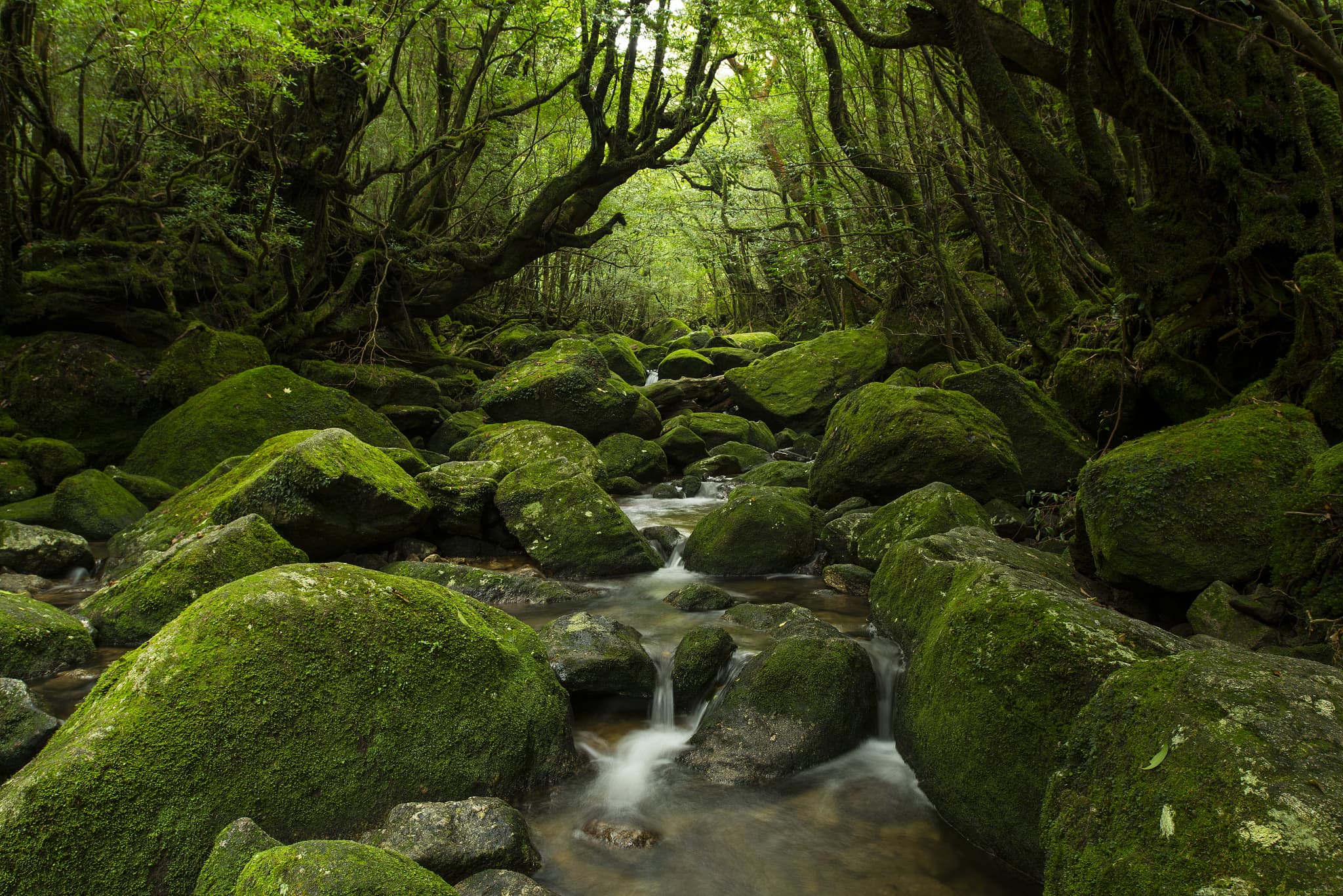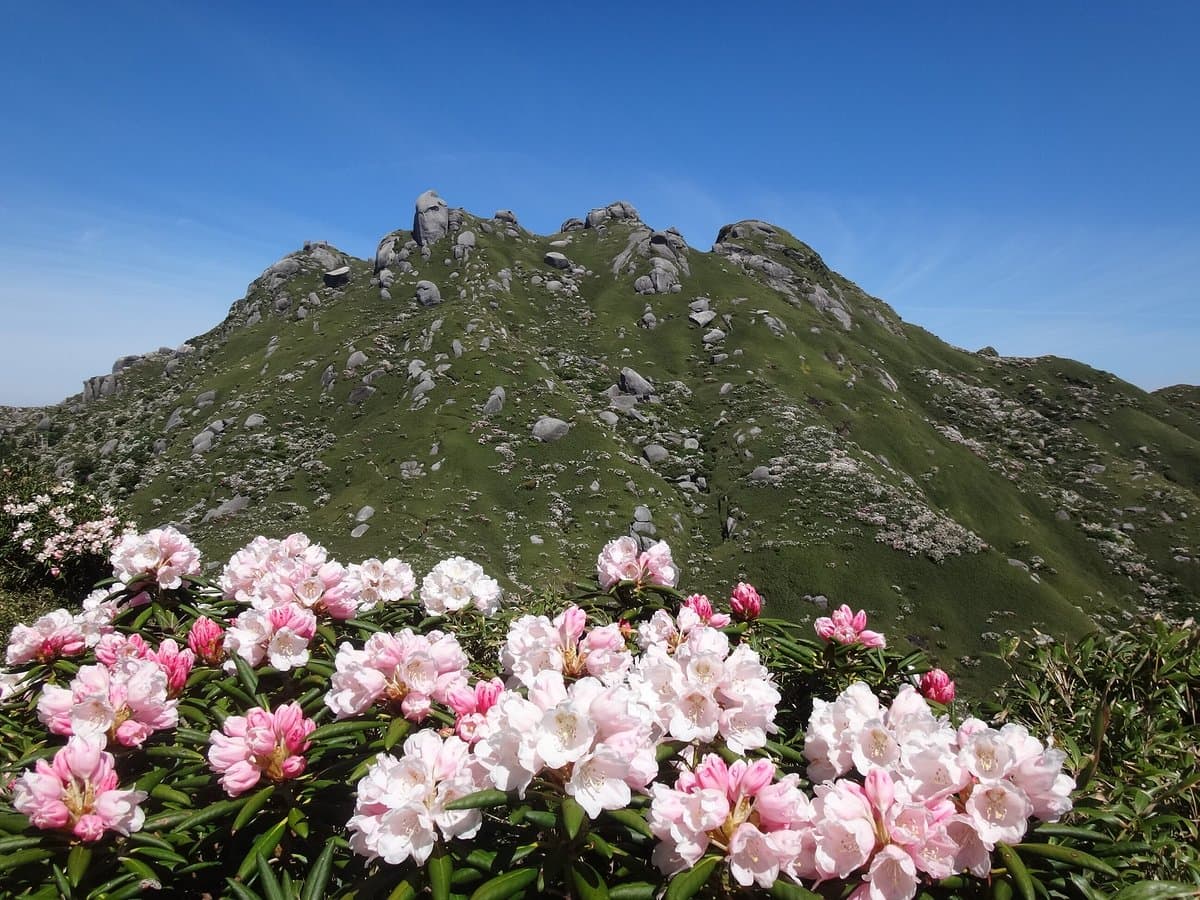
Yakushima National Park, located in Kagoshima Prefecture, is a UNESCO World Heritage site renowned for its ancient cedar forests, particularly the 'yakusugi' (Japanese cedars) that are over 1,000 years old. This park is a vital ecological treasure, preserving a unique ecosystem that ranges from subtropical coastal areas to high-altitude mountains, making it a significant destination for nature enthusiasts and those seeking a profound connection with the natural world.
Visitors frequently highlight the park's incredible biodiversity and the chance to encounter wildlife up close. Reviewers often mention seeing deer and wild monkeys that are remarkably unafraid of humans, adding a magical element to the experience. The sensory experience is also a recurring theme, with many describing the forest's scents and colors as 'amazing' and the overall atmosphere as a 'power spot area,' suggesting a deeply invigorating and spiritual visit.
To make the most of a visit, it is advisable to allocate at least a full day, or even two, to explore different trails and areas of the park. Bringing sturdy hiking shoes, rain gear (as the island is known for its frequent rainfall), and insect repellent is highly recommended. Given the natural environment, packing snacks and sufficient water is also wise, as amenities within the deeper parts of the park are limited. The best time to visit for wildlife viewing is often during the quieter morning or late afternoon hours.
Reaching Yakushima National Park typically involves first getting to Yakushima Island, usually by ferry or plane from Kagoshima. Once on the island, local buses serve various trailheads and key areas within the park. Renting a car is also a popular option for greater flexibility, especially for accessing more remote parts of the park. Specific bus routes and schedules should be checked in advance, as services can be less frequent in certain seasons or areas.
While complaints are rare, some visitors might find the weather unpredictable, with sudden rain showers being common. To mitigate this, always carry waterproof clothing and be prepared for changing conditions. The trails can also be challenging in places, so a reasonable level of physical fitness is beneficial for longer hikes.