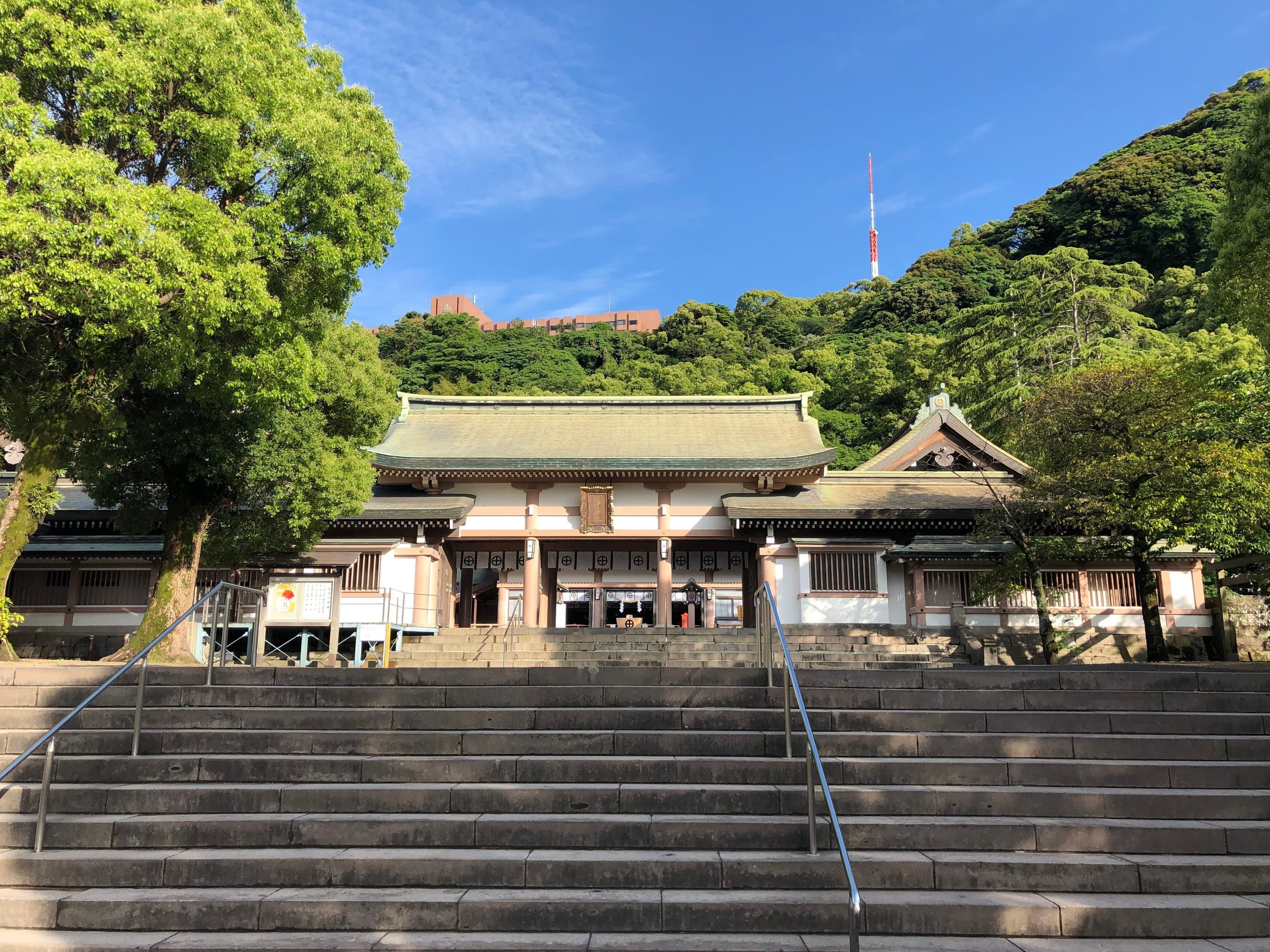
Terukuni Shrine is a significant local landmark in Kagoshima, dedicated to Shimazu Nariaki, a prominent local ruler from the Edo period. It holds particular importance for the local community, attracting the highest number of New Year's Day visitors among all shrines in Kagoshima Prefecture. The shrine grounds feature a large torii gate and bronze statues of Shimazu Nariaki and his successor, Shimazu Tadayoshi, offering a window into the region's historical and spiritual heritage.
Visitors consistently praise the shrine for its peaceful atmosphere and the opportunity to experience Japanese religious culture without an entry fee. Many note its expansive grounds, which include green belts and several older buildings, making it a pleasant spot for a stroll. Reviewers often highlight the impressive size of the main torii gate. While some find it less distinctive compared to shrines in other regions of Japan, its local popularity, especially during festivals like New Year's, provides an authentic cultural experience.
To make the most of your visit, allocate about 0.5 to 1.5 hours. The shrine is best visited during daylight hours, and arriving in the morning or late afternoon can offer a more tranquil experience. Since admission is free, it's an excellent option for budget-conscious travelers. Consider wearing comfortable shoes as you'll be walking around the grounds. There's no specific need to bring anything beyond personal essentials.
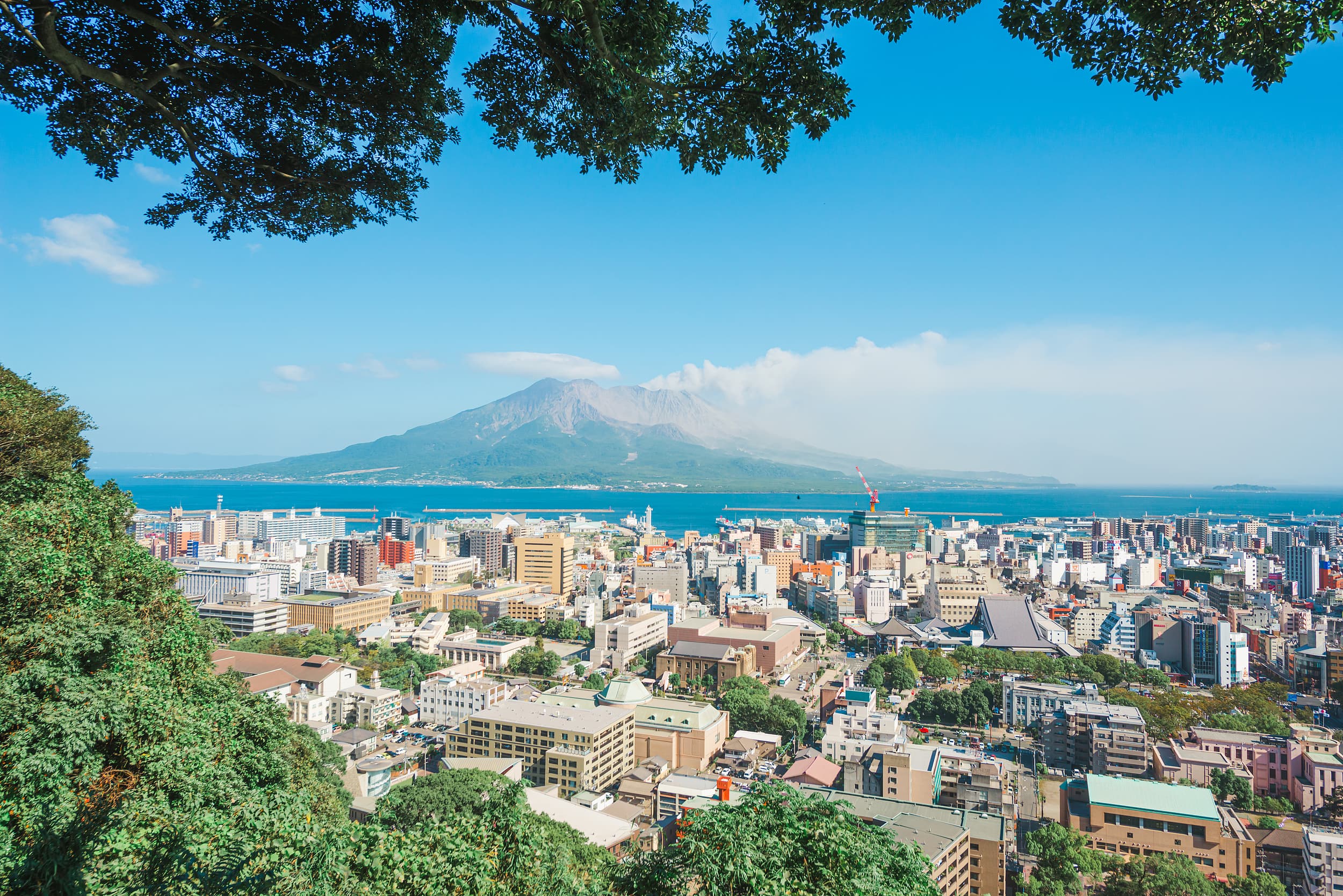
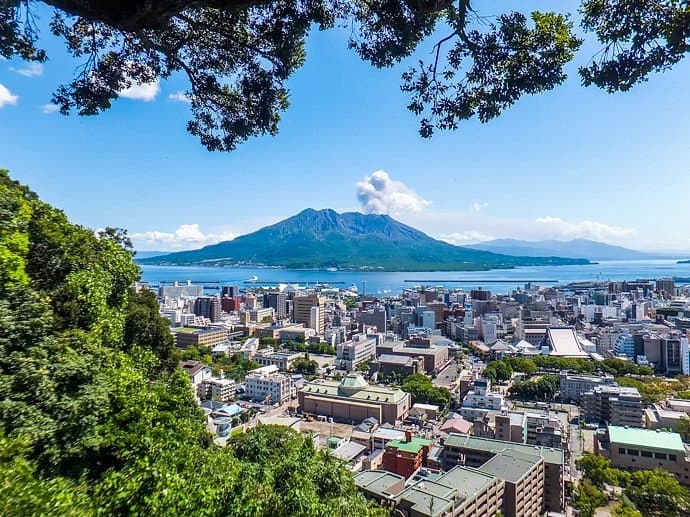
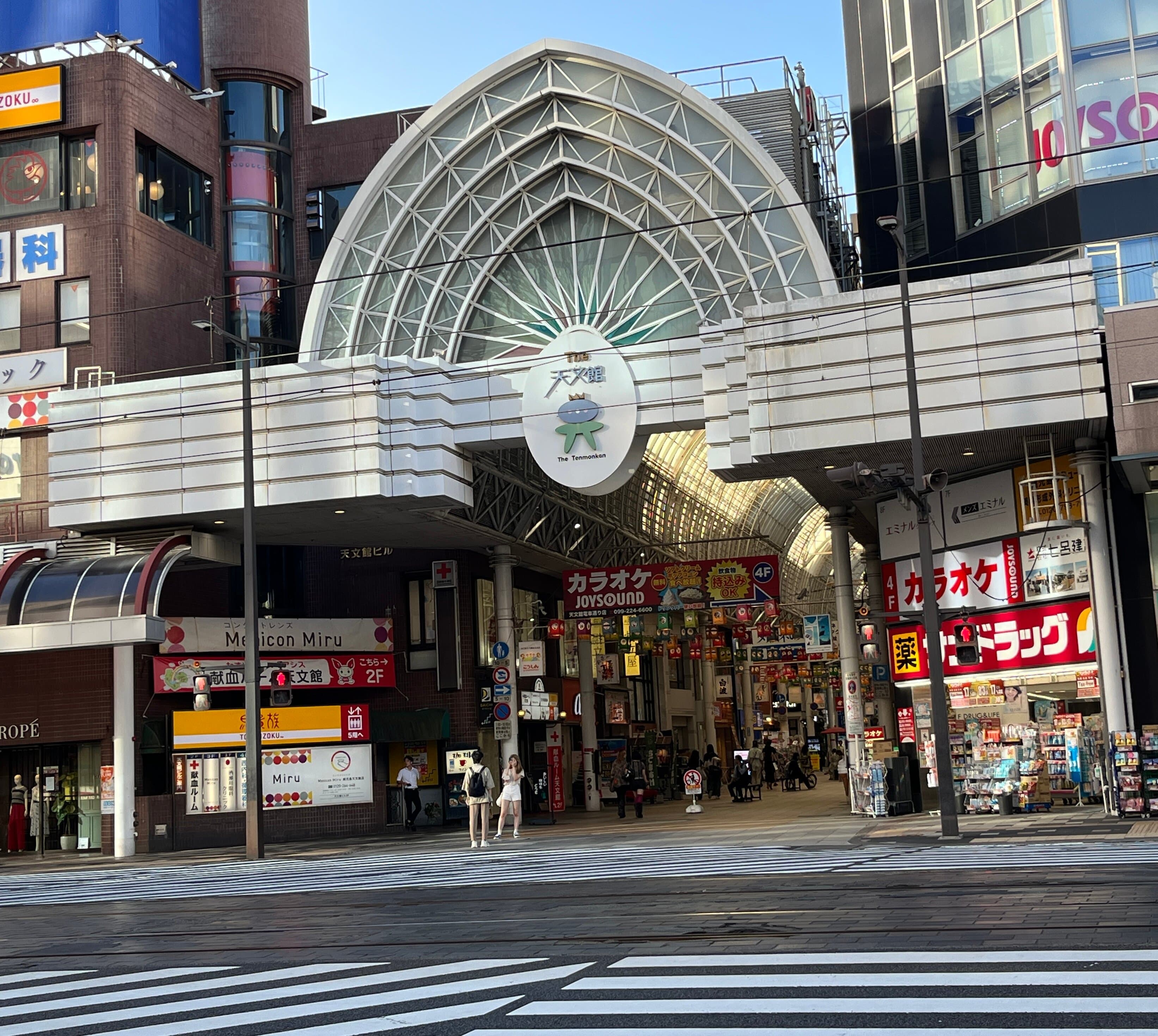
Terukuni Shrine is conveniently located and easily accessible. From Kagoshima Chuo Station, visitors can take a bus or trolley bus to the Tenmonkan stop. From there, the shrine is just a short walk away. Its proximity to the bustling Tenmonkan area makes it easy to combine a visit with shopping or dining. The shrine is situated at the foot of Mt. Shiroyama, offering a scenic backdrop.
A common sentiment among some visitors is that the shrine, while pleasant, may not be as visually striking or unique as some of Japan's more famous shrines. To mitigate this, manage your expectations and focus on appreciating its local significance and the serene environment. It's an ideal stop if you're already exploring the Tenmonkan district or looking for a quiet cultural experience rather than a grand, iconic landmark.