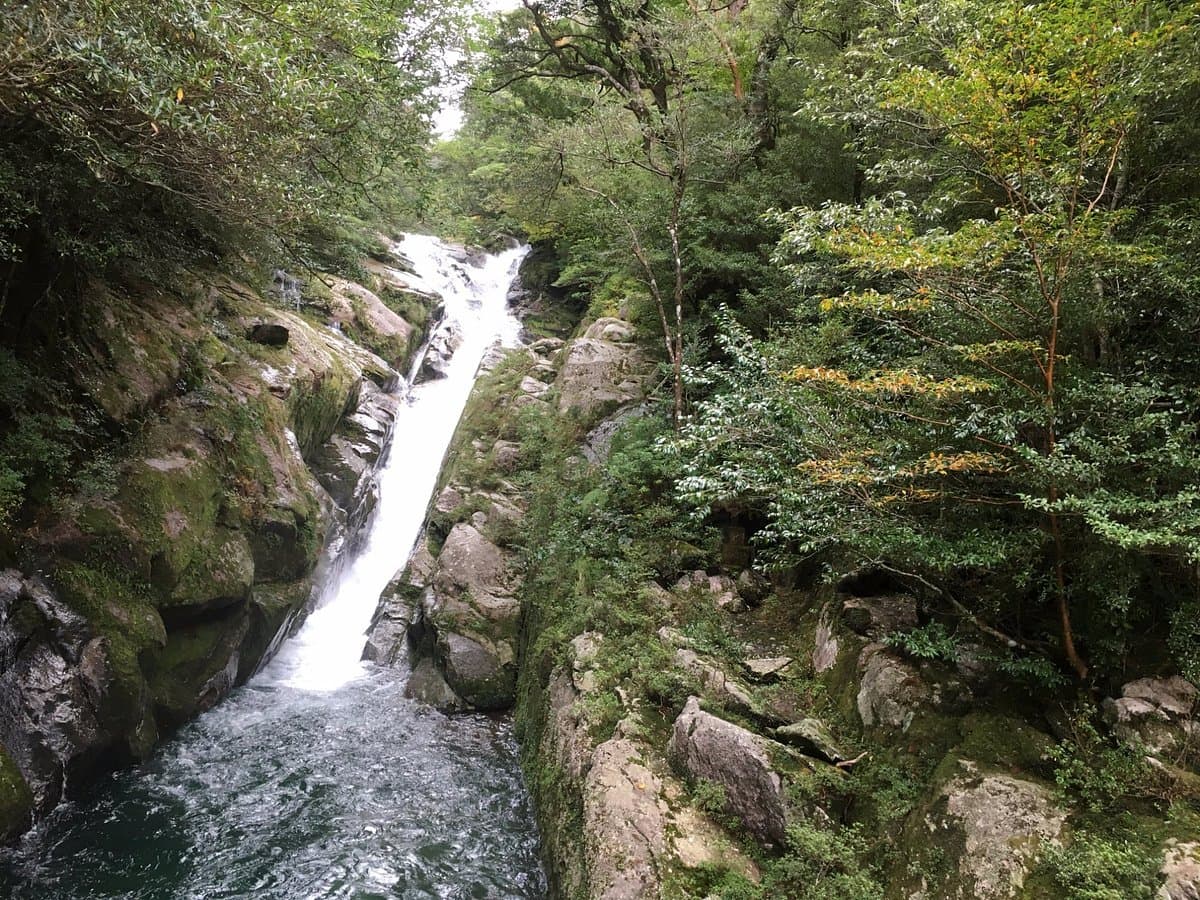
Shiratani Unsuikyo Valley is a pristine temperate rainforest on Yakushima Island, renowned for its ancient cedar trees (yakusugi) and a landscape so lush and mystical it served as a primary inspiration for Studio Ghibli's animated film 'Princess Mononoke'. This valley is not just a forest; it's a living, breathing ecosystem where mosses carpet every surface, creating an otherworldly atmosphere that draws nature lovers and Ghibli fans alike.
Visitors consistently praise the valley's unparalleled beauty, often describing it as 'magical' and 'another world'. The extensive moss coverage, ancient trees, and clear streams are frequently highlighted as the most captivating features. Many reviewers emphasize the profound sense of peace and immersion in nature. The availability of multiple hiking courses, from short, easy walks on wooden platforms to more strenuous, multi-hour treks to viewpoints like Taiko Rock, is also a significant draw, allowing visitors of varying fitness levels to enjoy the park. The opportunity to spot local wildlife, such as macaques and yakushika deer, adds to the experience.
To make the most of your visit, proper preparation is key. Reviewers strongly recommend bringing sturdy hiking shoes or boots, as trails can be slippery, especially when wet, and uneven. Many suggest bringing rain gear (jacket, pants, and a change of clothes/socks) regardless of the forecast, as rain is common. A walking stick or hiking poles can also be very helpful on steeper or more challenging sections. Pack plenty of water and snacks, as there are no shops inside the park. Starting early in the morning is advised to avoid crowds, especially during peak season, and to allow ample time to complete your chosen trail. While guides are not strictly necessary for well-marked trails, many visitors found that hiring a knowledgeable local guide significantly enhanced their understanding of the ecosystem and history.
Shiratani Unsuikyo Valley is accessible by public bus. Visitors can take one of the Mutsubanda buses from Miyanoura directly to the park entrance. The bus ride from Miyanoura takes approximately 30 minutes. Be sure to check the bus timetable in advance, as services can be limited, especially for early morning or late afternoon departures. For those driving, the road up can be winding and narrow in parts. There is a nominal entry fee of 500 JPY per person.
Common complaints often revolve around the weather, with heavy rain and fog sometimes limiting visibility and making trails more challenging. To mitigate this, always check the weather forecast, be prepared for wet conditions, and consider shorter, easier routes if the weather is particularly bad. Some parts of the trek may be cordoned off during severe weather. While the trails are generally well-marked, some visitors mention accidentally taking detours, so pay close attention to signs and maps provided at the trailhead. The drive up can be stressful for some due to narrow, winding roads.