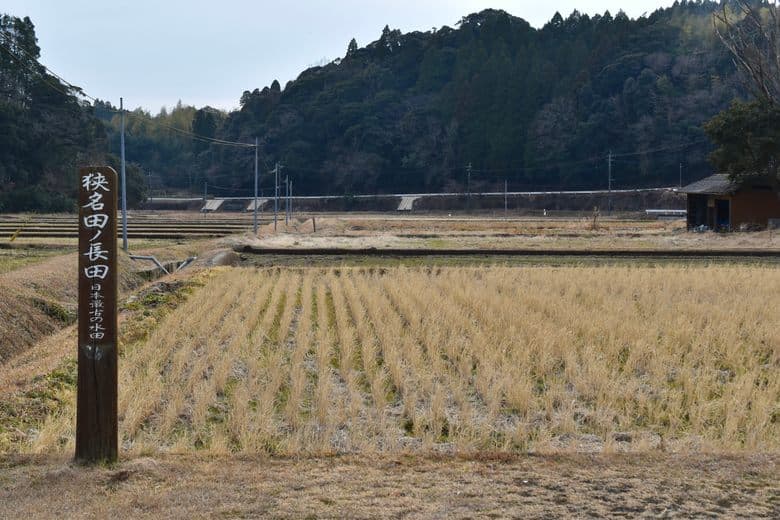
Sanada no Osada, meaning "long rice paddy," holds a unique place in Japanese mythology as the supposed location where the major deity Ninigi planted the first rice stalk brought from heaven. This event, tied to the birth of his son Hiko-hoho-demi no Mikoto, is said to have occurred at the foot of the sacred Mount Takachiho. The site is also associated with the invention of amazake, a traditional fermented rice drink, created to nourish the newborn god. While modest in appearance, it represents a profound connection to Japan's agricultural roots and spiritual heritage.
Visitors who seek out this site are often those with a keen interest in Japanese folklore and the origins of its cultural practices. Reviewers note its quiet, contemplative atmosphere, contrasting sharply with more bustling tourist spots. The main feature is a stone monument erected in 1915, alongside a small shrinelet dedicated to Tanokami, the god of rice paddies. It's a place for reflection rather than active engagement, offering a sense of stepping back into ancient times.
To make the most of a visit, allocate about 15-30 minutes. It's best visited during daylight hours, ideally in the morning or late afternoon for a peaceful experience. There are no facilities on site, so bring any water or snacks you might need. Since it's a small, open-air location, comfortable walking shoes are advisable, especially if exploring the surrounding area. There are no specific items to bring or skip, as the experience is primarily observational.
Sanada no Osada is located near Kirishima-jingū Shrine. The most practical way to reach it is often by car, as public transport options directly to the site are limited. If visiting Kirishima-jingū by bus, it may be a significant walk or require a taxi to reach Sanada no Osada. Parking is typically available in the vicinity of the shrine, and from there, the site is usually accessible via a short drive or walk. Always check local maps or ask for directions at the shrine's information center.
A common observation is that the site can be easily overlooked due to its unassuming nature and lack of prominent signage. To mitigate this, use a reliable GPS or map application and be aware that it might not appear as a grand landmark. Some visitors express surprise at its small scale, so managing expectations by understanding it's a historical marker rather than a large attraction is key to avoiding disappointment.