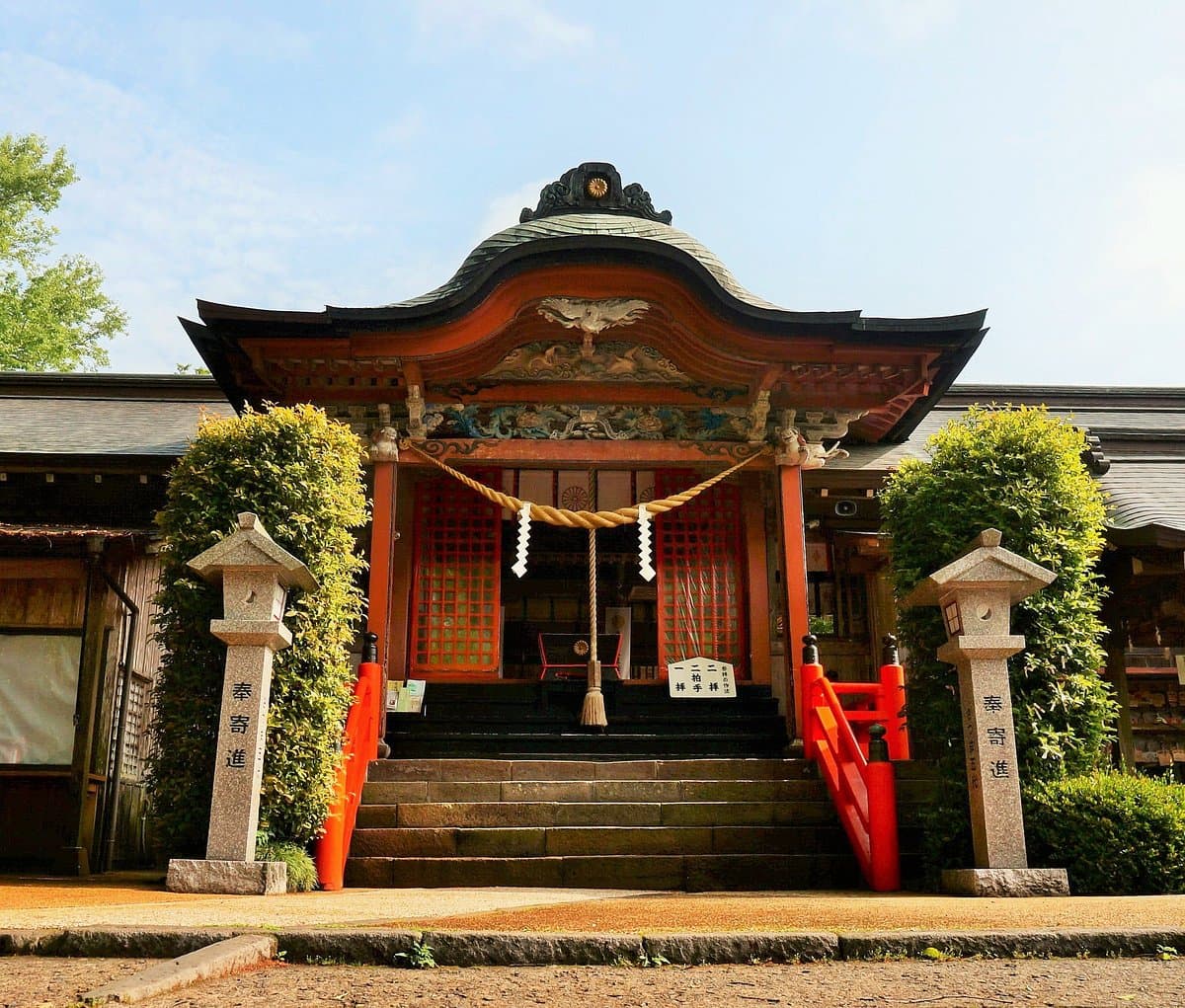
Nitta Shrine is a venerable Shinto shrine with deep historical roots, believed to be associated with the legendary Ninigi-no-Mikoto, a deity central to Japanese mythology. Perched atop a hill overlooking the Sendai River, it offers a tranquil escape and a glimpse into Japan's ancient spiritual heritage.
Visitors consistently praise the shrine for its peaceful ambiance and the beautiful views it affords, particularly after making the ascent. The sense of accomplishment upon reaching the top is often highlighted, along with the opportunity to experience a traditional Japanese shrine away from more crowded tourist spots. The natural surroundings contribute significantly to the serene experience.
A key consideration for visiting Nitta Shrine is the climb. Reviewers frequently mention the significant number of stairs required to reach the main shrine. While the effort is generally considered worthwhile for the views and atmosphere, those with mobility issues or who are not in good physical shape might find the ascent challenging. It is advisable to wear comfortable walking shoes and bring water, especially during warmer months. The best time to visit is during the cooler parts of the day, such as early morning or late afternoon, to avoid the midday heat and potentially enjoy a more solitary experience. Allow at least an hour to an hour and a half to comfortably make the climb, explore the shrine, and enjoy the views.
Nitta Shrine is located at 1935-2 Miyauchicho, Satsumasendai. While specific public transport details are not consistently mentioned in reviews, its location suggests that accessing it would likely involve a combination of local train or bus services to Satsumasendai, followed by a taxi or a walk from the nearest station. Given the hill-top location, walking directly from a distant station might be strenuous. Driving to the vicinity and parking might be a more convenient option for some, though parking availability should be verified locally.
The primary complaint, or rather a significant point of note, is the physical exertion required for the climb. To mitigate this, visitors should pace themselves, take breaks as needed, and ensure they are adequately hydrated. Planning the visit during cooler weather or cooler times of the day can also make the experience more enjoyable.