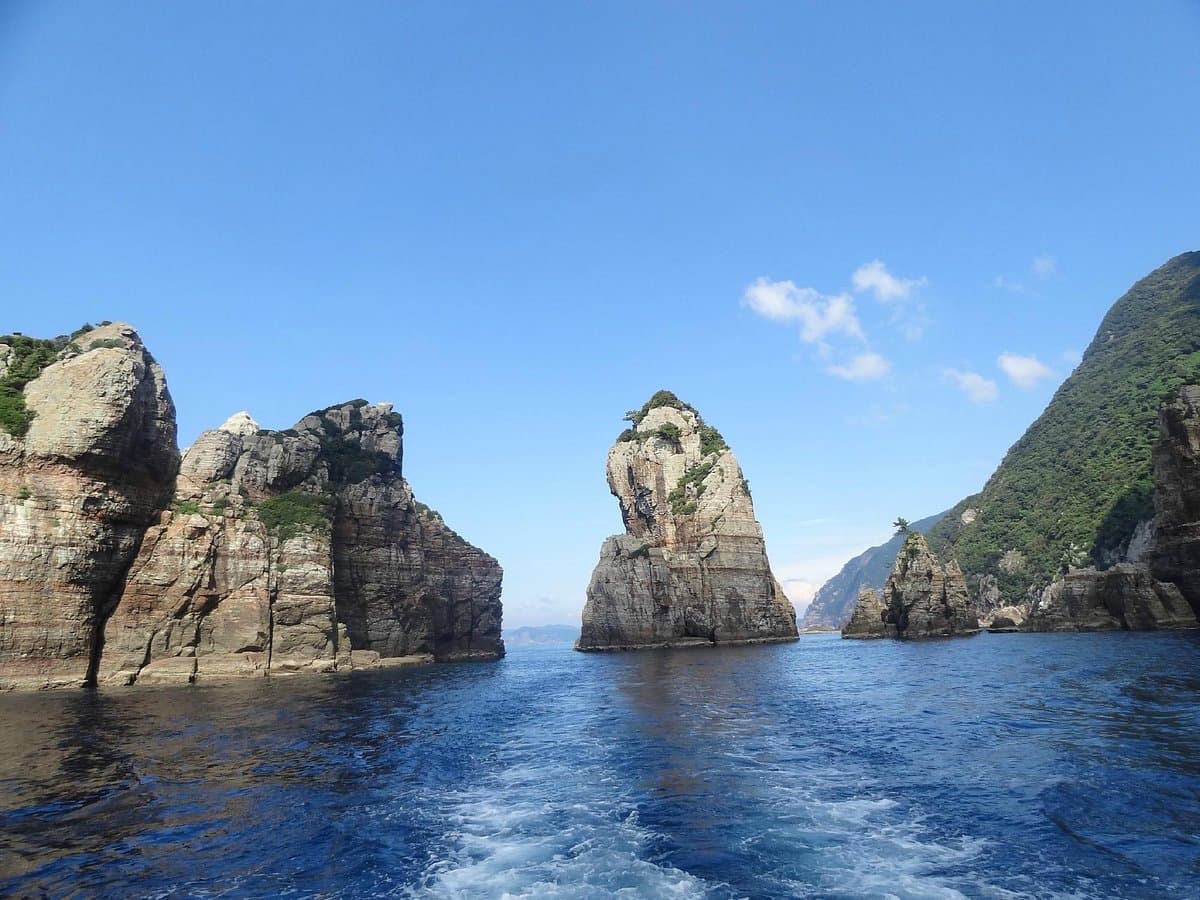
The Koshikijima Islands, located off the coast of Satsumasendai in Kagoshima Prefecture, are a hidden gem renowned for their stunning natural beauty, including unique rock formations, pristine beaches, and lush greenery. They offer a tranquil escape from urban life, making them a significant destination for nature lovers and those seeking an authentic island experience in Japan.
Visitors consistently praise the scenic boat tours that navigate the dramatic coastlines, offering close-up views of the geological wonders. The comfort and design of the high-speed boats connecting the islands are frequently highlighted, contributing to a pleasant journey. Reviewers also appreciate the organized bus tours that allow for exploration of the islands' interior and various points of interest, such as the charming Satōro area, without the hassle of self-driving.
To make the most of a visit, it is advisable to check the ferry schedules in advance, as transportation to and between the islands is crucial. Bringing comfortable walking shoes is recommended for exploring the various sites. A full day is generally sufficient to experience the main highlights, especially if participating in an organized tour. Consider visiting during the shoulder seasons (spring or autumn) for pleasant weather and fewer crowds. Booking tours and accommodations in advance, particularly during public holidays, can ensure availability.
Access to the Koshikijima Islands typically involves taking a high-speed boat from Kawauchi Port in Satsumasendai. The journey to Sato Port, one of the main entry points on the islands, is described as comfortable. Once on the islands, local bus services, often integrated into organized tours, provide convenient transportation to various attractions. Visitors should confirm bus routes and schedules, especially if planning independent exploration.
While generally positive, a potential complaint could be the limited public transport options for independent travelers once on the islands, outside of organized tours. To mitigate this, consider renting a car or bicycle if you prefer more flexibility, or ensure your itinerary aligns with available bus schedules. Language barriers might also be a minor issue for non-Japanese speakers, so having a translation app or phrasebook can be helpful.