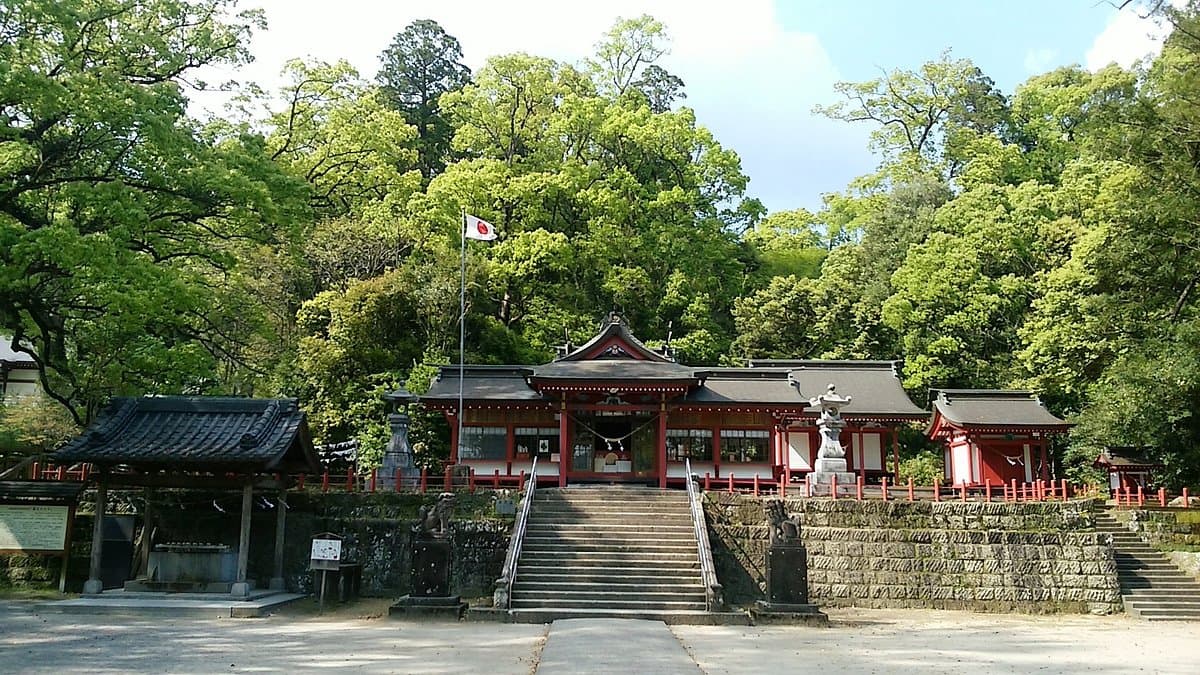
Kamo Hachiman Shrine is a historically significant Shinto shrine in Aira, Kagoshima Prefecture, primarily revered for its spiritual atmosphere and, more notably, for being the home of the Kamo no Okusu, often cited as the largest camphor tree in Japan. This ancient tree, estimated to be over 1,500 years old, is not just a natural wonder but also a deeply spiritual symbol, believed by locals to protect the village.
Visitors consistently praise the sheer size and mystical presence of the Kamo no Okusu. Many describe feeling a profound sense of awe and spiritual power emanating from the tree, with some noting its hollow interior, though access inside is restricted. Reviewers often highlight the serene and peaceful ambiance of the shrine grounds, making it a pleasant place for quiet contemplation. Beyond the main attraction, some visitors also appreciate the other large, old trees on the approach to the shrine and the traditional Japanese architecture of the worship hall.
To fully appreciate the Kamo no Okusu and the shrine, visitors should allocate about 1-2 hours. The best time to visit is during daylight hours to fully experience the natural beauty. There are no specific items to bring, but comfortable walking shoes are advisable for exploring the grounds. Some reviewers mention the availability of Japanese ceremonial tea at the shrine, offering a cultural experience.
The shrine is accessible by car, with a parking lot available at the Gamo Tourist Exchange Center, from where it's a short walk to the shrine. This makes it a convenient stop for those touring the Kagoshima Prefecture by vehicle. Public transport options are less frequently mentioned in reviews, suggesting driving is the most straightforward method of access.
Common complaints are few, but some visitors might find the shrine less impressive if they are not particularly interested in trees or traditional Japanese shrines. However, the overwhelming sentiment is positive, with many expressing surprise and delight at discovering this hidden gem.