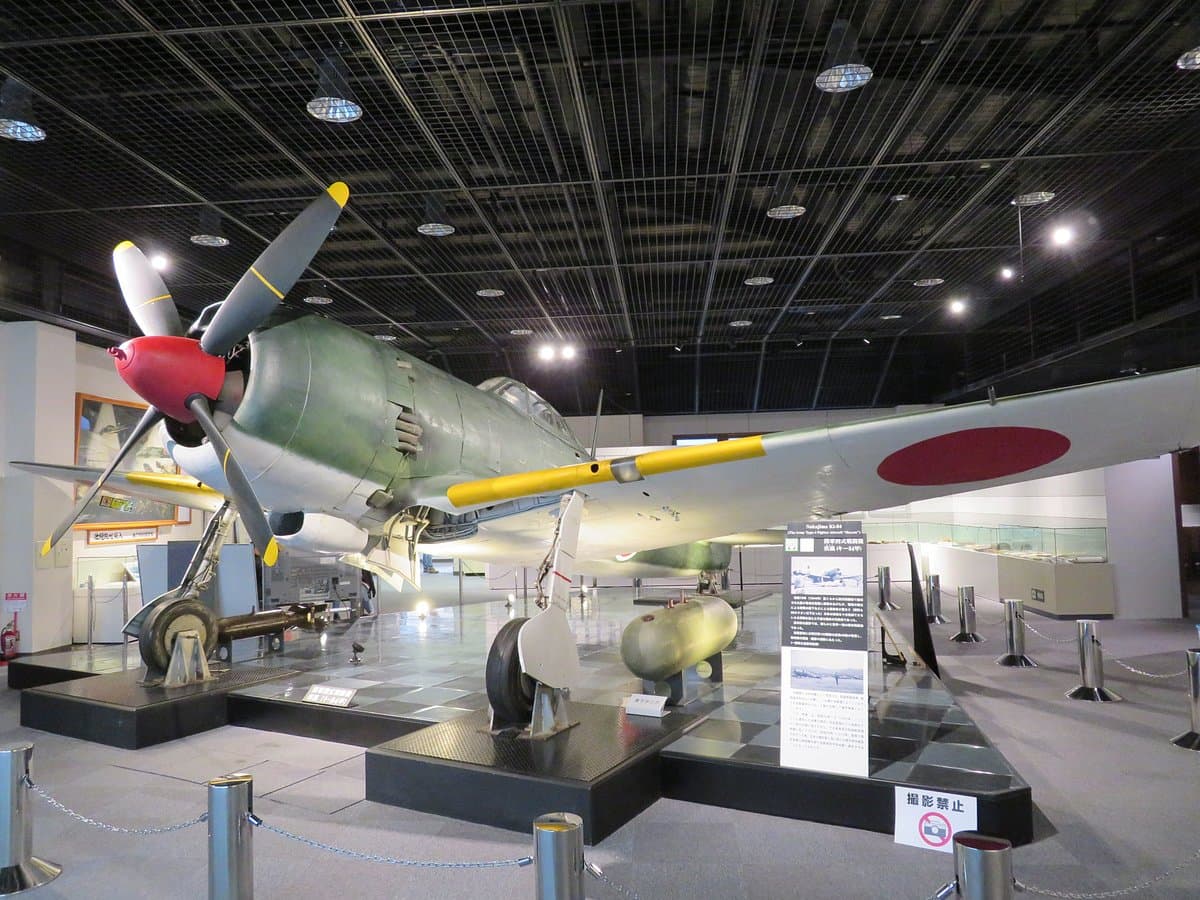
The Chiran Peace Museum, located on the former Chiran Air Base, serves as a powerful memorial to the young Kamikaze pilots who departed from this site during the final months of WWII. It is not merely a war museum but a 'peace museum' that aims to convey the tragedy of war through the personal stories of these pilots, many of whom were barely out of their teens. The museum's significance lies in its focus on the individual human cost, providing a unique Japanese perspective on this controversial chapter of history.
Visitors consistently praise the museum for its deeply moving and emotional impact. The core of the experience revolves around the display of thousands of photographs, last letters, wills, and personal belongings of the pilots. Reviewers frequently describe reading these heartfelt farewells to families as 'heartbreaking' and 'tearful,' fostering a profound sense of empathy. The museum is noted for not glorifying war but rather emphasizing the tragic waste of young lives, prompting visitors to reflect on the value of peace. Many find the personal narratives more impactful than broader historical accounts, with some noting it had a deeper effect than other peace museums.
To make the most of your visit, it is highly recommended to rent an audio guide, available in English and other languages, for a small fee (around 200 JPY). While some exhibits have English translations, many important documents, especially the letters, are primarily in Japanese, making the audio guide crucial for a comprehensive understanding. Visitors suggest allocating at least 2-3 hours to fully absorb the exhibits and personal stories; some even recommend a half-day. It's advisable to visit with an open mind, as the museum presents a specific perspective that may differ from Western narratives. Be prepared for an emotional experience, and consider combining your visit with the nearby Chiran Samurai Gardens for a contrasting cultural insight.
The museum is accessible by public bus from Kagoshima Chuo Station. Reviewers mention taking a local bus from bus stop 16, with the journey costing around 940-1140 JPY and taking approximately 80 minutes to 1.5 hours. The bus often stops directly in front of the museum or within a short walking distance. For those with a Kyushu Rail Pass, some suggest getting off at Hirakawa station and then taking a bus, though the direct bus from Kagoshima Chuo is generally preferred for its simplicity. Taxis are also an option, especially for groups, with some visitors reporting fares around 18,000 JPY for a half-day tour including the Samurai Gardens. Driving is also possible, and the area is noted for its scenic routes.
A common complaint among non-Japanese speakers is the limited amount of English translation for many exhibits, particularly the crucial letters. This can lead to a less engaging experience without an audio guide. To mitigate this, ensure you rent an audio guide upon arrival. Some visitors also express mixed feelings about the museum's portrayal, perceiving a potential for glorification or a lack of clear condemnation of the war. It's important to approach the museum as a memorial focusing on the pilots' personal sacrifices rather than a comprehensive political analysis of the war.