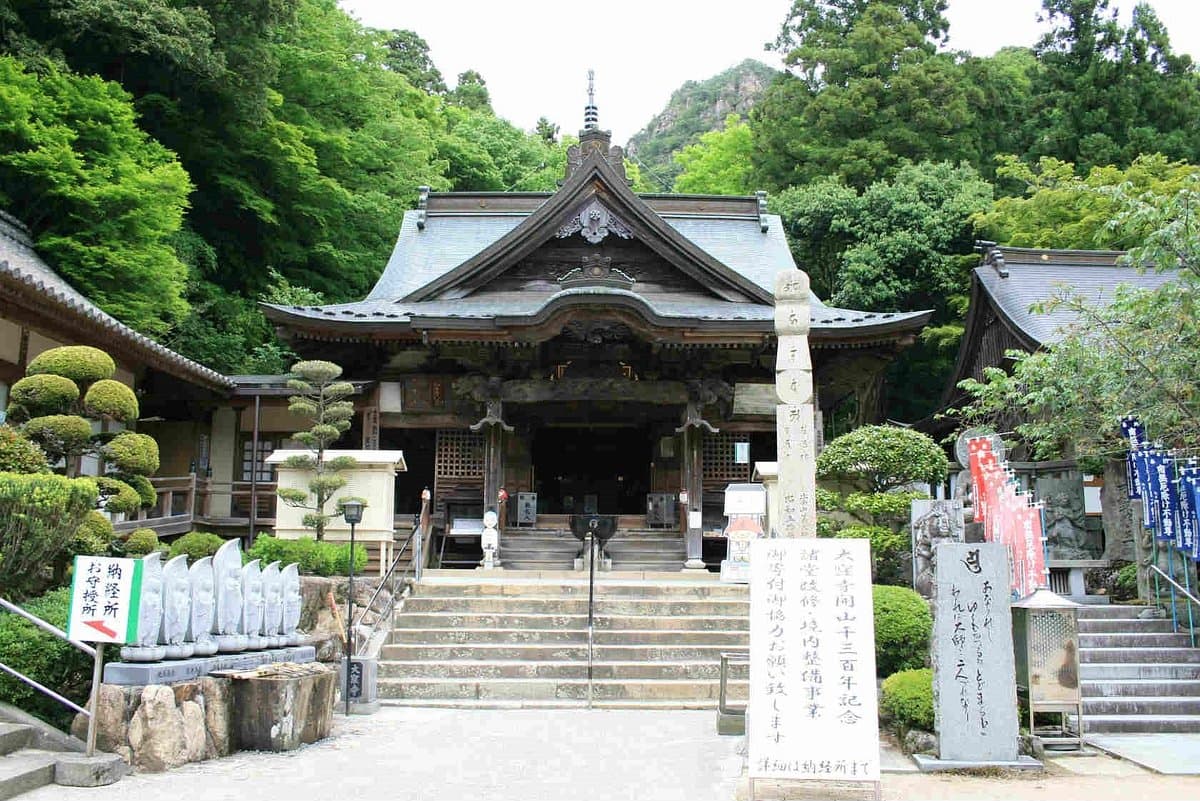
Okuboji Temple holds immense significance as the 88th and final temple of the Shikoku Pilgrimage, a revered journey that circles the island of Shikoku. For pilgrims, it represents the successful completion of a spiritual quest, a moment of profound reflection and achievement. Even for those not undertaking the full pilgrimage, the temple offers a glimpse into this deep-rooted Japanese tradition and the spiritual dedication it entails.
Visitors consistently praise the temple's serene and astonishing beauty, noting its fitting role as the pilgrimage's conclusion. A particularly striking feature highlighted by reviewers is the collection of hundreds of offerings left by pilgrims, most notably the staffs used during their journey. This visual testament to countless completed pilgrimages creates a powerful and moving atmosphere, allowing visitors to feel connected to the spiritual history of the site. Reviewers suggest that even if one has not visited the other 87 temples, Okuboji is still well worth experiencing for its unique ambiance and cultural importance.
To fully appreciate the temple, visitors should allocate at least an hour to explore the grounds and observe the offerings. There is no specific best time of day mentioned, but a visit during daylight hours is recommended to see the details of the offerings. Consider bringing a small offering or a notebook to reflect on the experience, as many pilgrims leave their staffs or other mementos. While the temple is a spiritual site, there are no strict dress codes mentioned, but respectful attire is always appropriate.
Okuboji Temple is located at 98 Tawa, Sanuki, Kagawa Prefecture. Public transport options to this more remote location are limited, and driving is often the most convenient way to reach it. Visitors should plan their route in advance, as the temple is situated in a mountainous area. Parking facilities are available on site.
No significant common complaints are noted in reviews, suggesting a generally positive visitor experience. The main consideration for visitors is the temple's somewhat remote location, which requires planning for transportation. However, the journey to reach it is often considered part of the experience, leading to a sense of tranquility upon arrival.