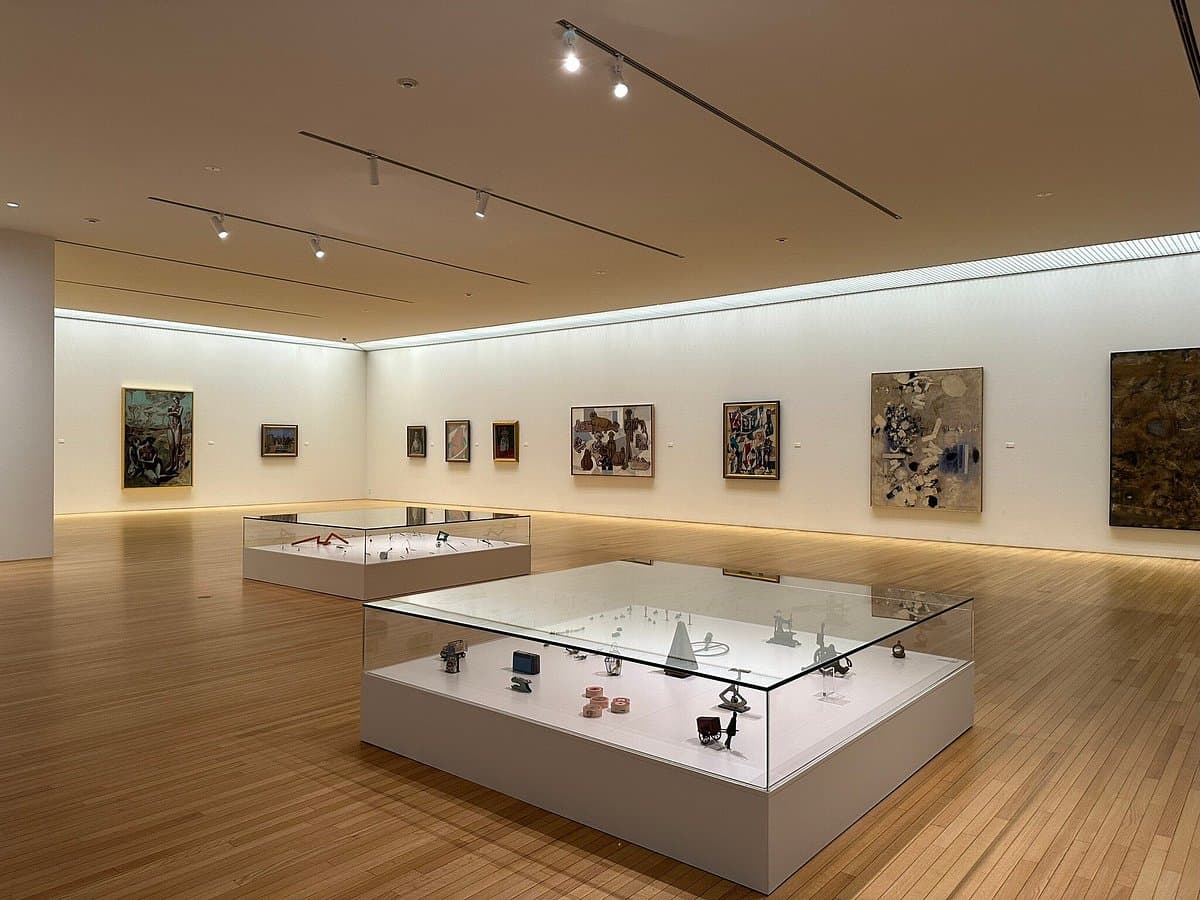
The Marugame Genichiro-Inokuma Museum of Contemporary Art (MIMOCA) is a significant cultural institution dedicated primarily to the works of the Japanese artist Genichiro Inokuma. It serves as a testament to his artistic journey, showcasing how his style evolved throughout his life and in response to his various residences. Beyond the permanent collection, the museum regularly hosts special exhibitions featuring other contemporary artists, providing a dynamic and ever-changing experience for visitors.
Visitors consistently praise the museum's modern and spacious architecture, often describing the building itself as a work of art. Many find it fascinating to observe the progression of Inokuma's art, noting the variety and evolution in his paintings. The temporary exhibitions also receive positive feedback, with some reviewers highlighting them as particularly engaging and vibrant. The museum's location directly adjacent to Marugame Station is frequently cited as a major convenience, making it exceptionally easy to access.
For a fulfilling visit, allocate approximately 1 to 2 hours to explore both the permanent collection and any special exhibitions. While some visitors suggest an hour might be sufficient for the permanent collection alone, allowing more time ensures a relaxed experience. The museum is generally not crowded, offering a peaceful environment for art appreciation. Consider visiting during the day to fully appreciate the natural light within the building. There is a nice terrace mentioned by some visitors, which could be a pleasant spot for a short break.
The museum's accessibility is a significant advantage. It is located directly in front of JR Marugame Station, making it easily reachable by train. For those arriving by car, underground parking is available opposite the museum, with some reviewers noting that the first hour of parking might be free, which is often sufficient for viewing the permanent exhibition. The prominent yellow sculpture outside the museum serves as an easy landmark.
One minor point raised by a visitor concerned the level of supervision, feeling that staff were overly attentive. While this is an isolated comment, visitors who prefer a less observed experience might be aware of this. However, the overall sentiment regarding staff is generally positive, focusing on their professionalism in maintaining the exhibits.