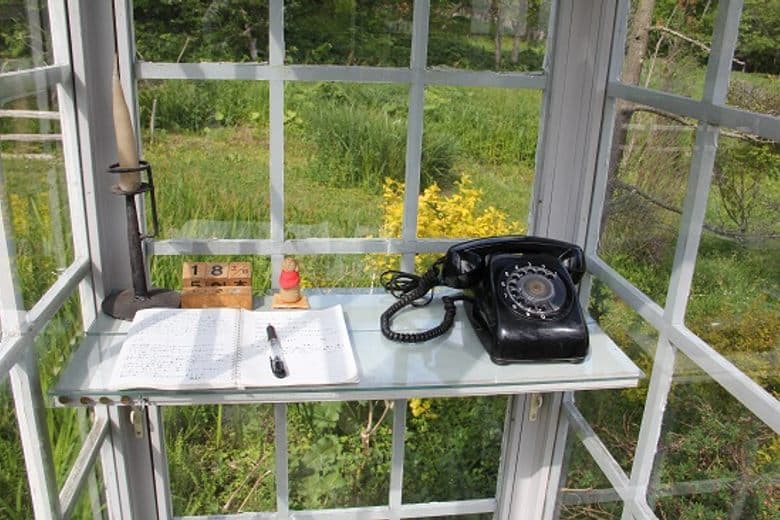
The Wind Telephone, or Kaze no Denwa, is a glass-paneled phone booth housing a disconnected rotary phone, situated in a hilltop garden in Otsuchi, Japan. It was created by Itaru Sasaki in 2010 as a personal way to cope with the grief of losing his cousin. Following the devastating 2011 earthquake and tsunami, which claimed 10% of Otsuchi's population, Sasaki opened his private sanctuary to the public. It quickly became a profound symbol of solace and healing for thousands across Japan who had lost loved ones in the disaster, offering a unique, one-way communication channel to express unspoken feelings and find comfort.
Visitors consistently describe the experience as deeply moving and cathartic. Many appreciate the quiet, respectful atmosphere and the opportunity to process grief in a tangible way. Reviewers often mention the profound sense of connection they feel, even though the phone is not connected. The site is praised for its simple yet powerful concept, providing a space for reflection and remembrance. Some visitors note the emotional intensity of the experience, advising others to prepare for a potentially tearful visit.
To make the most of your visit, it is recommended to allocate at least an hour to allow for quiet contemplation and to fully absorb the atmosphere. There is no specific best time of day, as the experience is personal, but arriving during daylight hours is advisable for visibility and ease of access. Visitors should bring tissues, as the experience can be very emotional. It is crucial to approach the site with respect and maintain a quiet demeanor, as others will also be engaging in personal moments of remembrance. There are no facilities or shops directly at the site, so bring any water or snacks you might need.
Otsuchi can be reached from Tokyo by high-speed train. Take the train to Otsuchi Station. The Wind Telephone is located just outside the city, north of Dai Chiwari 11, but not as far north as Dai Chiwari 12, on the land side of the railway line. For those driving, the journey from Tokyo takes approximately 7 hours via the Tohoku Expressway. Using GPS with the published coordinates (39.386047, 141.931528) is highly recommended for precise navigation, as the location can be a bit subtle to find.
A common concern mentioned by visitors is the difficulty in locating the exact spot without precise directions or GPS. The site is intentionally understated, which adds to its solemnity but can be challenging for first-time visitors. To mitigate this, ensure your GPS is active and follow the coordinates closely. Another point to consider is the emotional toll; some visitors are surprised by the intensity of their feelings. It is advisable to visit with an open heart and allow yourself to experience the emotions that arise.