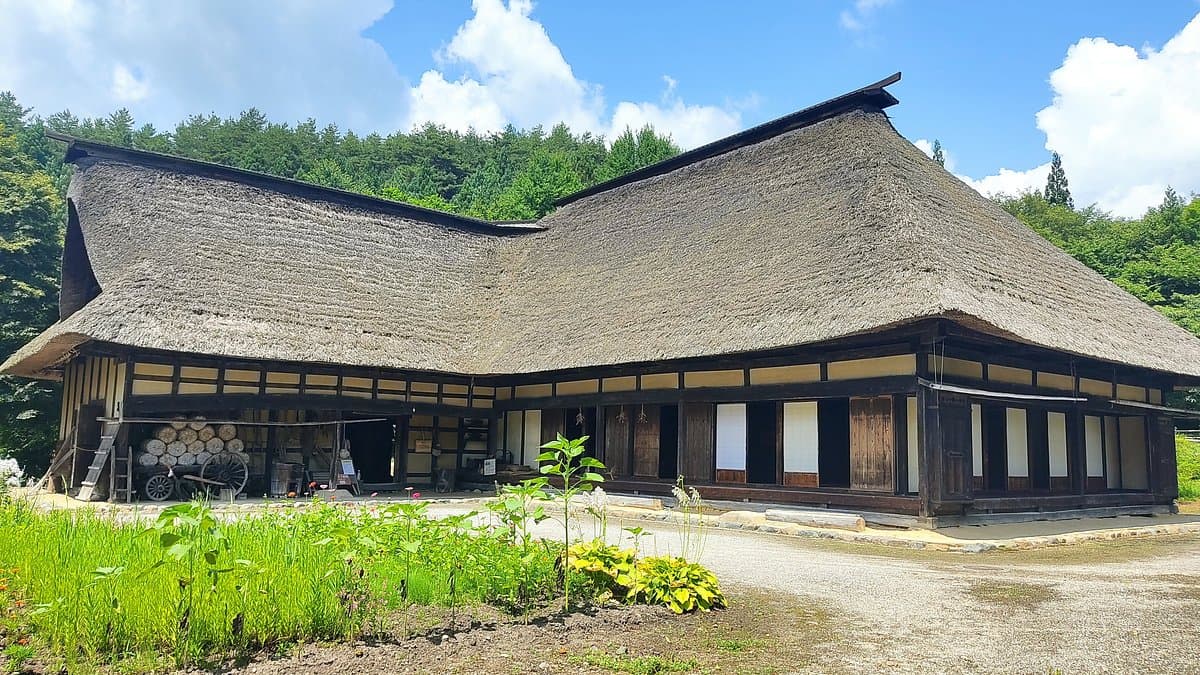
Tono Furusatomura is a meticulously reconstructed village that serves as an open-air museum, preserving and showcasing the traditional rural lifestyle of the Tono region from approximately 150 years ago. It features a collection of authentic farm buildings, including spacious living rooms and structures where horses were historically reared, offering a tangible connection to Japan's agricultural past. The village is set amidst a beautiful pastoral landscape, providing a serene backdrop for exploration.
Visitors consistently praise the historical depth and the immersive experience offered. Many appreciate the opportunity to explore the interiors of old farmhouses, some even allowing access to upper floors. The availability of English pamphlets and maps is frequently highlighted as helpful for non-Japanese speakers, though some note that a guide who understands Japanese can significantly enhance the experience, especially for understanding the nuances of the craft workshops. The beautiful natural scenery and the chance to interact with animals, such as petting horses, are also popular aspects.
To fully appreciate Tono Furusatomura, visitors should allocate at least 1.5 to 2 hours, with some suggesting more time if workshops or a leisurely stroll are desired. Reviewers recommend wearing comfortable shoes as the village is spread over a large outdoor area. Bringing a picnic is an option to enjoy the scenic surroundings, though there is also a restaurant and a shop selling ice cream and local souvenirs like pottery, Tono beer, and doburoku sake. It's advisable to visit during pleasant weather to best enjoy the outdoor setting.
Reaching Tono Furusatomura typically requires a car, as it is noted to be quite a distance from Morioka and situated in the heart of the Japanese countryside. Public transport options are not frequently mentioned in reviews, suggesting that driving or arranging private transport is the most convenient way to access the site. The address is 5-89-1 Tsukimoshichokamitsukimoshi, Tono, Iwate Prefecture.
A common sentiment among visitors is the desire for more time to explore due to the sheer amount of historical detail and the expansive grounds. To mitigate this, plan your visit with ample time and prioritize which farmhouses or activities you wish to focus on. While English pamphlets are available, those seeking deeper insights into the cultural context might consider hiring a local guide or utilizing translation apps to engage more fully with staff who may primarily speak Japanese.