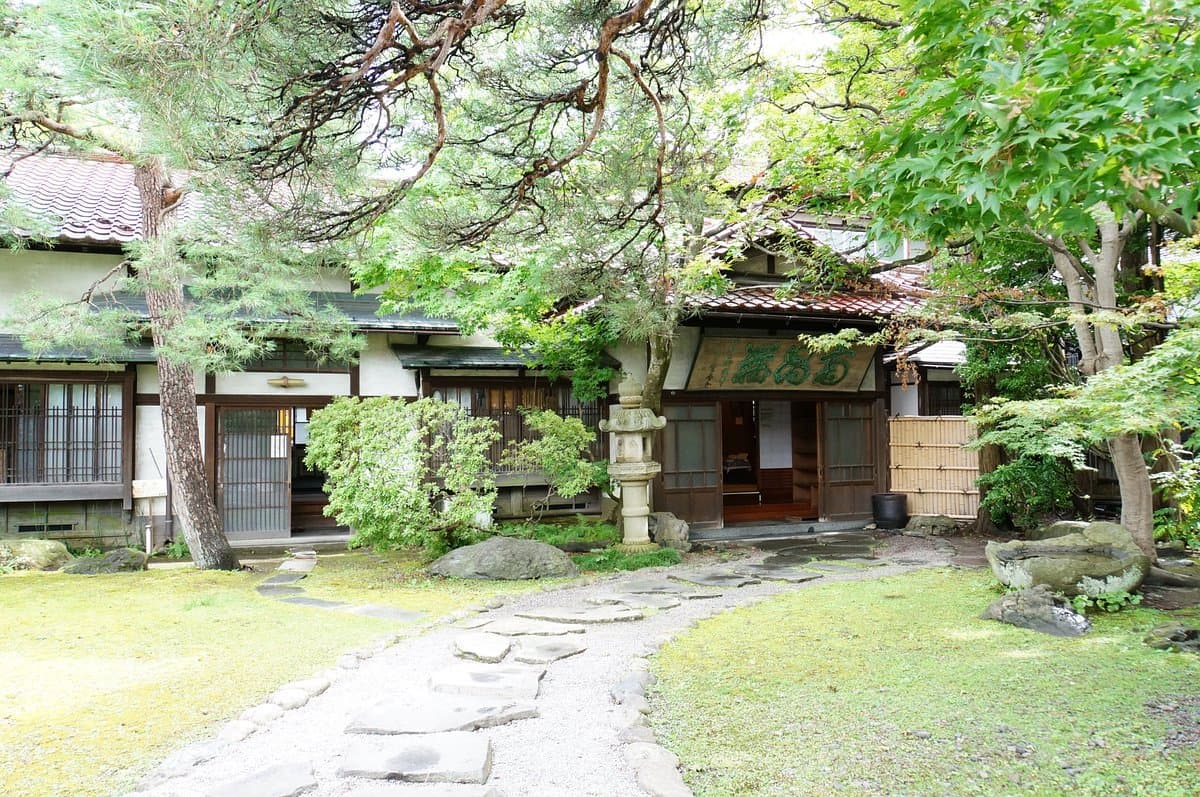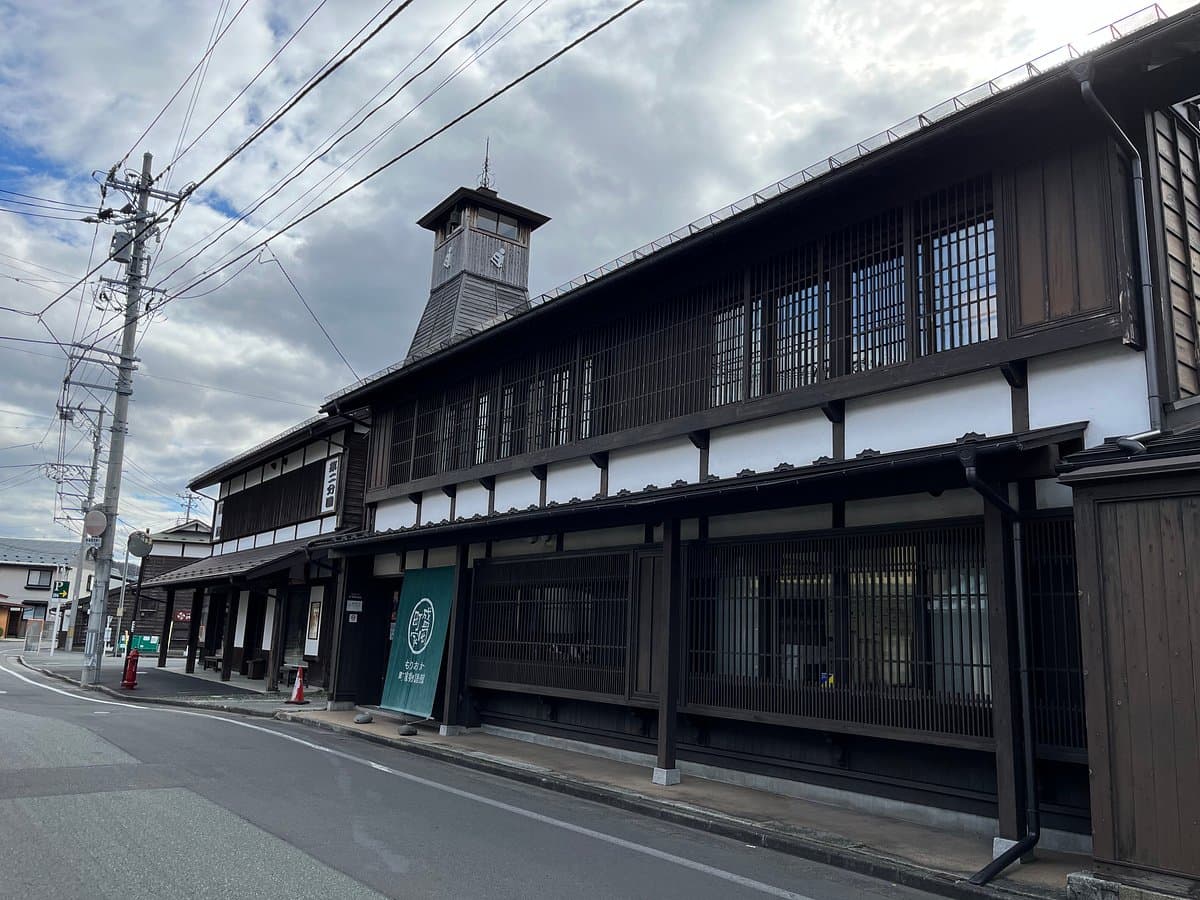
The House of Morioka Town, or Morioka Machiya, is a preserved example of a traditional Japanese merchant and craftsman residence. These buildings were designed to integrate both living spaces and workplaces, a common feature in historical Japanese urban centers. Its significance lies in showcasing the architectural ingenuity and lifestyle of past residents in Morioka.
Visitors often appreciate the opportunity to see such a historical structure still standing in a modern downtown area. Reviewers highlight the unique architectural elements, particularly the 'tokoi' room, which was a distinctive feature of Morioka Machiya. Another point of interest for many is the ingenious local water system, which utilized a 'trickle down' method for various uses, from drinking to less critical tasks. Some visitors have noted the exceptional quality of the local water, which is still used by residents and even local sake breweries.
For a visit, a brief stop of 15-30 minutes is generally sufficient to appreciate the exterior and the historical context. It is best visited during daylight hours to fully observe the architectural details. There is no entry fee, making it an accessible historical point of interest. Bringing a reusable water bottle might be a good idea, as some visitors mention the opportunity to taste the local water, which is highly praised.
The House of Morioka Town is located at 3-15, Tayacho, Morioka. It is situated in the downtown area, making it accessible by public transport or on foot if you are exploring the city center. Specific bus lines or train stations are not frequently mentioned in reviews, but its central location suggests it is within reasonable walking distance from major city points.
Common complaints are not explicitly detailed in reviews, but visitors should manage expectations regarding the size and interactive elements of the site. It is primarily an exterior observation point rather than a museum with extensive exhibits. Those expecting a large, immersive experience might find it less engaging, but for those interested in local history and architecture, it offers a valuable, albeit brief, insight.