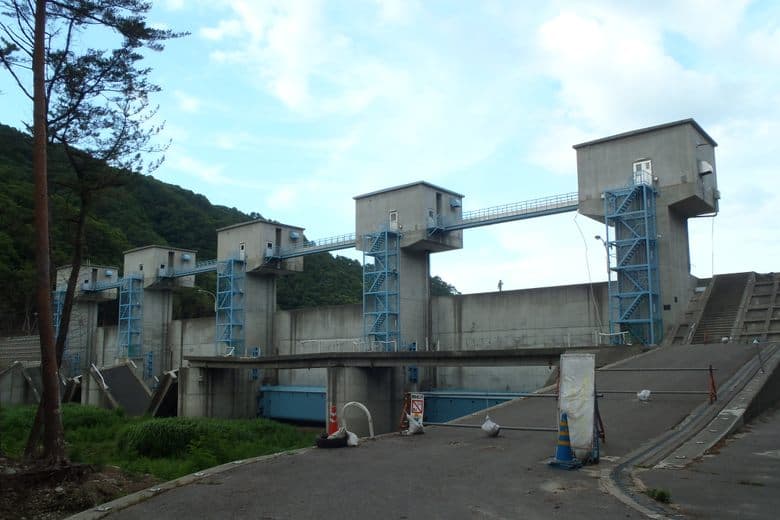
The Fudai Floodgate, constructed between 1972 and 1984, is a monumental engineering achievement born from the unwavering vision of former mayor Kotoku Wamura. Driven by the tragic memories of past tsunamis, Wamura insisted on building this 51-foot high floodgate, despite initial local opposition and ridicule over its immense cost and scale. Its true significance became tragically clear during the 2011 Tōhoku Tsunami, when the floodgate, along with a 66-foot seawall, successfully protected Fudai from the catastrophic waves that devastated much of Japan's northeast coast, turning it from a 'pork-barrel' project into a 'miracle floodgate' that saved countless lives.
Visitors consistently praise the floodgate not just as an impressive structure, but as a poignant symbol of human resilience and the importance of long-term planning. Many find the story behind its construction and its role in the 2011 tsunami deeply moving and thought-provoking. Reviewers often highlight the sense of awe and respect they feel for Mayor Wamura's foresight. While the floodgate itself is the main attraction, the surrounding area offers a quiet, reflective atmosphere, allowing for contemplation on the power of nature and human ingenuity.
For a meaningful visit, allocate about 1 to 2 hours to explore the floodgate and its immediate surroundings, including the memorial to Mayor Wamura. The best time to visit is during daylight hours, allowing for clear views and photography. There are no specific items to bring, but comfortable walking shoes are advisable. Visitors should be prepared for an outdoor experience, as there are limited indoor facilities directly at the floodgate.
Reaching the Fudai Floodgate typically involves a combination of train and local transport. The nearest train station is Fudai Station on the Sanriku Railway Rias Line. From the station, the floodgate is a short taxi ride or a moderate walk. Public bus services might be limited, so checking local schedules in advance is recommended. For those driving, there is usually parking available near the site. The journey offers scenic views of the coastal region, adding to the overall experience.
Common complaints are rare, but some visitors note the remote location and the limited amenities directly at the site. To mitigate this, it's advisable to plan your visit with sufficient time for travel and to bring any necessary refreshments. The focus here is on the historical and engineering significance, so those expecting extensive tourist facilities might find it simpler than anticipated.