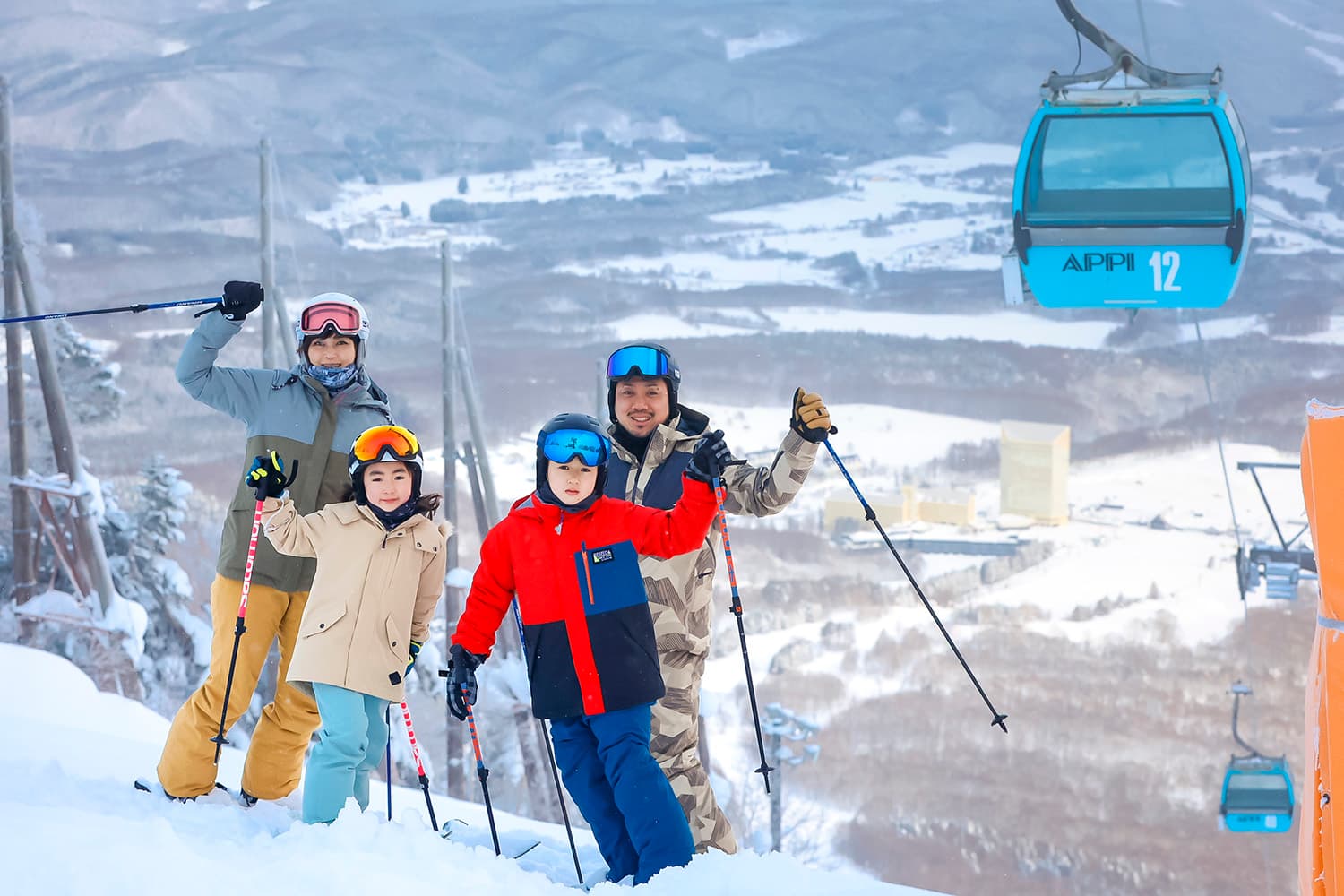
Appi Kogen Ski Resort is one of Japan's premier ski destinations, renowned for its long, wide runs and exceptional powder snow, often referred to as 'aspirin snow' due to its low water content. Located in Iwate Prefecture, it stands out for its extensive terrain, which includes 21 runs with an average length of 2.1 kilometers, some extending up to 5.5 kilometers. This makes it comparable to larger ski resorts found in Europe and North America, offering a distinct experience within Japan.
Visitors consistently praise the resort for its uncrowded slopes, even on weekends, allowing for fresh tracks well into the afternoon. The snow quality is a major draw, with many highlighting the deep, soft powder that makes for excellent skiing and snowboarding. Reviewers frequently mention the comprehensive facilities, including a large food court, various restaurants, and well-equipped ski rental shops. The availability of English-speaking staff and ski instructors is also a recurring positive point, making it accessible for international visitors. Many appreciate the convenience of the ski-in/ski-out accommodation options and the added benefit of onsen (hot springs) for relaxation after a day on the slopes.
For a fulfilling visit, plan to spend at least 2-3 days to fully explore the resort's extensive runs. Arriving early in the morning is recommended to maximize time on the slopes, especially if you aim for fresh powder. Bringing your own gear can save on rental costs, though the resort's rental services are noted for their quality. Consider purchasing a multi-day pass for better value. Visitors suggest having an early dinner before the food courts close, as à la carte restaurant prices can be high. Don't miss the night skiing events, which many find to be a unique and enjoyable experience.
Getting to Appi Kogen requires a bit of travel, but it's manageable. Many visitors take the Shinkansen (bullet train) to Morioka Station. From Morioka, there's a bus service directly to the resort, which takes approximately one hour. Reviewers note that bus schedules can be limited, so planning ahead is crucial. Some accommodations offer free pick-up services from the slopes, which can be very convenient. While driving offers flexibility, public transport is a viable and often preferred option for many, especially with the JR East Tohoku train pass making the Morioka leg more economical.
A common complaint among some visitors relates to lift operations, with reports of gondolas and chairlifts stopping due to wind or mechanical issues, which can limit access to the upper mountain. Some also mention that while the resort is large by Japanese standards, the variety of runs might feel limited for very experienced skiers staying for more than three days. To mitigate these issues, check the lift status before heading out, especially on windy days. For those seeking off-piste or side-country skiing, be aware that resort policies regarding hiking up certain areas (like Mt. Nishimori) can change, and passes might be revoked, so always check current regulations at the resort center.