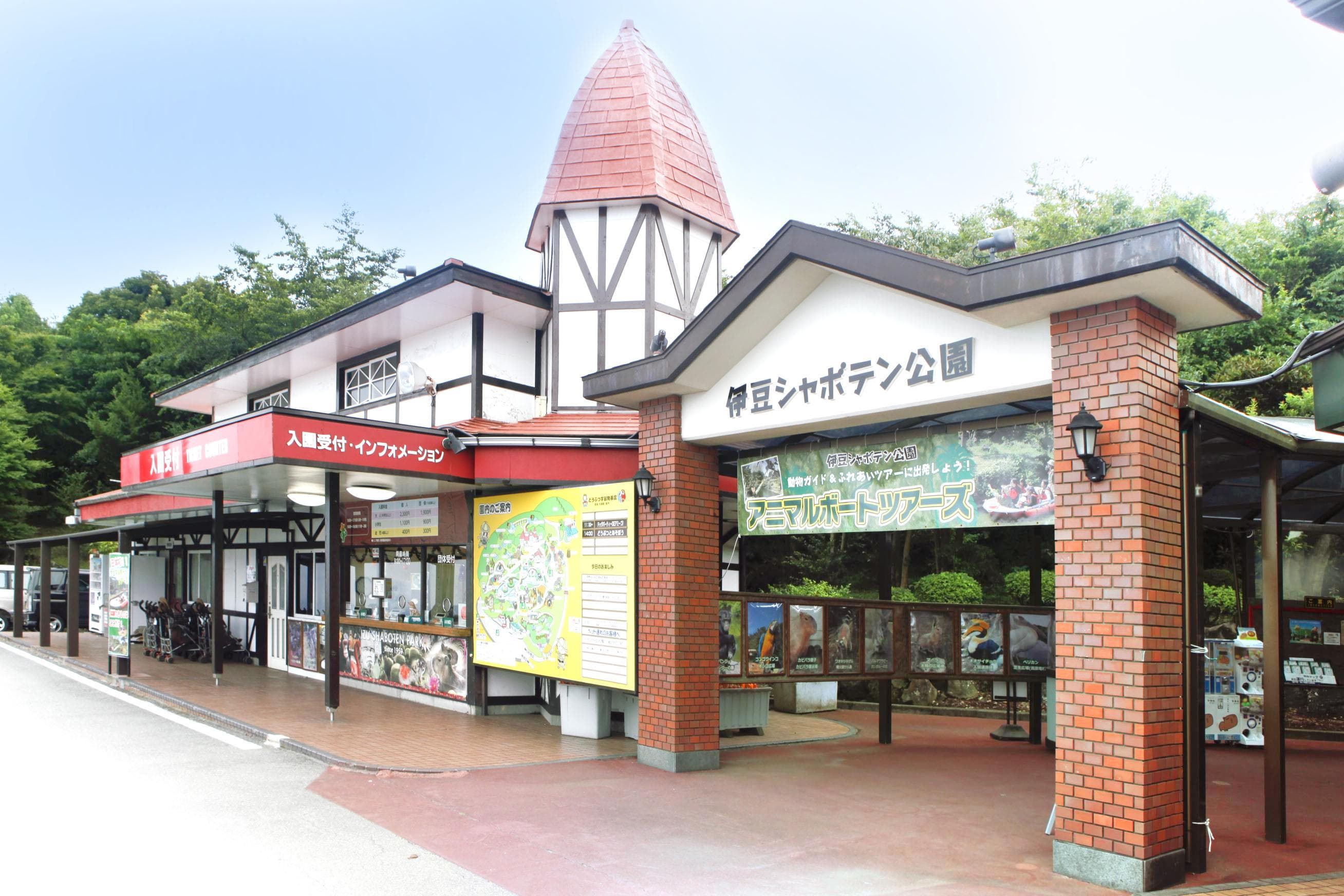
Izu Shaboten Park is a distinctive attraction that combines a zoo with a vast botanical garden, specializing in cacti and succulents. It stands out for its emphasis on close-up animal encounters, allowing visitors to interact with many species in a more open environment than traditional zoos. The park is particularly famous for its capybaras, especially during the winter months when they can be observed bathing in hot springs, a tradition that originated here.
Visitors frequently highlight the unique opportunity to feed and pet various animals, including capybaras, squirrel monkeys, and peacocks that roam freely. Many describe the experience as highly interactive and engaging, often spending several hours enjoying the animal shows and feeding sessions. The park's collection of over 1,500 types of cacti and succulents, housed in impressive greenhouses, also receives positive remarks for its diversity and beauty. Families with young children find the park particularly suitable, noting the friendly design and ample opportunities for children to get close to animals.
To make the most of your visit, plan to spend 3-5 hours, especially if you wish to participate in animal feeding (which incurs an extra fee of 200-300 yen per feeding). Reviewers suggest arriving earlier in the day to avoid crowds and ensure you have enough time to explore. Bringing comfortable walking shoes is advisable, as the park is quite large and involves some uphill walking. Consider purchasing tickets online or looking for discount coupons, as some visitors mention savings compared to on-site prices. While there are restaurants within the park, some visitors recommend bringing snacks or a packed lunch to save money.
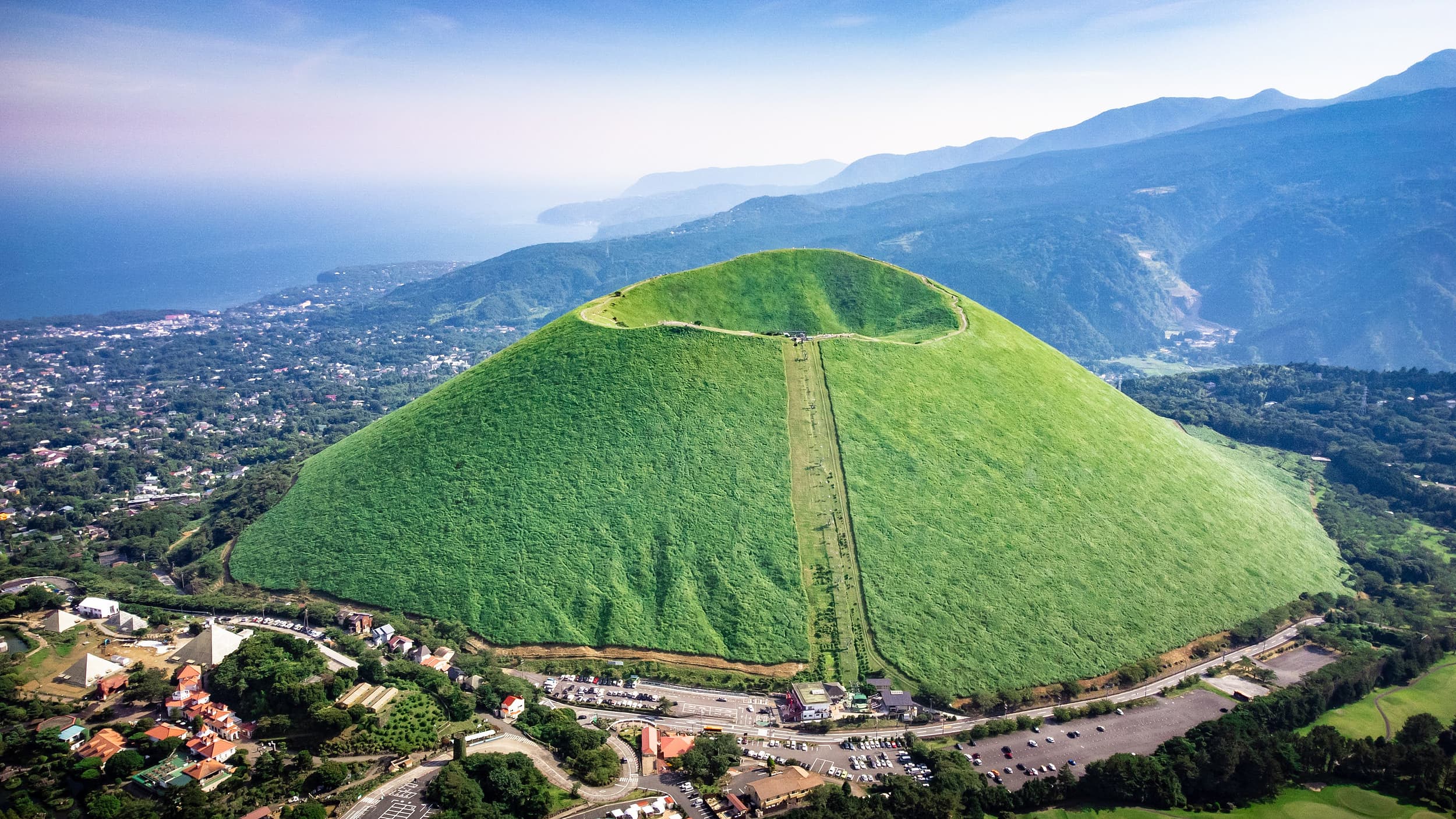
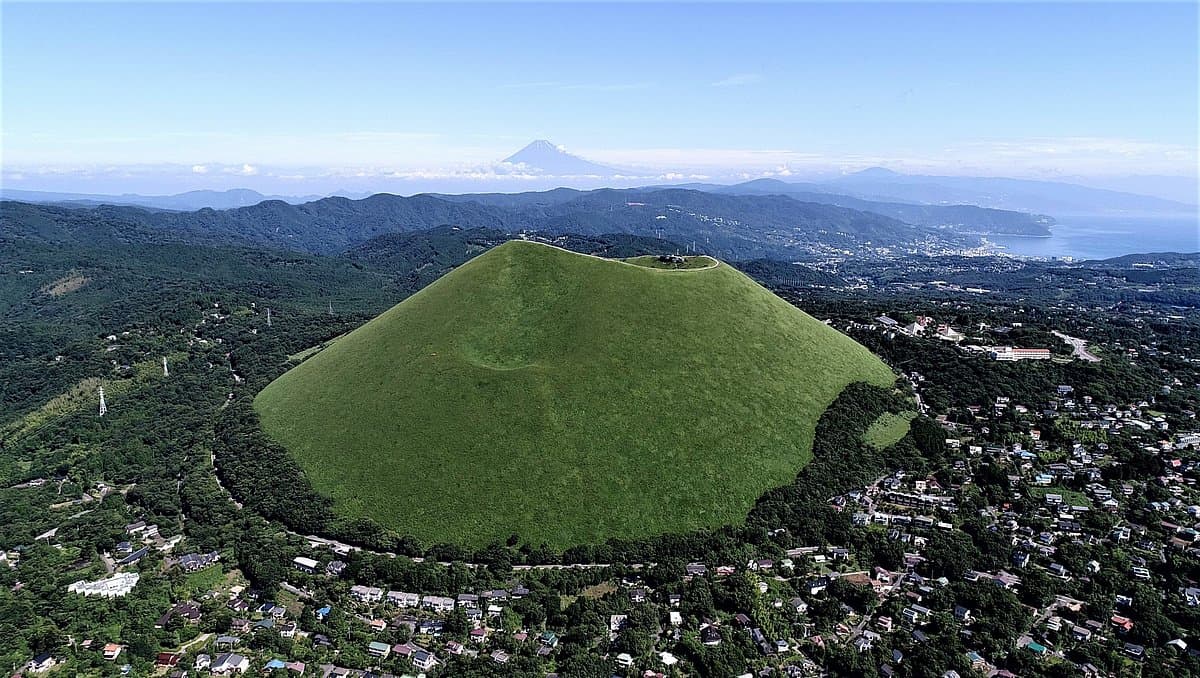
The park is conveniently located next to Mount Omuro, and many visitors recommend combining the two attractions. If using public transport, you can reach the park by Tokai Bus from Ito Station (approximately 35 minutes) or Ito Kogen Station (about 20 minutes). The bus stop is directly at the park entrance. If driving, parking is available for an additional fee (around 800 yen). Be aware that the entrance to the park from the bus stop involves a short uphill walk. On clear days, you might even catch a glimpse of Mount Fuji on the approach.
While the interactive nature is a major draw, some visitors express concerns about animal welfare, citing small enclosures for certain species like owls and chimpanzees, and the condition of some animals. The cost of admission (around 2700-2800 yen for adults) plus additional fees for feeding and boat rides can accumulate, leading some to feel it's pricey. To mitigate this, prioritize which animal interactions are most important to you and consider the combined ticket options if visiting Mount Omuro. The capybara hot spring event is seasonal (November to April), so check the schedule if this is a primary reason for your visit.