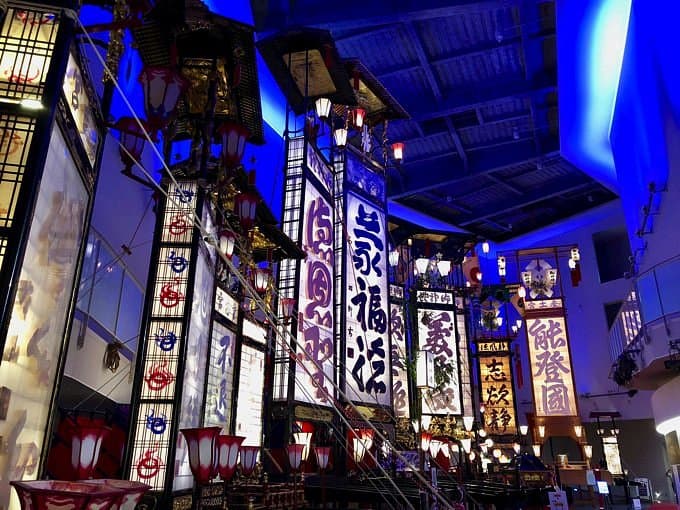
The Wajima Kiriko Art Museum is dedicated to preserving and showcasing the Kiriko lanterns, which are central to the vibrant summer festivals of the Noto Peninsula. These aren't just lanterns; they are massive, often multi-story floats made of wood, paper, and fabric, carried by dozens of people during lively processions. The museum provides a unique insight into a significant aspect of Japanese regional culture and the incredible craftsmanship involved.
Visitors consistently praise the impressive scale and intricate beauty of the Kiriko lanterns. Many describe their first impression upon entering the exhibition hall as 'wow,' highlighting the effective display and lighting that bring these huge artifacts to life. Reviewers frequently mention the video presentation, which, despite sometimes being in Japanese only, effectively conveys the energy and excitement of the festivals where these lanterns are used. This helps visitors understand the cultural context and the physical effort involved in carrying these massive structures. Some visitors also appreciate the modern design of the museum building itself, which enhances the viewing experience.
To make the most of your visit, plan to spend about an hour to an hour and a half. While there is limited English explanation, the visual impact of the lanterns and the festival video are largely self-explanatory. Consider visiting with a Japanese speaker if you wish for deeper understanding of the detailed explanations. The museum is often combined with a visit to the nearby Wajima Morning Market, making for a convenient half-day itinerary. Some visitors recommend attending the weekly free Taiko drumming performance if available, as it adds another layer of cultural immersion.
The museum is located at 6-1 Marine Town, Wajima, Ishikawa Prefecture. It has been relocated to a new site closer to Wajima's morning market, making it easily accessible for those exploring the town center. While specific public transport details are not frequently mentioned in reviews, its proximity to the morning market suggests it's within walking distance of central Wajima. For those traveling from further afield, such as Kanazawa, a full-day bus trip is a common way to reach Wajima and its attractions.
A common complaint among international visitors is the limited English information available for the detailed explanations. While the visual spectacle is undeniable, those seeking in-depth historical or cultural context might find themselves wishing for more translation. To mitigate this, consider using a translation app for any text you wish to understand, or simply focus on the visual grandeur and the immersive festival video.