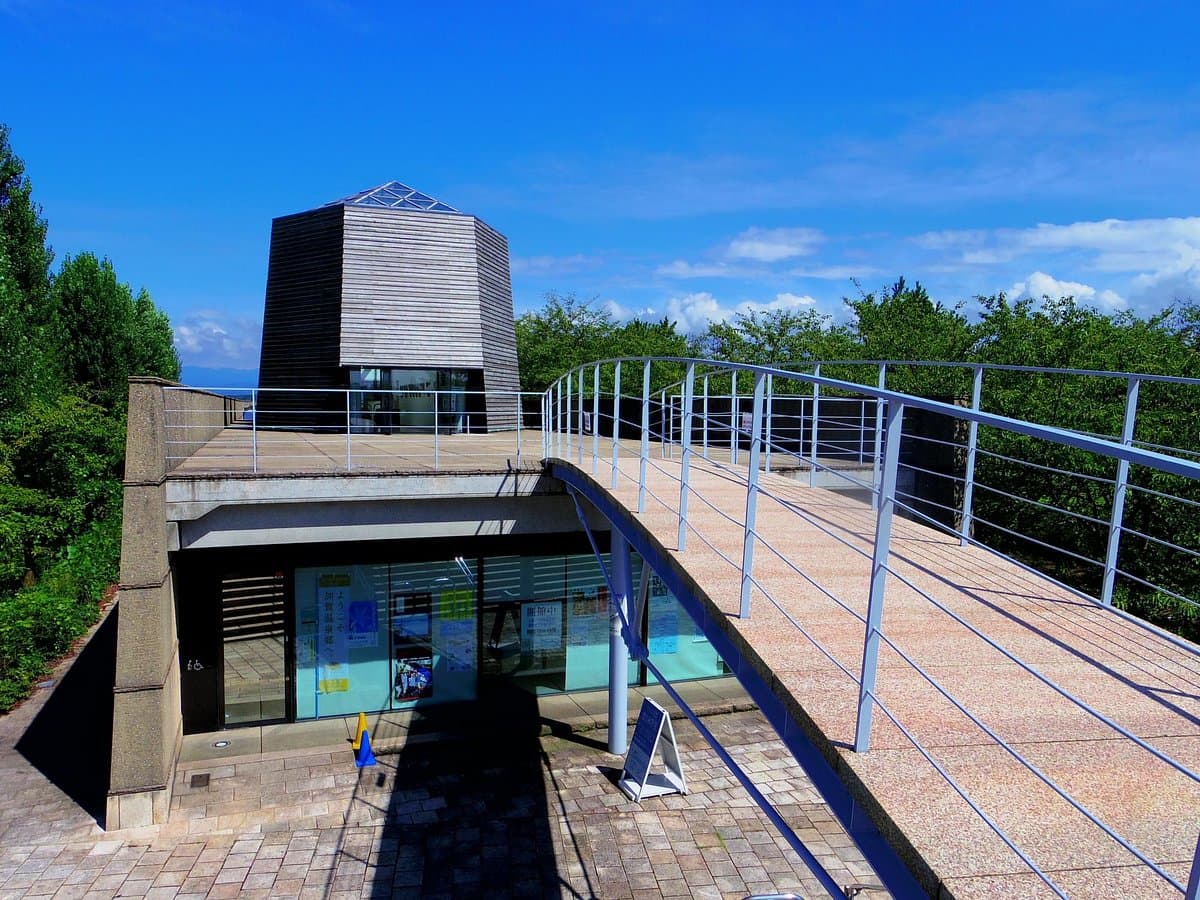
The Nakaya Ukichiro Museum of Snow and Ice is a unique institution dedicated to the life and work of Ukichiro Nakaya, a renowned Japanese physicist who was the first to create artificial snowflakes. Located near Katayamazu Onsen, the museum serves as an educational and engaging tribute to his scientific contributions, particularly in the field of glaciology and meteorology.
Visitors consistently praise the museum for its educational value and the beauty of its exhibits. Many highlight the stunning snowflake photographs and the interactive experiments, such as observing melting ice under a microscope, as particularly memorable. Reviewers often note that the museum provides a healthy and inspiring experience, showcasing the intricate creations of nature and human ingenuity. While some find the museum to be on the smaller side, most agree that the content is interesting and well-presented.
To make the most of your visit, plan for about 1 to 2 hours, though some visitors spend up to 2 hours exploring both indoor and outdoor exhibits. The museum is an excellent choice for a rainy day activity. While some English information is available, including an English pamphlet and subtitles for the main introductory movie, much of the detailed descriptions are in Japanese. Bringing a translation app or going with a Japanese-speaking guide can significantly enhance the experience. The entrance fee is 560 yen, with discounts available, such as a JAF discount for 460 yen. Free parking is available on site.
The museum is located in Kaga, Ishikawa Prefecture, specifically at I-106 Ushiozumachi. It is situated near Katayamazu Onsen, making it a convenient stop for those staying in the area. While specific public transport details are not frequently mentioned in reviews, its proximity to a well-known onsen town suggests accessibility by local bus services or taxi from nearby train stations. Driving is a viable option, given the availability of free parking.
A common complaint among non-Japanese speaking visitors is the language barrier for detailed explanations. To mitigate this, it is advisable to utilize translation tools or focus on the visual aspects and the limited English information provided. Despite this, many international visitors still find the experience worthwhile due to the universal appeal of the scientific concepts and the visual beauty of the exhibits.